
Vandaag of morgen in huis

Kwaliteit gegarandeerd

Welkomstaanbiedingen ontgrendelen: GRATIS bezorging | Tot 80% korting | Gratis 30 dagen JoyPlus-proefperiode
Download de app
Choosing the right wet food for your dog can feel like navigating a maze. The shelves are packed with cans, trays, and pouches, all promising the best for your four-legged friend. As a Joybuy Product Recommendation Officer, I'm here to help you see through the marketing hype and make a choice that suits both your dog and your budget. Let's explore the most common pitfalls and what you really need to look for.
Before you make a purchase, it's crucial to know what to watch out for. Many dog owners unknowingly fall into the same traps.
To avoid these traps, focus on a few key specifications. These will help you objectively assess the quality of wet dog food.
The foundation of good dog food is a clear, high-quality protein source. Look for the following on the label:
Not every dog needs a special diet, but for those with sensitivities, it can make a world of difference.
The packaging is more than just a container; it determines convenience and freshness.
Based on these criteria, we've selected a few products that cater to different needs and budgets.
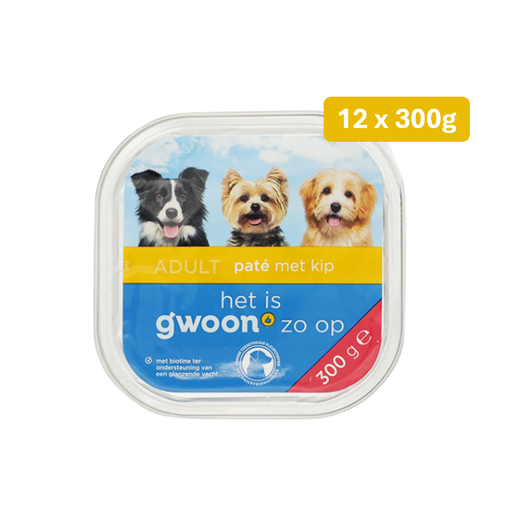
Why This Fits Their Persona: Seeks a nutritious, complete meal without the premium price tag. Multipacks like this offer excellent value for money and reduce the need for frequent shopping trips.
The ingredient list, while budget-friendly, specifies the protein source (chicken), providing more clarity than vague 'meat mixes'.
Comes in a value pack of 12, which lowers the cost per meal and is convenient for stocking up.
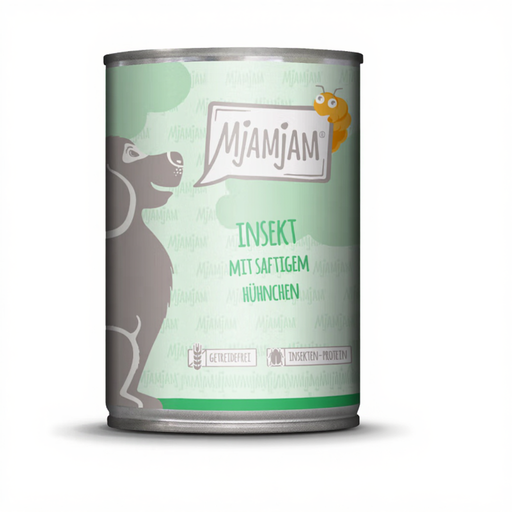
Why This Fits Their Persona: For owners actively seeking hypoallergenic wet dog food to manage allergies or intolerances. This owner reads labels carefully and invests in their dog's well-being.
This food tackles the vague-ingredient pitfall by using a novel, clearly named protein source (insect). It is also explicitly grain-free wet dog food, which excludes common allergens.
Uses insect as a sustainable and hypoallergenic protein source, combined with chicken. The formula is grain-free, gluten-free, and sugar-free.
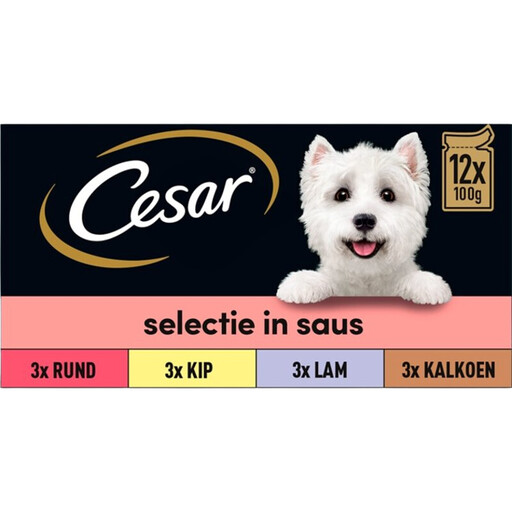
Why This Fits Their Persona: Has a small dog or one that gets bored with its food easily. Convenience and variety are key. Individual portions prevent waste and keep meals fresh.
Instead of opening a large canned dog food that might spoil, these single-serve packs provide just enough for one meal. The variety of flavours keeps things interesting for the dog.
Convenient, pre-portioned servings in various flavours. The meals are 100% complete and balanced, with no added sugars or artificial flavours.
We have compiled a complete, up-to-date list of products that meet these selection criteria and local regulations.
A sudden switch can cause gastrointestinal upset. Introduce the new wet food gradually over a period of 7 to 10 days. Start by mixing a small amount of wet food (about 25%) with their old kibble (75%). Every few days, increase the proportion of wet food until your dog has fully transitioned.
The required amount depends on your dog's weight, age, breed, and activity level. Always consult the feeding guide on the packaging as a starting point. Many owners opt for mixed feeding (a combination of wet and dry food) to get the benefits of both: the palatability and hydration from wet food, and the dental-cleaning action and cost-effectiveness of kibble.
Not necessarily. Grain-free food is primarily beneficial for dogs with a specific allergy or intolerance to grains. For most dogs, grains are a perfectly good source of carbohydrates and energy. If your dog doesn't have digestive issues or skin problems, there's no compelling reason to avoid grains entirely. A diet based on high-quality, named ingredients is generally more important than simply excluding grains.
