
Vandaag of morgen in huis

Kwaliteit gegarandeerd

Welkomstaanbiedingen ontgrendelen: GRATIS bezorging | Tot 80% korting | Gratis 30 dagen JoyPlus-proefperiode
Download de app
As a Joybuy Product Recommendation Officer, I see dog owners struggle daily with choosing the right wet food. The shelves are filled with packaging that makes lofty promises. But what is truly important for your dog? In this article, I'll help you see through the marketing jargon and make an informed choice, based on facts, not fads.
Before you make a choice, it's wise to consider a few common pitfalls:
To avoid making the wrong choice, it's better to focus on a few concrete specifications. These are always listed on the packaging and provide an objective view of the contents.
The ingredient list is arranged by weight; whatever is listed first is the most abundant. Look for a clear description of the protein source (e.g., "chicken" or "beef") instead of just "meat." Next, look at the analytical constituents:
adult wet dog food.The choice between dog food p?té, chunks in gravy, or jelly often depends on your dog's preference. P?té is easy to mix with kibble, while chunks in gravy are more appealing to some dogs. The packaging is a matter of convenience and budget:
Based on clear product features, we have selected a number of options that suit different needs and budgets.
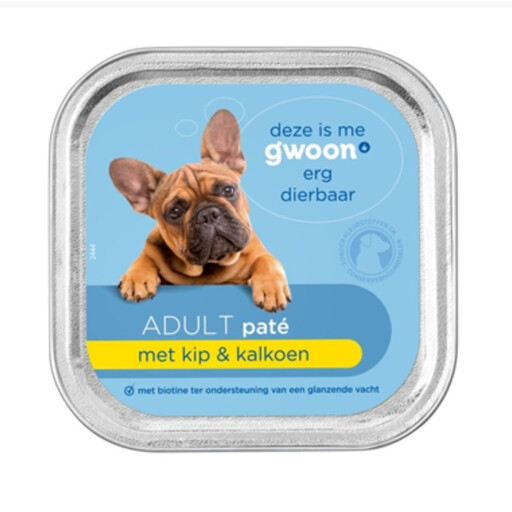
Why This Fits Their Persona: Ideal for owners seeking an affordable, complete, and reliable daily meal without the frills. The focus is on functionality and excellent value for money.
This product is clearly labelled as a complete food. It makes no expensive marketing claims about being "grain-free" and offers an honest, functional meal.
A complete meal for a competitive price. The p?té texture is easy to eat and mix. The 150g packaging is convenient for smaller dogs.
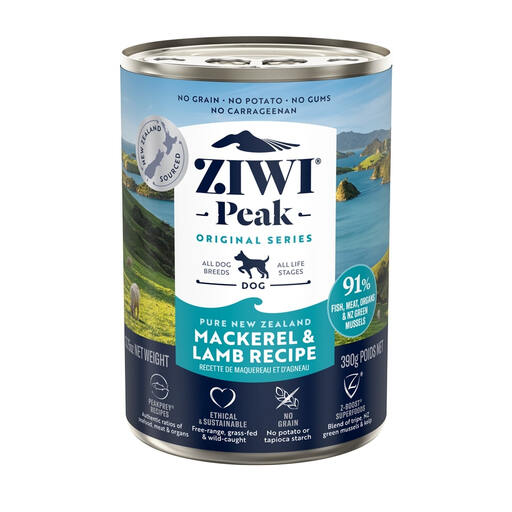
Why This Fits Their Persona: For the owner who invests in nutrition with high-quality, traceable ingredients. The focus is on a high meat and fish content and specific, natural additives.
The ingredient list is highly transparent and avoids vague terms. It specifies "wild-caught mackerel" and "grass-fed lamb," which completely bypasses the "4% meat" trap.
High content of animal proteins (11%) and fats (9%). Contains New Zealand Green Mussel, a natural source of glucosamine and chondroitin.
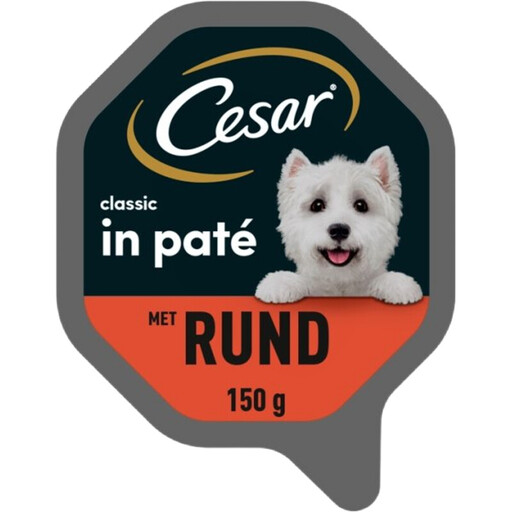
Why This Fits Their Persona: Perfect for those who want to treat their dog (often a smaller breed) with a tasty, well-known meal. The small portion and premium brand image make it an ideal treat or supplement.
Although it is a complete meal, the small packaging positions it as a special meal. This prevents it from being unintentionally fed as the sole food source for larger dogs.
A highly palatable p?té that even fussy eaters often appreciate. The convenient 150g single-serving package ensures freshness and prevents waste.
We have compiled a complete, up-to-date list of products that meet these selection criteria and current regulations, especially for dogs who love a meal with gravy.
1. How much wet food should I give my dog per day? This depends heavily on your dog's weight, age, and activity level. Another key factor is whether you combine the wet food with dry kibble. The feeding guidelines on the packaging are a good starting point. Observe your dog's weight and condition and adjust the amount as needed.
2. Is wet food better than dry food for a dog? Neither is inherently 'better'; they have different advantages. Wet dog food is highly palatable and contributes to your dog's hydration. Dry food is generally better for dental health, easier to store, and often more economical. Many owners opt for a combination of both to unite the benefits.
3. How long can wet dog food be kept after opening? Once opened, you should immediately refrigerate the remainder of the canned dog food or pouch, preferably in a sealed container to prevent it from drying out and to contain odours. Generally, it will be good for another 2 days. For the best taste experience, serve the food at room temperature.
