
Vandaag of morgen in huis

Kwaliteit gegarandeerd

Welkomstaanbiedingen ontgrendelen: GRATIS bezorging | Tot 80% korting | Gratis 30 dagen JoyPlus-proefperiode
Download de app
A cloth that soaks through quickly, smells unpleasant or falls apart after a few washes offers little benefit. With wet cleaning cloths, it's not just about the lowest price or the number of pieces in the pack. The material, the size and how you use the cloth determine whether a set suits your household.
As Joybuy's Product Recommendation Officer, I filter product information for practical points. This helps you see more clearly which sponge cloths, viscose cleaning cloths or reusable cleaning cloths match your daily cleaning routine.
A pack with lots of pieces may seem like good value, but first check whether they are reusable cloths or disposable wipes. A pack of 80 or 110 moist wipes is mainly intended for quick use and disposal. A cleaning cloth set of three or ten pieces, on the other hand, can be rinsed out and, depending on the material and washing instructions, used again.
So don't just compare the price per pack. Also look at:
The term absorbent cleaning cloths doesn't tell you exactly how much moisture a cloth can hold or how easily it can be wrung out. A thick sponge cloth may be suitable for spilled liquid, while a thin microfibre cloth dries faster and takes up less space.
According to some brands' own product information, certain cloths are described as highly absorbent or suitable for multiple surfaces. That is manufacturer product information and not a guarantee for every household. So also pay attention to the material and the care instructions.
A cloth you use on the worktop shouldn't also be used in the bathroom or toilet without washing it first. Ideally, choose different colours for different rooms. A set with multiple colours helps you keep kitchen cleaning cloths and bathroom cleaning cloths separate.
Also, don't use bleach or other cleaning products directly on a cloth if the packaging advises against it. For example, with the Cleany viscose sponge cloths, it states that you should rinse them thoroughly and not use them with undiluted bleach.
Viscose cleaning cloths and sponge cloths feel soft and are practical for washing up, worktops and general cleaning tasks. They are often easy to wring out when you don't use too much water.
Microfibre cloths are usually more versatile for smooth surfaces. The product information for some microfibre cloths mentions use on glass, stainless steel and other smooth materials. Use them dry for dust or slightly damp for stains and grease. Washable cloths are an alternative to disposable wipes, but always follow the recommended temperature and avoid fabric softener if it says so on the packaging.
A size of 18 x 20 cm sits comfortably in the hand. That's practical for the sink, taps, tiles and smaller kitchen surfaces. Larger dishcloths, for example around 30 x 30 cm or 35 x 38 cm, cover more surface area and are handy for tables, worktops and larger cleaning tasks.
A smaller cloth isn't automatically less useful. It often dries faster and takes up less space in the laundry basket. A large cloth can hold more moisture, but must be rinsed thoroughly and dried after use.
Rinse new cloths before first use according to the packaging. For various products, it is recommended to rinse them with warm water. Let a used cloth dry completely rather than leaving it scrunched up in the sink.
Also check:
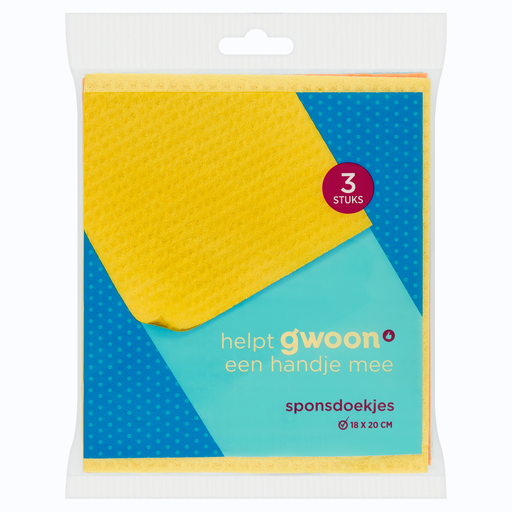
Why this fits the profile: A compact set for those who want to maintain their kitchen and bathroom with simple sponge cloths without buying a large stock straight away.
The quantity of 3 pieces is clearly stated. This means you don't buy a large pack when you first want to see which type of cloth suits your cleaning routine.
Set of 3; according to the product information, suitable for kitchen and bathroom; rinse with warm water before first use.
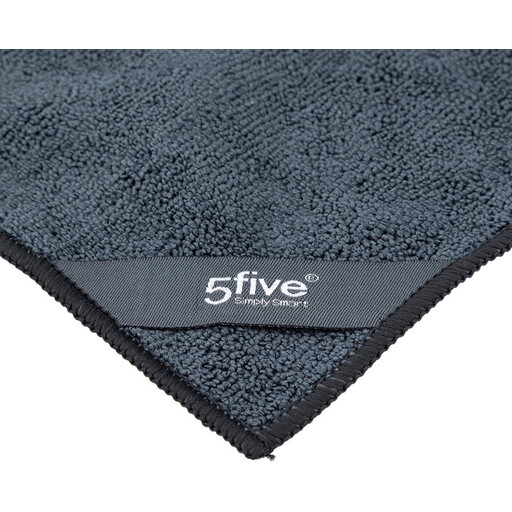
Why this fits the profile: Suitable for those who want a larger cloth to use on smooth surfaces, worktops, glass or stainless steel.
The size of 40 x 30 cm and the composition of polyester and polyamide are clearly stated. So you can match the size to your work surface in advance.
3 colours; suitable for wet and dry use according to the product description; machine washable at up to 40 °C.
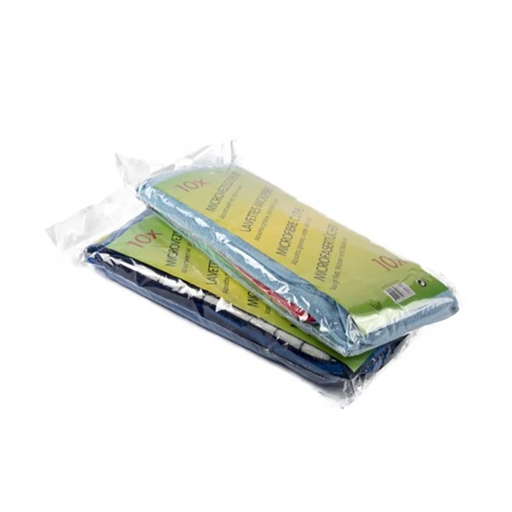
Why this fits the profile: Handy for households that clean multiple rooms and want to use separate cloths for the kitchen, bathroom, glass and electronics.
With 10 reusable cloths, you don't have to use one cloth for all rooms. This makes colour or task separation easier.
10 pieces; suitable for dry and wet use according to the product information; rinse or wash and air dry.
We've put together a full, up-to-date list of products that fully meet these strict selection criteria and current European safety regulations.
Rinse reusable cloths with water before first use, preferably following the packaging instructions. Wring the cloth out well so it is damp and not dripping wet. For disposable wipes, follow the usage instructions on the packaging and dispose of the wipe after use according to local waste regulations.
The lifespan depends on the material, frequency of use, washing temperature and care. Rinse a cloth after use, let it dry completely and don't use products that are not permitted according to the label. Replace a cloth when it frays, holds a lingering odour or no longer cleans effectively.
A set of 3 cleaning cloths is suitable as a starter set or for a small home. For daily use in multiple rooms, a larger set is more practical. Choose separate cloths for the worktop, bathroom and general surfaces, for example. This means you need to wash less often in between and keep your cleaning routine organised.
