
Vandaag of morgen in huis

Kwaliteit gegarandeerd

Welkomstaanbiedingen ontgrendelen: GRATIS bezorging | Tot 80% korting | Gratis 30 dagen JoyPlus-proefperiode
Download de app
A cat may respond enthusiastically to one flavour for days, then leave its bowl untouched. At the same time, many packages look alike: “natural”, “with fish” or “in gravy” does not automatically mean the product is right for your cat’s age, eating habits or daily diet.
When choosing wet cat food, most disappointing purchases come down to three common pitfalls:
First, check whether the packaging says complete food or complementary food. Complete wet food for adult cats is intended to be given as their daily food, following the feeding guide on the label. A product labelled as complementary food does not automatically contain all the nutrients your cat needs every day.
For example, the INABA Churu Multipack Tuna & Chicken is a complementary cat treat. The product information states that it contains 91% moisture and 6 calories per tube. This makes it suitable as a reward, topping or interactive feeding option, but not as a replacement for a complete meal. Always provide fresh drinking water as well.
Life stage is particularly important for kittens. Wet food for kittens has different nutritional labelling from food for adult cats. According to the product description, Whiskas Junior Classic Selection is intended for kittens and includes portion information for different ages. When changing food, switch gradually to the new cat food.
Wet food generally contains more moisture than dry food. This is reflected in the analytical composition. For example, Felix Soup lists 88% moisture, while Purina One Sensitive Adult lists 78% moisture. A higher moisture content may suit cats that enjoy licking up gravy or broth, but in itself it says nothing about the product’s overall nutritional value.
As well as moisture, look at:
Only compare figures when the products are comparable. A mousse, meal in jelly and soup have different textures and often different moisture contents too. Claims about supporting, for example, skin, coat or immunity should be read as information provided by the brand. A brand may refer to a particular recipe based on its own research, but this is not a guarantee of the effect for every cat.
Your cat’s preference is practically as important as the nutritional information. Some cats enjoy cat food in jelly, while others prefer cat food in mousse or soft pâté. For cats that mainly lick up the gravy, a soup or high-moisture meal may be more appealing, but according to the product information, Felix Soup is complementary food and therefore not a complete meal.
The format is also worth considering:
Once opened, wet cat food should be covered and stored in the fridge. Many product descriptions recommend using it within 24 to 48 hours. Ideally, serve it at room temperature and always follow the instructions on the packaging.
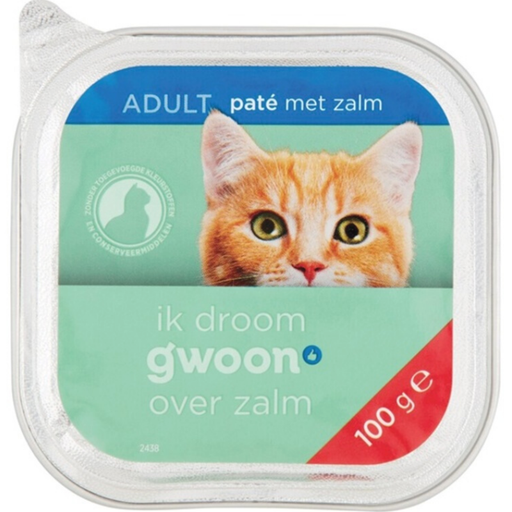
Why it suits this profile: A single 100-gram tin is a practical way to try a flavour your cat may like without immediately buying a large multipack of cat food.
The product description states that this is complete food for adult cats. Check the current packaging and feeding guide before giving it as a daily food.
Soft pâté texture, salmon as the stated flavour and a 100-gram pack.
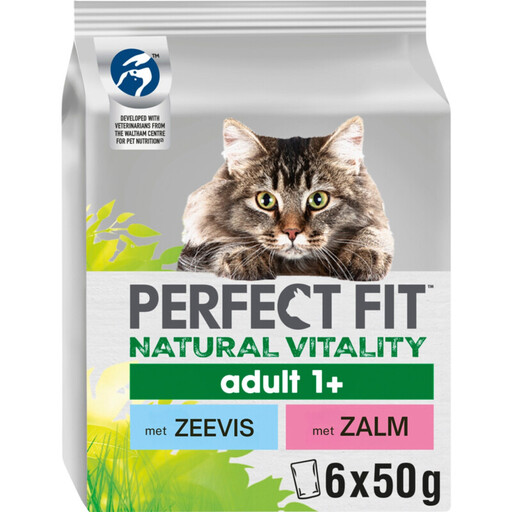
Why it suits this profile: Suitable for adult cat owners looking for a multipack with fish varieties and small portions.
The small portions reduce the likelihood of opened leftovers. The product information states that it is complete wet food for adult cats.
Varieties with sea fish and salmon, a grain-free recipe according to the product description, and portions that are easy to serve.
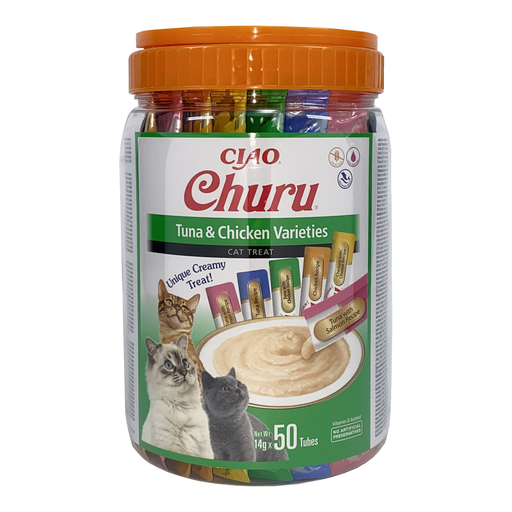
Why it suits this profile: Handy for cat owners who regularly use treats, meal toppers or interactive feeding.
The product information clearly identifies it as a complementary cat treat. This makes the distinction from complete cat food clear.
50 tubes of 12 grams, 91% moisture and 6 calories per treat according to the product details.
We have put together a complete, up-to-date list of products that fully meet these strict selection criteria and the applicable European safety regulations.
Check these points before you check out:
That depends on your cat’s preferences, age and nutritional needs. Wet food usually contains plenty of moisture and is available as pâté, mousse, jelly, gravy and soup. Dry food is easier to leave out for longer periods. With both types, check whether the food is complete.
The right amount varies depending on weight, age, activity level and calorie content. Use the feeding guide on the packaging as a starting point and divide the daily amount between several meals. Adjust the portion if your cat’s body weight changes.
This varies by product. Many labels advise keeping opened cat food covered and refrigerated, and using it within 24 to 48 hours. Throw away leftovers that have been left out of the fridge for too long or that smell or look different.
