
Vandaag of morgen in huis

Kwaliteit gegarandeerd

Welkomstaanbiedingen ontgrendelen: GRATIS bezorging | Tot 80% korting | Gratis 30 dagen JoyPlus-proefperiode
Download de app
Wet cat food might seem simple to choose: chicken, gravy or pâté in a handy pack. Yet products vary greatly in nutritional status, ingredients, moisture content and portion size. An attractive package doesn't automatically mean the food is suitable as a daily meal.
For British cat owners, these three pitfalls are particularly relevant:
Look on the packaging for "complete pet food" or "complete nutrition" when you want to use the wet food as a daily meal. A product labelled "complementary pet food" is intended as a treat, topper or extra.
The INABA Churu products in the 20 or 50-piece variants, for example, are complementary pet food. According to the product information, they contain approximately 91% moisture and are intended as a treat. They can be handy as chicken cat treats, but they don't replace complete wet food for adult cats.
Also pay attention to the life stage. A mention such as "adult" means the product is aimed at fully grown cats. You should adjust the daily amount based on your cat's weight, activity level and any other food it receives.
The ingredients are usually listed in descending order. So check:
With Whiskers Adult wet cat food with chicken, the product specification states, among other things, 4% chicken in the pieces, alongside meat and animal derivatives, cereals and plant-based protein extracts. With Purina One Sensitive Adult, 4% chicken is also mentioned, with an analytical protein content of 12.5% and 78% moisture.
That doesn't automatically make a product unsuitable. It does help you to distinguish marketing language from verifiable information.
The three most common textures are:
A cat that licks the gravy from the bowl but leaves the pieces may respond better to mousse or pâté. A cat that enjoys chewing may accept strips or fillets. Texture isn't a nutritional claim, but it does determine how much of the purchased food is actually eaten.
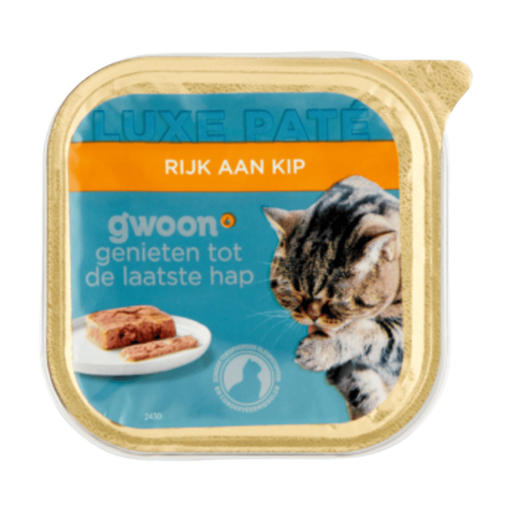
Why this fits the profile: An 85g portion is manageable for anyone wanting to try a cat pâté first without buying a multipack or large tin straight away. The smooth texture suits cats that prefer soft food.
The product information lists ingredients and nutritional values per 100g, including 8g protein, 5g fat and 84 kcal. Check the packaging to see whether the variant is labelled as complete food.
85g pack, smooth pâté texture and chicken as the stated animal ingredient.
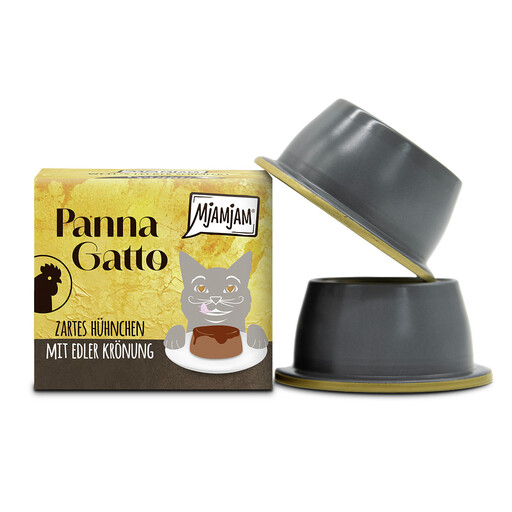
Why this fits the profile: This small pack is designed as a special treat with chicken, heart and liver in pâté form and a topping with apple extract. The portions are suitable for giving something extra in a controlled way.
The pack contains 2 portions of 80g. Don't automatically use it as daily main food: check the label for the complete or complementary food designation.
2 x 80g, pâté texture and a composition with chicken meat, heart and liver according to the product information.
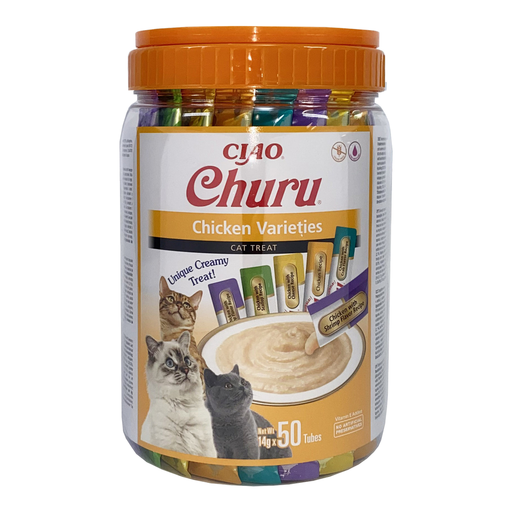
Why this fits the profile: If you often use a small reward, topper or hand-fed snack, 50 sticks give you a generous supply. The chicken variant contains 91% moisture and 6 calories per treat according to the product information.
The product page clearly states that this is complementary pet food. Keep the daily amount in mind and don't replace the main meal with it.
50 individual sticks, chicken as the main ingredient according to the specification and multiple uses.
We've put together a full, up-to-date list of products that fully meet these strict selection criteria and comply with current European safety regulations.
That depends on the complete nutrition, your cat's preference and the feeding advice on the label. Wet food generally contains a lot of moisture and is available as a complete meal or as a complementary treat. So compare the nutritional status, ingredients and daily portion rather than just the format.
That varies by product. In the product specifications provided, a maximum of two days in the fridge is often mentioned. With some treats, it states that you should use the contents immediately after opening. Cover leftovers, cool them quickly and follow the packaging.
The guideline depends on weight, age, activity level and the energy from treats or dry food. Packaging shows, for example, separate amounts for cats weighing 2 to 5 kilograms. Use that table as a starting point and adjust the portion to your cat's condition and eating pattern.
