
Vandaag of morgen in huis

Kwaliteit gegarandeerd

Welkomstaanbiedingen ontgrendelen: GRATIS bezorging | Tot 80% korting | Gratis 30 dagen JoyPlus-proefperiode
Download de app
When you're looking for wet food for your cat, the sheer number of options can be overwhelming. Packages with claims like "natural" or "grain-free" are everywhere you look. But what do these terms really mean for your cat's health? As a Product Recommendation Officer at Joybuy, I'm here to help you see through the marketing jargon and make an informed choice. We'll look at the facts so you know what to watch out for.
Before you make a decision, it's helpful to be aware of a few common misconceptions. This will not only save you money but also ensure your cat gets what it truly needs.
natural cat food is not legally protected. A food can be labelled "natural" yet still contain unnecessary sugars or vague "vegetable by-products." The ingredients list is the only reliable source of information.Grain-free cat food is often presented as the only healthy option. While it's a great solution for cats with a specific allergy or sensitivity, most cats have no problem with good-quality grains. A high meat content is generally more important than the absence of grains.Cat food in gravy can seem particularly appealing, but the gravy sometimes contains sugar or caramel to enhance its colour and taste. These additives offer no nutritional value and can be detrimental in the long run.You don't need to be a nutritionist to make a good choice. Just pay attention to the following three points on the packaging.
chicken cat food or salmon, instead of generic terms like "meat and animal derivatives." A high percentage indicates a quality product.cat treats or soups, is intended as a treat and is not nutritious enough to be a main meal.dog food for your cat; their nutritional needs are fundamentally different.Every cat and owner is different. That's why we've highlighted a few popular choices that suit various situations and preferences.
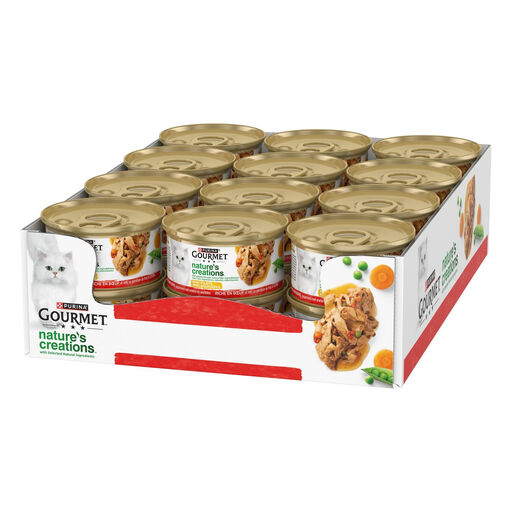
Why This Fits Their Persona: Ideal for those seeking a good balance between price and quality. This value pack cat food offers a complete meal from a well-known brand without the premium price tag.
Although it contains sugar, the ingredients list is clear with a specified beef content (14%). It's a complete food, not a misleading snack.
Economical multipack. Complete nutrition with selected natural ingredients and added vegetables.
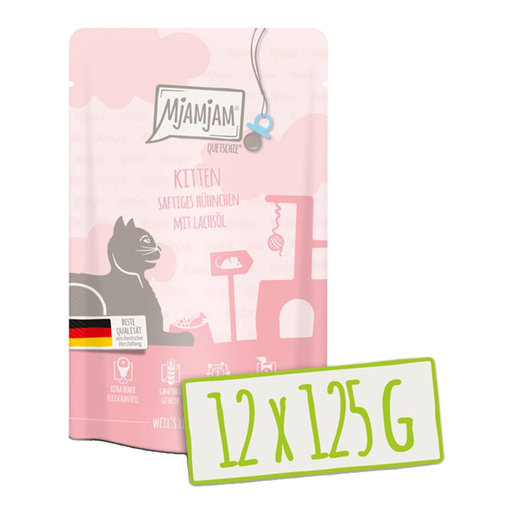
Why This Fits Their Persona: Perfect for owners of young cats looking for wet kitten food with a clear, high-quality composition. Focuses on pure ingredients without unnecessary additives.
This food is explicitly grain-free, gluten-free, and sugar-free. The ingredients list is transparent: 70% chicken (meat, heart, liver, gizzards), which avoids the pitfall of vague descriptions.
Very high meat content (70%). Specifically formulated for kitten growth, with added salmon oil for essential fatty acids.
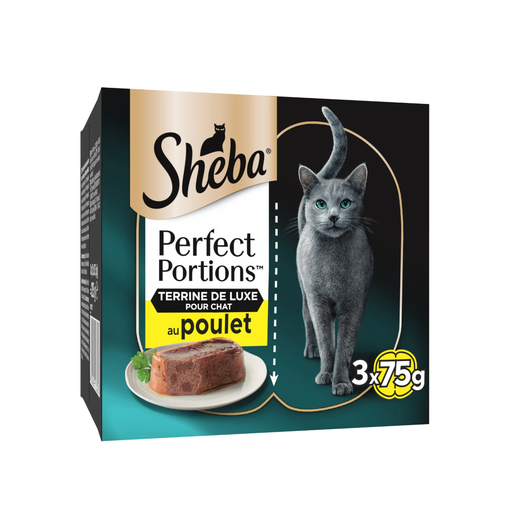
Why This Fits Their Persona: For the cat owner who prioritises freshness and convenience. No more half-empty cans in the fridge; every meal is a fresh, perfectly measured portion.
This product focuses on solving a practical problem: waste and spoilage. The portions are designed so that nothing is left over, reducing the risk of feeding stale food.
Convenient, individually wrapped portions guarantee freshness at every meal. Easy to open and serve.
The right nutrition is personal. We have compiled a complete and up-to-date overview of products that meet strict selection criteria and UK/EU regulations.
1. How much wet food does my cat need per day? The required amount depends on your cat's weight, age, and activity level. A general guideline for an adult cat of about 4 kg is 3 to 4 pouches of 85 grams per day, divided into at least two meals. Always consult the feeding guide on the packaging for the most accurate information.
2. Can I combine wet and dry food? Yes, this is a common method known as "mixed feeding." Wet food contributes to hydration, which is important for a cat's kidneys and urinary tract. Dry food can help keep teeth clean and is easy to leave out for grazing throughout the day.
3. Is more expensive wet food always better? Not necessarily. The price is influenced by marketing, packaging, and brand name. The key to finding good food is to read the ingredients list. Focus on a high percentage of specified meat or fish and the absence of unnecessary fillers like sugar. An affordable product with a good composition can be a better choice than an expensive brand with vague ingredients.
