
Vandaag of morgen in huis

Kwaliteit gegarandeerd

Welkomstaanbiedingen ontgrendelen: GRATIS bezorging | Tot 80% korting | Gratis 30 dagen JoyPlus-proefperiode
Download de app
Wet cat food might seem simple to choose: a flavour your cat likes, an appealing pack, and a size that fits in your cupboard. Yet most buying mistakes come from small differences in nutritional status, texture, portion size and storage advice. A soft pâté, for example, isn't automatically a complete cat food, while a liquid cat treat isn't intended as a full meal.
This practical selection guide will help you objectively compare cat food in tins, pouches and treats.
Packaging often features attractive terms like “natural”, “high in moisture” or “with chicken”. Always check the legal classification:
For example, the INABA Bisque Cat Chicken Recipe is classified as a complementary pet food according to the product information. It contains 93% moisture and can be given as a liquid cat treat or topper, but it does not replace a complete wet cat food.
“With salmon”, “with chicken” or “with tuna” doesn't necessarily mean that ingredient makes up the largest part of the recipe. Check the ingredients list and the stated percentage. Some varieties, for instance, list 4% chicken, salmon or tuna, while the rest consists of meat and animal derivatives, minerals or other ingredients.
That isn't necessarily a problem, but it helps you distinguish marketing language from verifiable product information.
A 400g pack might seem good value, but once opened, the remaining cat food must be refrigerated and used within the stated period. For a cat that eats small portions, cat food portions of 37.5g, 50g or 85g can be more practical. This reduces waste and means you can serve a freshly opened portion more often.
First, decide when you'll use it. For a daily meal, look for the label complete food for adult cats. For variety, rewards or extra moisture, complementary food may be suitable.
Also pay attention to the life stage. Wet cat food for adult cats is not the same as food for kittens or seniors. When in doubt, follow the information on the label and adjust the amount according to weight, activity and the rest of their diet.
Wet food typically contains a lot of water. That can be useful for cats that don't drink much, but look beyond just the moisture percentage. The INABA Bisque, for example, states 93% moisture, 2% crude protein and 0.2% crude fat. That fits its use as a hydration-focused treat, not the expectation of a complete main meal.
Other products have a lower moisture content and list additional nutrients such as taurine, vitamins and minerals. Compare the full analysis on the packaging rather than focusing on just one standout figure.
Cats can vary greatly in their preferences:
Always check the storage advice after opening. For the products mentioned, this ranges from immediate consumption to a maximum of 24 or 48 hours refrigerated.
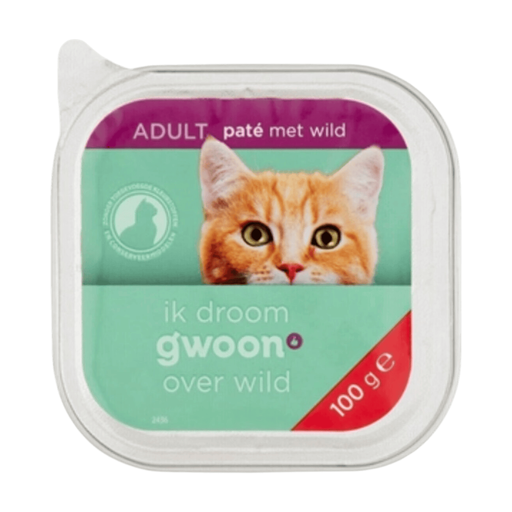
Why this fits the profile: The 100g pack is manageable for anyone trying wet food for the first time without committing to a large tin. The soft pâté texture is practical for cats that prefer smooth food.
The product information states that this is a complete wet food for adult cats. Always check the current packaging and feeding amount.
100g per tin, pâté texture and beef as the stated variety. Refrigerate after opening and use within 48 hours.
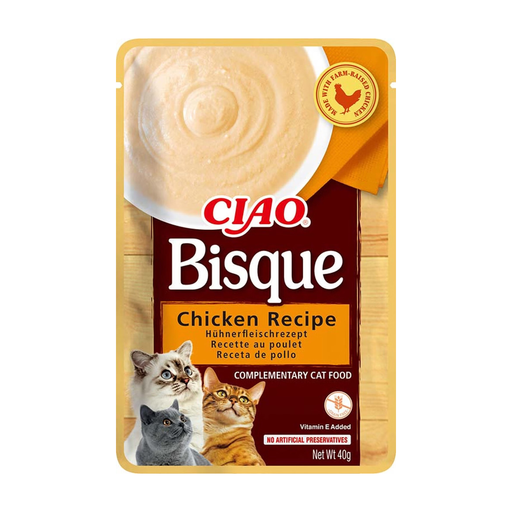
Why this fits the profile: This creamy treat is designed for cats that prefer soft or liquid textures. You can serve the bisque on its own or as a topper over complete cat food.
The product description clearly states it is a complementary pet food. This makes its role as a treat or topper clear, so it isn't mistakenly used as a main meal.
93% moisture, chicken as the only stated protein source and 50g per tin. Refrigerate after opening and use within 24 hours.
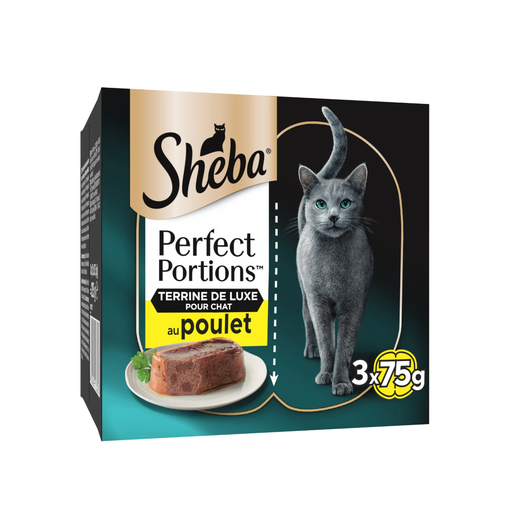
Why this fits the profile: The six individual 37.5g portions are convenient for households with multiple feeding times or cats that eat small amounts at a time.
Individual packs reduce the need to store opened leftovers. The product information also states that this is a complete wet food for adult cats.
Chicken variety, 6 × 37.5g and complete food according to the product label. Store opened, unused portions in the fridge for a maximum of two days.
We've put together a full, up-to-date list of products that fully meet these strict selection criteria and comply with current European safety regulations.
That depends on the overall diet, your cat's preference and advice for your individual situation. Wet food typically contains a lot of moisture and offers variety in flavour and texture. If using it daily, check whether the product is labelled as complete cat food. A complementary treat, such as a bisque or Churu stick, should be given alongside the main food.
There is no fixed amount for every cat. Weight, age, activity level and the energy value of the product all play a part. Follow the feeding guideline on the packaging and adjust the portion if your cat also eats kibble or treats. If you're unsure about weight or nutritional needs, you can ask your vet for advice.
This varies by product. Some packs advise use within 24 hours, others within 48 hours. Store leftovers sealed in the fridge and always check the label. Individual portions can be handy if you want to minimise storage.
