
Vandaag of morgen in huis

Kwaliteit gegarandeerd

Welkomstaanbiedingen ontgrendelen: GRATIS bezorging | Tot 80% korting | Gratis 30 dagen JoyPlus-proefperiode
Download de app
A well-stocked cupboard does not automatically mean your cat is receiving the right nutrition. When buying wet cat food, purchases often go wrong because of attractive packaging, unclear terminology and unsuitable portion sizes. A mousse, for example, may be easy to eat, but not every product is suitable as a complete daily diet. A large multipack of cat food may also appear cost-effective, while your cat may accept only one flavour.
In this guide from the Joybuy Product Recommendation Officer, you will learn what to look for in the Netherlands when choosing wet cat food for adult cats, kittens and cats that need extra variety.
Always check whether the packaging states that the product is complete cat food. Complete food is intended as a daily meal when served according to the feeding guidelines on the label. A complementary product, such as broth or a treat, does not necessarily provide all the nutrients required for a complete diet.
According to the product information, INABA Broth Chicken with Salmon Recipe contains 93% moisture and is intended as a hydrating treat. The product contains 2% crude protein and 0.2% crude fat, so it is not a substitute for complete cat food. Use it as an addition and ensure that fresh drinking water is also available.
“Cat food with salmon” does not always mean that salmon is the main ingredient. For example, the product specifications for Sheba Classic Pâté With Chicken list meat and animal derivatives, fish and fish derivatives, including 4% salmon. Always check the ingredients list rather than relying solely on the image on the packaging.
Also pay attention to the difference between “with chicken” and a recipe that lists chicken as its first ingredient. The ingredients list provides a more reliable picture of the product.
A multipack containing 44 pouches of 85 grams can be convenient for households with several cats or for a cat that eats the same type of food every day. For a fussy cat, however, buying in bulk can lead to unnecessary waste. When trying a new flavour, start with a smaller pack, such as cat food in trays, tins or a small multipack.
Choose cat food that matches your cat’s age and circumstances:
According to the product description, Farmina N&D Ocean Kitten Cod is presented as complete food for kittens. The available variants are 300-gram and 1.5-kilogram dry food, not wet food. This distinction is important when you are specifically looking for wet cat food.
Texture can determine whether your cat accepts the food. Cat pâté is compact and smooth, while cat mousse is lighter and softer. Chunks in jelly or gravy offer greater variety in mouthfeel. Broth generally contains a high proportion of moisture, but is often a complementary product.
If your cat prefers soft food, check the following:
A soft texture is not a medical solution. If eating difficulties, signs of pain or sudden changes in eating behaviour persist, consult a vet.
Wet food generally contains more moisture than dry food. The exact percentage varies by recipe. INABA broth lists 93% moisture, while Sheba Classics Pâté Salmon Aluminium Trays lists 83%. Use these figures to compare products objectively, but base the daily serving size on the label.
After opening, store leftovers covered in the refrigerator. Product information for various packs states a usable period of 24 to 48 hours. Always check the instructions on the packaging and preferably serve the food at room temperature.
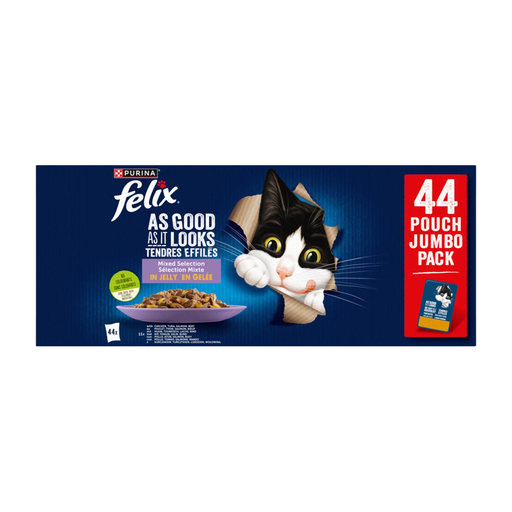
Why it fits: Convenient for households that want to offer several flavours and regularly serve 85-gram portions.
The multipack reduces the need to keep buying individual pouches, but first check that your cat will eat the different flavours.
44 pouches of 85 grams; according to the product information, complete nutrition for adult cats.
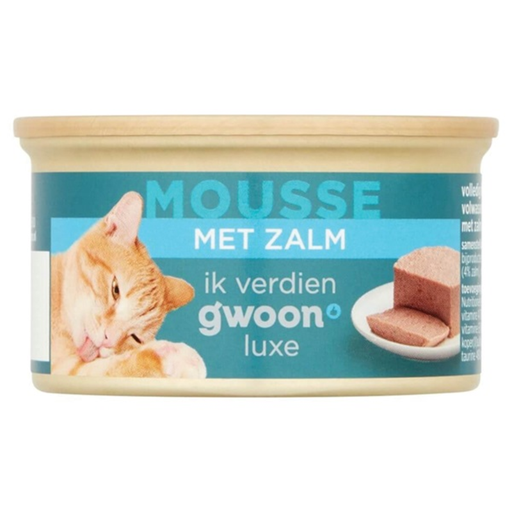
Why it fits: An option for adult cats that prefer a smooth mousse to chunks in jelly.
The product information describes the texture and portion more clearly than broad terms such as “gourmet” or “delicate”.
85 grams per pack; mousse texture; salmon as the stated variant; intended for adult cats.
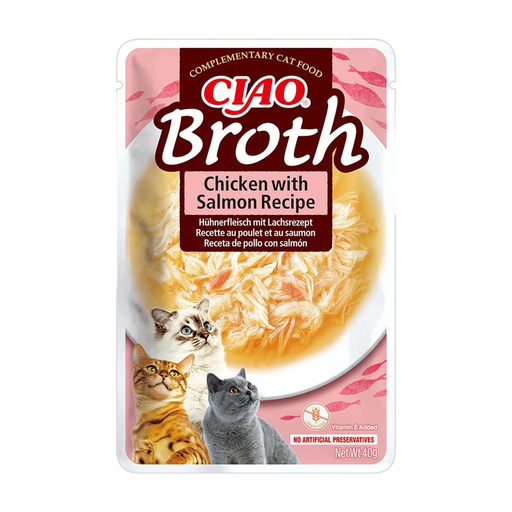
Why it fits: Suitable as a small addition for cats that enjoy broth and appreciate extra variety in their bowl.
The product description calls this a hydrating treat. Do not use it as a replacement for complete cat food.
50 grams; 93% moisture according to the product specifications; chicken broth, chicken and salmon listed as ingredients.
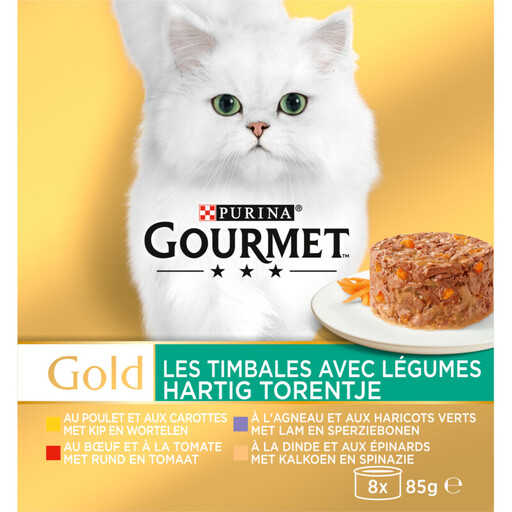
Why it fits: A practical choice for those who want to rotate beef, chicken, turkey and lamb in smaller portions.
A variety pack reduces the chance of being tied to a single flavour for an extended period, but check the nutritional information for each individual variety.
Eight portions of 85 grams; several meat varieties; product information states that it is complete nutrition for adult cats.
Grain-free cat food contains no grains, but that does not automatically make it suitable for every cat. Check the full composition, protein content and life stage. According to the product information, Farmina N&D Ocean Kitten Cod is described as grain-free and complete kitten food, but it is dry food. For wet food, you will therefore need to look for a separate product with the same life-stage designation.
If you suspect a food intolerance, experimenting at home is not reliably conclusive. Discuss a suitable feeding plan with a vet.
Browse our current range of tinned cat food and compare flavours, textures, pack sizes and life stages based on the available product specifications.
That depends on the overall diet, life stage and your cat’s preferences. Wet food usually contains plenty of moisture and is available as pâté, mousse, chunks in jelly or broth. Dry food is easier to measure and store. With both types, check that the food is complete and follow the portion guidance on the packaging.
The amount varies according to weight, age, activity level and calorie content. Product labels often provide guidance for a cat weighing around 4 kilograms. Felix, for example, recommends a maximum of three pouches per day for an average adult cat, while other products advise a different number of tins. Use the guideline as a starting point and take treats and other food into account.
Store unused wet cat food covered in the refrigerator. Depending on the product, 24 to 48 hours is usually recommended. Check the packaging, smell the food before serving and discard any leftovers if the food’s appearance or smell has changed.
