
Vandaag of morgen in huis

Kwaliteit gegarandeerd

Welkomstaanbiedingen ontgrendelen: GRATIS bezorging | Tot 80% korting | Gratis 30 dagen JoyPlus-proefperiode
Download de app
As a cat owner, you naturally want only the best for your pet, but the selection of wet food on the shelf can be overwhelming. Packaging makes all sorts of promises, but what are you really feeding your cat? Many owners unwittingly fall into a few common traps, leading them to spend money on food that isn't optimal for their cat's health.
Before you stock up again, it's wise to know what to look for. These are the most common pitfalls:
senior cat food to a young, active cat (or vice versa) can lead to a deficiency or an excess of certain nutrients.By understanding these points, you can make a more confident choice that suits your cat's health and taste.
To see through the marketing jargon, it's helpful to focus on a few concrete specifications on the label. These three points will give you an objective view of the quality.
Look beyond the front of the package and read the ingredients list. Ingredients are listed in order of quantity. If meat and animal derivatives is at the top, that's a good start. Pay attention to the specifics: "of which 4% is chicken" means that of the total percentage of meat and by-products, only a small portion is actually chicken. Products with a higher, clearly specified meat percentage often provide more clarity about what your cat is eating. Some owners deliberately choose grain-free wet cat food, believing it more closely mimics a cat's natural diet.
This is a crucial distinction.
Ensure that your cat's daily diet consists mainly of complete meals.
A cat's nutritional needs change with age.
Always choose food that matches your cat's age, such as specific kitten wet food or senior cat food.
Based on clear product specifications, we have selected a few options that suit different needs and budgets.
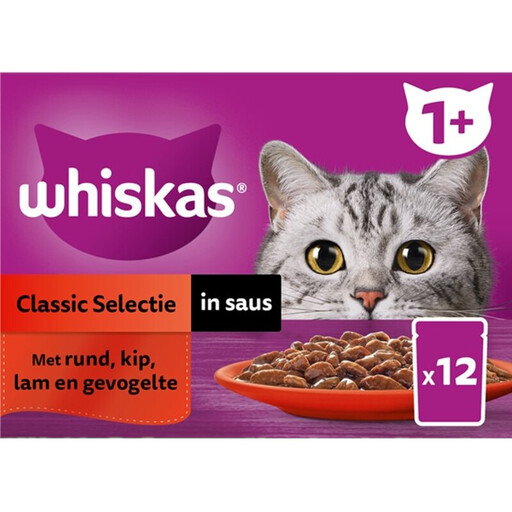
Why This Fits Their Persona: Ideal for those looking for a reliable and affordable `cat food value pack`. This multipack offers a variety of flavours, which is great for picky eaters, and the `cat food pouches` are easy to portion.
This is a complete food, so your cat gets all the necessary nutrients. The ingredients list is transparent about the meat percentage, so you know exactly what you're buying and avoid the "4% trap".
Affordable multipack with four different flavours. Clearly labelled as a complete food for adult cats (1+ years).
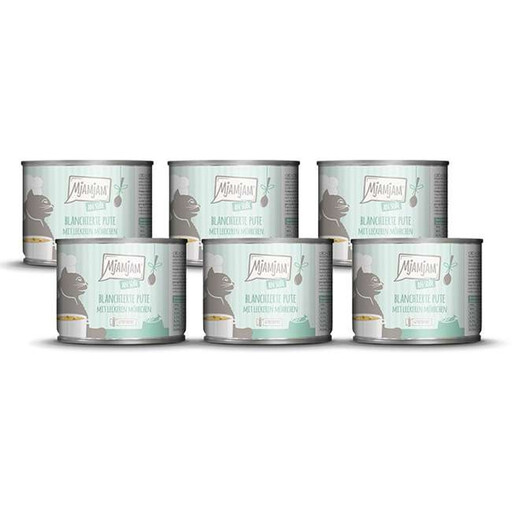
Why This Fits Their Persona: For the cat owner seeking `grain-free wet cat food` with a high meat content and a clear ingredients list. This food focuses on pure ingredients without unnecessary additives.
This product is free from grains, gluten, and added sugars. With a meat content of 68% turkey, you know exactly what you're feeding, far exceeding the 4% minimum often used.
Very high and specified meat content (68%). Free from grains and sugar. Single-protein (turkey), which can be an advantage for cats with food sensitivities.
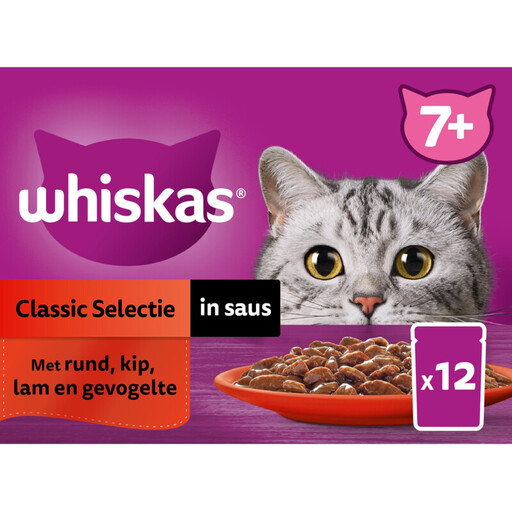
Why This Fits Their Persona: Specifically developed for the needs of older cats. This `senior cat food` provides a complete and balanced meal that considers the changing physiology of cats aged 7 and over.
This food avoids the 'one-size-fits-all' trap. It is specifically formulated for seniors, which helps support common age-related issues, rather than using a generic adult recipe.
According to the manufacturer, it supports a healthy urinary tract and natural defences with vitamins C and E. The composition is tailored to the needs of an older cat.
We have compiled a complete, up-to-date list of products that meet these selection criteria.
The required amount depends on your cat's weight, age, and activity level. An average adult cat of 4 kg needs about 2 to 3 pouches of 85 grams per day, divided into at least two meals. Always consult the feeding guide on the packaging for specific guidelines and adjust the amount if your cat gains or loses weight.
Yes, this is often called 'mixed feeding' and is a popular choice. Wet food provides extra moisture, which is good for the kidneys and urinary tract. Dry food can help keep teeth clean. If you combine them, make sure to adjust the portions of both to prevent overfeeding. For example, the packaging of many Whiskas wet food products includes a handy chart for combining wet and dry food.
Always introduce new food gradually to prevent stomach and digestive issues. Over 7 to 10 days, mix an increasing amount of the new food with the old food. Start with 25% new and 75% old, and slowly increase this until your cat has fully transitioned. Keep an eye on your cat and always provide fresh drinking water.
