
Vandaag of morgen in huis

Kwaliteit gegarandeerd

Welkomstaanbiedingen ontgrendelen: GRATIS bezorging | Tot 80% korting | Gratis 30 dagen JoyPlus-proefperiode
Download de app
Planning a wedding is a special time where personal touches make all the difference. With handmade wedding cards, menus, or a unique wedding album, you add an authentic and personal element to the big day. However, the search for the right materials can be overwhelming. There's so much to choose from.
As a Joybuy Product Recommendation Officer, my job is to help you find practical and suitable products. In this article, we'll look at a selection of wedding cutting dies so you can make an informed choice for your creative project.
Before we dive into specific products, here are a few practical points to consider. These will help you find the wedding die-cuts that match your needs and equipment.
Most cutting dies, also known as cutting dies, are made of carbon steel. This material is sturdy and ensures a sharp, clean cut, even after frequent use. A good metal die for a wedding should be durable enough to handle a whole stack of invitations without losing its sharpness. Check that the die feels solid and has no flimsy parts.
Not every cutting die fits into every die-cutting and embossing machine. Most card-making dies are designed for standard machines like the Sizzix Big Shot, the Cuttlebug, or similar models. Pay attention to the dimensions of the die and compare them with the maximum feed width of your machine. The product description often mentions whether the die is compatible with the most common systems.
Think about the purpose of your project. Are you looking for a specific "Mr and Mrs" cutting die for the wedding card, or are you looking for more general scrapbooking dies like ornate frames or flowers that you can also use for other occasions? Some sets offer multiple dies that you can combine for a layered effect. These types of sets can be a good long-term investment. Sometimes, dies can also be used as embossing stencils with the right embossing mat, adding extra texture to your DIY wedding card.
Below is a selection of cutting dies that are popular with crafters who make personal wedding decorations and cards.
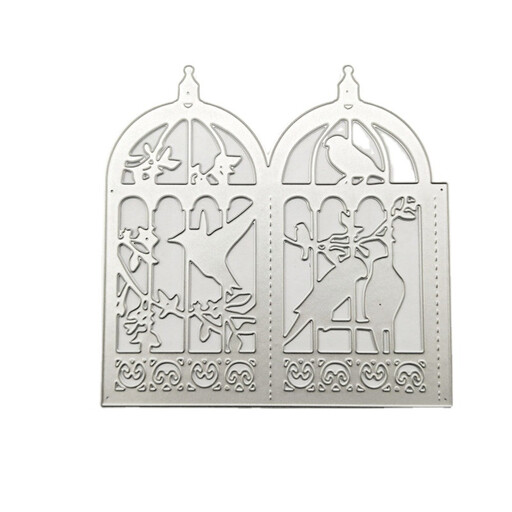
Why It Stands Out This design is classic and instantly recognizable. The silhouette of a bride and groom is a timeless symbol that fits perfectly with a romantic theme. The detailed cut of the dress and suit provides an elegant result.
Key Features
Who Is This For? For crafters who want a traditional and romantic look for their wedding card-making die projects. It's an excellent choice for the front of an invitation or a thank-you card.
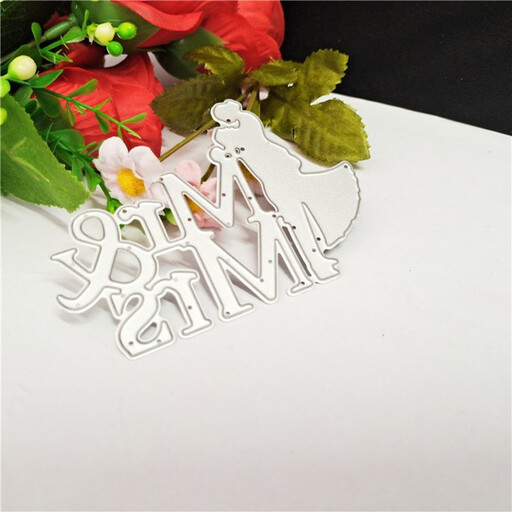
Why It Stands Out This "Mr and Mrs" cutting die is modern and typographic. The clean font makes it a versatile addition to all kinds of projects, from minimalist to elaborate.
Key Features
Who Is This For? For couples-to-be who prefer a modern and clean style. This die is practical for anyone who wants to quickly and effectively add a personal touch to various wedding items.
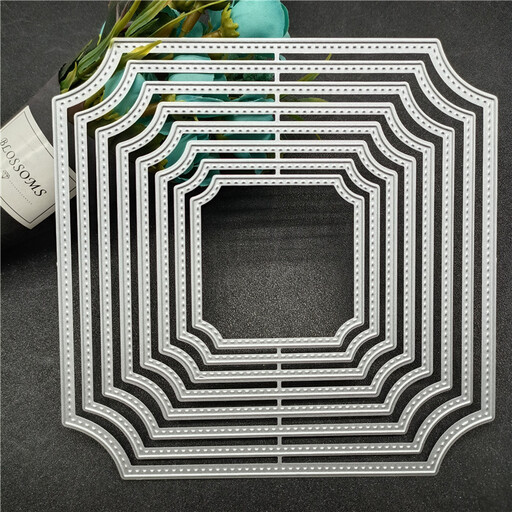
Why It Stands Out This set doesn't offer a specific wedding icon, but rather a collection of eight different ornate frames. Its versatility is the main advantage here. You can use them to highlight a photo, text, or another decorative element.
Key Features
Who Is This For? For the crafter looking for a multi-purpose set. Ideal for creating a DIY wedding card with a layered design, or for putting together a wedding album where you want to frame photos and memories in an elegant way.
This selection provides a good overview of the possibilities, but perhaps another design fits your vision better. Every creative project is unique. If these specific wedding cutting dies aren't quite what you had in mind, a wider selection is available.
See more cutting dies for scrapbooking and card making here
A cutting die is a metal shape with a sharp edge that, under the pressure of a die-cutting machine, cuts a shape completely out of paper or other material. An embossing stencil (or embossing folder) is usually a plastic folder with a raised pattern. When you place paper inside and run it through the machine, the pattern is pressed into the paper, creating a raised texture. Some thin cutting dies can also be used with a special mat to create a light embossing effect.
For a sharp and clean result with wedding die-cuts, paper with a weight between 160 and 250 gsm is recommended. This cardstock is sturdy enough to capture the details well without tearing, but not so thick that the machine struggles with it. For delicate designs, smooth cardstock is often the best choice.
No, a die-cutting and embossing machine is necessary for a good result. These machines apply the even and high pressure needed to cut the die cleanly through the paper. Manual pressure is not sufficient and will lead to incomplete or frayed cuts.
