Choose Dutch egg cakes if you want to serve soft, individual portions; choose digestives for a crisp biscuit to enjoy with coffee or tea. For guests with dietary requirements, provide a separate, clearly labelled option: a gluten-free digestive may still contain other allergens. Check the packaging of the variety you choose, and avoid sharing crumbs or serving tongs between options.
Who is each option suited to?
For organisers looking to serve soft individual portions
A Dutch egg cake makes a soft, individual treat for the coffee or dessert table. Product information from Bolletje and Albert Heijn also shows why you shouldn’t offer a standard egg cake to guests with allergies without checking the label.
For organisers looking for a crisp biscuit
A digestive is a different type of biscuit from a Dutch egg cake. If you want to serve something crisp with coffee or tea, compare the size and ingredients on the packaging you choose.
For organisers catering for dietary requirements
Ask in advance which ingredients your guests need to avoid. Keep a suitable option clearly separate at a self-service buffet, and keep the packaging so guests can check the allergen information.
What should you look for when choosing?
First decide how you want to serve the biscuits, then check the allergens, portion sizes and nutritional information for each product you choose.
Classic Dutch egg cake
Best when: you want to serve each guest an individual soft cake.
Bear in mind: the standard varieties reviewed contain egg and several other allergens; check the packaging of the product you choose.
Classic digestive
Best when: you want a crisp biscuit to serve with coffee or tea, or need crumbs for a dessert base.
Bear in mind: a standard wheat-based digestive is not a gluten-free alternative to a Dutch egg cake.
Gluten-free digestive
Best when: a guest needs to eat gluten-free and you can serve a biscuit specifically labelled as gluten-free on its own.
Bear in mind: the Schär Digestive Landtaler reviewed contains soya and may contain lupin and egg; gluten-free doesn’t mean allergen-free.
| What to consider | What to check when buying | Who it matters to |
|---|
| Texture and serving occasion |
Choose between a soft cake served as an individual portion and a crisp biscuit for coffee, tea or dessert. |
I want the biscuit to suit the occasion when guests will pick it up. For around 40% of consumers, the choice between soft and crisp is the most important factor. |
| Dietary requirements and allergens |
Read the label for the exact variety and keep separate options and serving tongs apart. |
If guests need to avoid certain ingredients, I want to know what each biscuit contains. For around 30% of consumers, suitability comes first. |
| Quantity and portion size |
Compare the number of biscuits, the pack weight and the portion you want to serve. |
I want to have enough individual portions ready without relying on the pack weight alone. This is the main consideration for around 20% of consumers. |
| Ingredients and nutritional information |
Compare the ingredients and nutritional values per 100 g and per planned portion. |
If I prefer a particular ingredient profile, I want to be able to assess the actual packaging. This preference is decisive for around 10% of consumers. |
Buffet pitfalls to avoid
-
Assuming ‘digestive’ means it meets dietary requirements
The name doesn’t tell you whether a biscuit suits a guest’s dietary preferences or allergies. For example, Albert Heijn describes its AH Digestive as vegan and lactose-free, but also as a wheat biscuit.
Check the ingredients, allergens and nutritional information for each variety rather than relying on the product name.
-
Putting a gluten-free biscuit in with the others
The Schär Digestive Landtaler reviewed contains soya and may contain lupin and egg. At a self-service buffet, crumbs or a shared pair of tongs could also compromise the separate option.
Use a separate plate and tongs, keep the packaging available, and make it clear which biscuit the allergen information refers to.
-
Planning based on pack weight alone
A pack of Dutch egg cakes and a pack of digestives won’t necessarily provide the same number of buffet portions. For example, ALDI Nederland lists 12 Heerlijck Banket Scharreleierkoeken compared with around 27 Biscotto Digestive Biscuits per pack.
Decide how many individual portions you want to offer, then compare the number and size of the biscuits.
An awkward size can also mean more broken biscuits or leftovers when serving.
-
Relying on an ingredients list you checked earlier
Albert Heijn points out that ingredients and allergen information can change. A label made for an earlier variety may therefore not match a pack you buy later.
Check the physical label when you buy the product, and update the information on the buffet if you change the product or pack size.
Brands to consider
Bolletje
Bolletje Brosse Eierkoek is an example of a soft Dutch egg cake.
- According to Bolletje, its light texture comes from a batter made with whipped egg.
- The variety described contains egg, wheat, milk and soya, among other ingredients; check the packaging for guests with allergies.
Verkade
Verkade Digestive Original is an example of a classic 400 g wheat biscuit.
- The product listing at Albert Heijn clearly states the product type and pack weight.
- The listing mentions wheat and possible traces of milk, and identifies this specific shop listing as discontinued.
Albert Heijn huismerk
AH Eierkoeken and AH Digestive are examples of two different types of biscuit.
- Albert Heijn describes its Digestive as vegan and lactose-free, and its Dutch egg cakes as made with egg.
- These characteristics apply to the specific products, not every variety; check the current label.
Jumbo huismerk
Jumbo lists standard, mini and wholemeal Dutch egg cakes, among other options.
- The different sizes offer a range of options for individual buffet portions.
- A wholemeal variety isn’t automatically suitable for people with allergies; check the ingredients of the cake you choose.
Lidl
Lidl lists Dutch egg cakes in packs of 12 and 400 g packs of plain Digestives.
- The number of egg cakes gives you a starting point for counting individual portions.
- Store and date-specific listings don’t guarantee availability on the day of the buffet; check the label for allergen information.
ALDI: Biscotto en Heerlijck Banket
ALDI Nederland lists Biscotto Digestive Biscuits and Heerlijck Banket Scharreleierkoeken.
- The packs described contain around 27 biscuits weighing 400 g in total and 12 Dutch egg cakes weighing 360 g in total, respectively.
- Check the packaging for ingredient and allergen information for the variety you buy.
Digestives for the coffee or dessert table
These Joybuy products are digestives to consider if you want to serve a crisp biscuit. The plain variety and the two chocolate varieties won’t suit every dessert spread in the same way; check the portions and allergens on each pack.
 Image unavailable
McVities Digestive Original, 400 g
A plain digestive to enjoy with coffee or tea, or to use as a biscuit base for a dessert.
400 g pack. Check the number of biscuits if you want to count out individual portions, and read the current label if you have allergies.
View on Joybuy
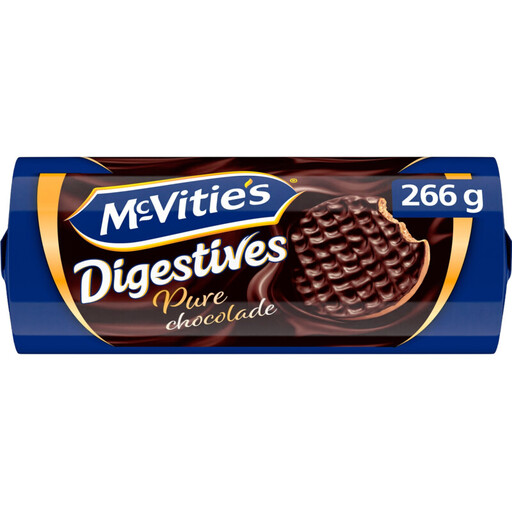 Image unavailable
McVitie's Digestives with Dark Chocolate, 266 g
A digestive topped with dark chocolate, for anyone who’d like to offer a chocolate option with coffee or tea.
266 g pack. Check the number of biscuits when planning portions, and check the label for ingredients including wheat, milk and soya.
View on Joybuy
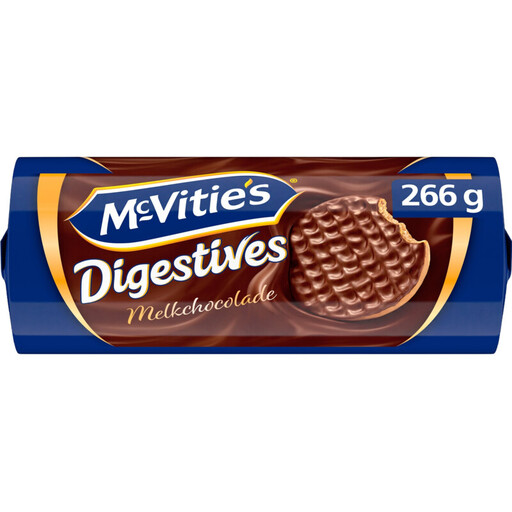 Image unavailable
McVitie's Digestives Milk Chocolate, 266 g
A digestive topped with milk chocolate, as a separate option alongside a biscuit without a chocolate coating.
266 g pack. Check the number of biscuits when planning portions, and check the label for ingredients including milk, soya and wheat.
View on Joybuy
Frequently asked questions
Can I replace Dutch egg cakes with digestives on the buffet?
Yes, if you deliberately want to serve a crisp biscuit instead of a soft cake. Dutch egg cakes are a better fit if you want to serve individual soft portions; digestives work well with coffee, tea or as a dessert base.
Which biscuit can I serve to guests who eat gluten-free?
Choose a specific pack labelled as gluten-free and check for other allergens too. The Schär Digestive Landtaler reviewed is gluten-free, but contains soya and may contain lupin and egg; serve a suitable option separately.
What allergen information should be available at a well-organised buffet?
When unpackaged food is offered professionally, customers must be able to get information about the allergens it contains. The Netherlands Food and Consumer Product Safety Authority lists 14 allergens for this purpose; keep the information available alongside the products, and check which rules apply to the food provider and serving format. Clear product labels can also help guests identify the right packaging at a private buffet.
How should I prepare the biscuits for self-service?
Follow the storage instructions on the packaging and serve separate options with their own tongs. Keep the packaging available so guests can check the ingredients and allergen information, especially if you’re offering several varieties.


