
Vandaag of morgen in huis

Kwaliteit gegarandeerd

Welkomstaanbiedingen ontgrendelen: GRATIS bezorging | Tot 80% korting | Gratis 30 dagen JoyPlus-proefperiode
Download de app
A wearable electric breast pump can be useful at home, at work or when you’re out and about. However, a compact design doesn’t automatically mean a pump will be comfortable, quiet or easy to clean. The right choice depends mainly on fit, battery life, maintenance and how you want to express milk.
A high number of suction settings may sound appealing, but stronger suction isn’t more comfortable for everyone. A pump should fit well and offer adjustable settings. The wrong breast shield size can cause leaks, make expressing less efficient or lead to discomfort.
So, look out for:
A hands-free breast pump or wearable breast pump fits inside your bra, but any parts that come into contact with milk still need to be cleaned after every use. Before you buy, check how many separate parts you’ll need to wash and whether they’re suitable for the dishwasher or sterilising.
Also make sure the motor and USB port don’t come into contact with water. Some models can only be washed in the parts that touch the milk.
A rechargeable breast pump is handy when you’re out and about, but battery life varies by model and intensity of use. Check:
A small collection cup can be discreet, but may need emptying more often. A larger cup will usually take up more room inside your bra.
Fit is one of the most important things to consider when buying a pump. Models with several inserts, such as 17, 19, 21 and 24 mm, give you more options for finding the right size. Always check the assembly instructions and use the size the manufacturer recommends for you.
A good seal helps keep the pump in place. That doesn’t mean every model will suit every body shape, so a trial period, clear returns policy and availability of spare parts are practical considerations.
Many models offer stimulation, expression and mixed modes. Nine suction settings are common, while some models offer fifteen. More choice can be useful, but it doesn’t automatically make a model more suitable.
A quiet breast pump is particularly useful if you want to express at work, in a shared space or during a phone call. Check whether the noise level is actually given in decibels. For example, the Medela Motion InBra product information specifies a maximum noise level of 45 dB.
A breast pump with an app may let you control the pump and track sessions using your smartphone. Check in advance that the app is compatible with your phone and whether you can use the pump without it.
Choose a model that clearly states which materials come into contact with milk and skin. The models mentioned specify food-grade, BPA-free silicone, among other materials. This describes the material; it doesn’t guarantee that a model will be comfortable for every user.
Don’t use an electric pump while showering or bathing, or charge it near water. Before each use, check the valves, membranes, seals and collection cups for wear. Replace any damaged parts, and don’t share a personal breast pump with anyone else.
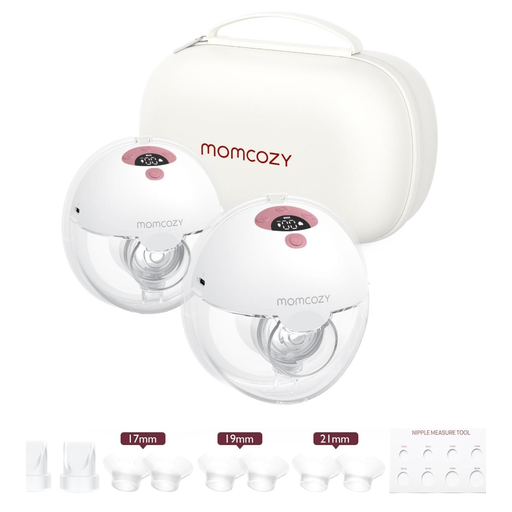
Why it suits this profile: This single hands-free pump is a good choice if you want to try wearable pumping or express from one breast at a time. The set includes three modes, nine suction settings and four breast shield sizes.
The different sizes mean you don’t have to rely solely on the standard 24 mm size. The USB-rechargeable battery means you won’t need a power socket while expressing.
Single pump; three modes; nine suction settings; four sizes included: 17, 19, 21 and 24 mm.
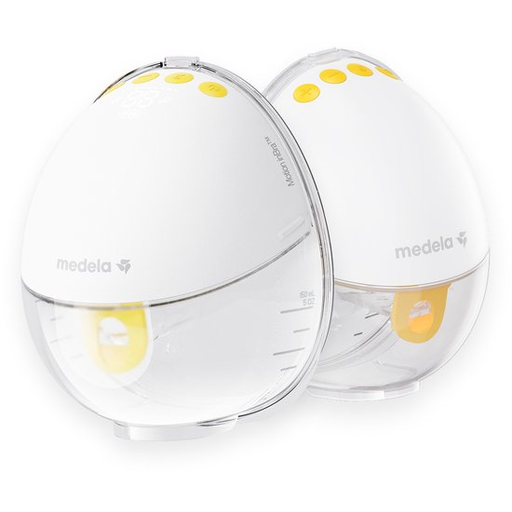
Why it suits this profile: This double electric breast pump is designed for users who value an anatomical shape, a specified noise level and a choice of sizes for a better fit.
The set includes a 24 mm breast shield and 15, 18 and 21 mm inserts. According to the product information, each cup has three parts to clean.
Double pumping; 150 ml capacity per cup; USB-C battery; specified maximum noise level of 45 dB.
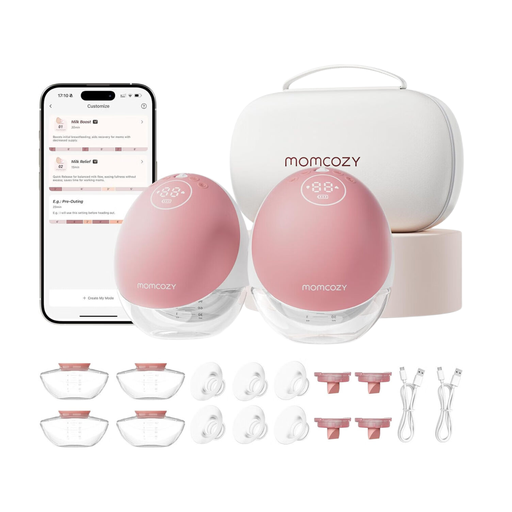
Why it suits this profile: This double wearable breast pump is designed for people who often express at work or when out and about, and want to manage the settings using a smartphone.
The set includes four 150 ml collection cups and inserts in several sizes. This lets you choose a size without relying solely on the standard breast shield.
Two motors; controlled via the Momcozy app; up to fifteen adjustable suction settings; USB-C charging and a storage case.
We’ve put together a complete, up-to-date list of products that meet these strict selection criteria and current European safety regulations.
A breast pump is just one part of your breastfeeding kit. You may also need breastfeeding accessories, such as spare valves, extra inserts, nursing bras and breast pads. For storing breast milk, purpose-made storage containers or bags are more practical than ordinary plastic bags.
The Medela storage bags mentioned in the product information hold 210 ml and have a double seal and a pour spout. They’re designed for single use. Don’t fill bags beyond the stated capacity, and write the date in the space provided. Don’t heat or defrost breast milk in a microwave; always follow the instructions on the packaging.
It depends on the fit, cleaning and number of pumping sessions. Check that the battery has enough capacity for your routine and that replacement parts are available. A wearable model is handy if you need flexibility, but some users may find a traditional model more practical for longer pumping sessions.
Battery life varies by model and suction setting. Product information for various models gives a range of around six to ten sessions, or approximately one and a half to two and a half hours. Treat this as a product specification based on certain conditions. Charge the pump before heading out, and take a suitable USB adapter if needed.
As well as the purchase price, replacement membranes, valves, inserts and collection cups can add to the cost. Check which parts need replacing regularly and whether they’re available separately. Remember to include spare parts and storage supplies when comparing the total cost of ownership.
