
Vandaag of morgen in huis

Kwaliteit gegarandeerd

Welkomstaanbiedingen ontgrendelen: GRATIS bezorging | Tot 80% korting | Gratis 30 dagen JoyPlus-proefperiode
Download de app
A wearable breast pump can make a world of difference for mothers with busy lives. The freedom to pump while you work, do chores, or even on the go is indispensable for many. But the market is flooded with models that promise the world. Unfortunately, marketing hype often leads to a bad purchase: a pump that is painful, leaks, or simply doesn't yield enough milk.
As a Joybuy Product Recommendation Officer, I'm here to help you cut through the noise. We won't focus on empty promises, but on the specifications that truly matter. Let's discuss the three most common pitfalls so you can choose a pump that fits your life, not the other way around.
quiet breast pump with a smart design is crucial for discreet use.To avoid a bad purchase, it's essential to look beyond the marketing and focus on the technical details. These are the three most important factors for a successful pumping experience.
The fit is the single most important factor. A well-fitting breast shield allows your nipple to move freely without rubbing against the sides, while gently stimulating the areola.
The motor is the heart of your electric breast pump. Its design determines the level of discretion and freedom of movement.
Momcozy pump) are completely wireless and compact. Ideal for maximum freedom of movement.Medela Freestyle) have the advantage of ultra-light cups. This can feel more comfortable and put less pressure on the breast.quiet breast pump is essential for use at the office or at night. User reviews often provide a good indication of this.A double breast pump is significantly more efficient. By stimulating both breasts simultaneously, you can not only cut pumping time in half but also, according to research from Medela, increase milk yield by up to 18%. For working mothers or those with a busy schedule, this is a major advantage. A single pump can be useful if you want to nurse on one breast while pumping on the other.
Based on these criteria, we have highlighted several popular choices that suit different needs and lifestyles.
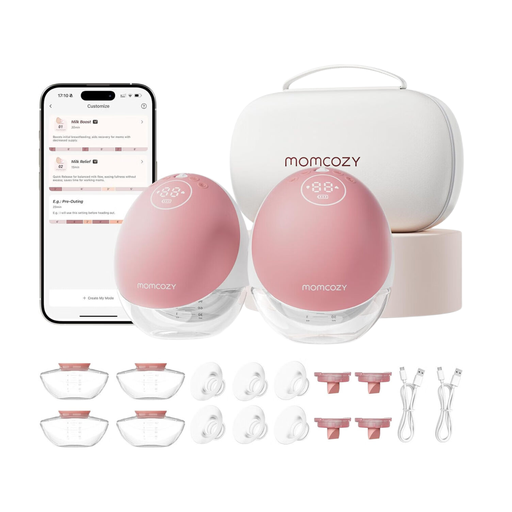
Why This Fits Their Persona: Completely wireless and designed to be worn discreetly in your bra. Ideal for moms who want to pump while working, driving, or doing chores. The app control adds a layer of convenience for on-the-go personalization.
Tackles the "one-size-fits-all" pitfall by including three sets of flange inserts (17/19/21mm) in addition to the standard 24mm shields. This makes finding the right fit possible right out of the box.
Double pump set for maximum efficiency. The motor is engineered for quiet operation, enabling discreet pumping at the office or next to a sleeping baby.
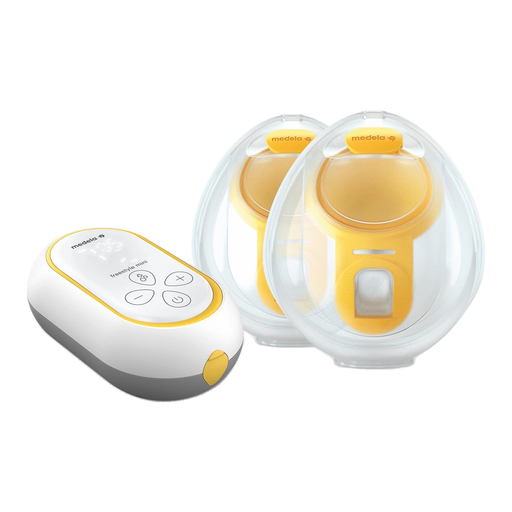
Why This Fits Their Persona: For moms who trust a renowned brand and proven technology. The external motor keeps the cups ultra-light, ensuring less pressure and more comfort throughout the day.
Focuses on comfort and effectiveness rather than raw suction power. According to Medela, the 2-Phase Expression technology mimics a baby's natural sucking rhythm, which is more comfortable and supports milk flow.
Ultra-light collection cups that fit comfortably in the bra. The motor is separate and can be worn with a lanyard, freeing up your hands completely. Easy to clean with only three parts per cup.
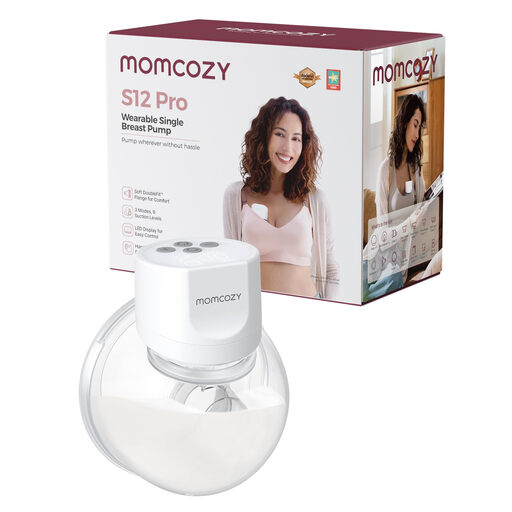
Why This Fits Their Persona: An accessible option for those who want to try hands-free pumping without immediately investing in a double set. Perfect for building a milk stash or for pumping on one breast while the baby nurses on the other.
Prevents the discomfort of a poor fit by including multiple flange inserts. The collection cup is designed to stand upright, which reduces the chance of spills—a common hidden inconvenience.
A complete, all-in-one hands-free pump at a lower entry price. Offers three different pumping modes (Stimulation, Expression, Mixed) with 9 suction levels for a personalized experience.
We have compiled a complete, up-to-date list of products that meet these strict selection criteria and comply with Dutch safety regulations.
The right size is crucial for comfort and effectiveness. You can measure your nipple (without the areola) with a ruler or measuring tape. The diameter in millimeters determines your starting point. The ideal flange size is typically 2-4 mm larger than your nipple diameter. Since your size can change, a pump with multiple included inserts is a safe choice.
Silicone parts like valves, diaphragms, and sometimes breast shields wear out with use and cleaning. This can lead to reduced suction. Most manufacturers recommend replacing these parts every 1 to 3 months, depending on the frequency of use. Check the manual for your specific pump for the recommended timelines.
Modern hands-free pumps can be very effective, provided the fit is good and the technology suits your body. For some women, the yield might be slightly lower than with a powerful, hospital-grade pump. However, for many, the huge gain in freedom and the ability to pump more often outweighs any small difference in output per session. It's a personal trade-off between maximum yield and practical convenience.
