
Vandaag of morgen in huis

Kwaliteit gegarandeerd

Welkomstaanbiedingen ontgrendelen: GRATIS bezorging | Tot 80% korting | Gratis 30 dagen JoyPlus-proefperiode
Download de app
Balancing breastfeeding with work, social activities, or simply managing a household demands flexibility. A wearable breast pump seems like the ideal solution, but the market is flooded with models that overpromise and underdeliver. Many mothers invest in a pump that ends up collecting dust in a closet after just a few weeks. This is often due to a few persistent misconceptions and marketing traps.
Before you make a choice, it's wise to understand the most common pitfalls:
To avoid buyer's remorse, it's important to look beyond the marketing. Pay attention to the following objective specifications that determine if a pump truly fits your lifestyle.
A pump's effectiveness hinges on the right fit. The breast shield must fit snugly without pinching. A shield that's too small can constrict milk ducts, while one that's too large pulls too much of the areola inside, both of which are painful and inefficient.
A cordless breast pump is the standard for pumping on the go. However, the freedom it offers depends on its battery life and how you charge it.
The choice between a single, double, or hands-free pump depends on your priorities: efficiency or maximum freedom of movement.
Based on objective specifications, we've matched several popular models to different user profiles.
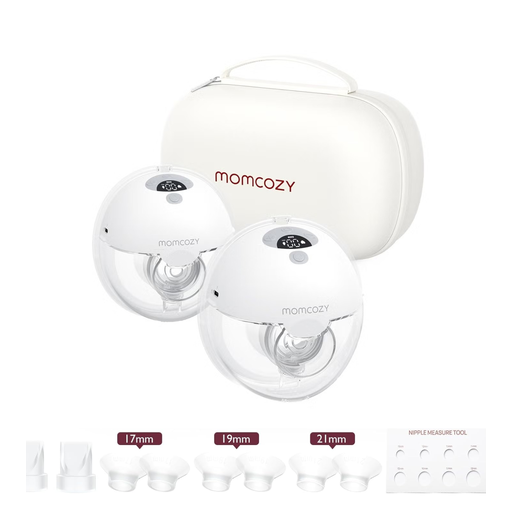
Why This Fits Their Persona: This user wants to pump without compromising her daily activities. The double, fully wireless, in-bra M5 offers maximum freedom to work, care for other children, or travel.
It tackles the "one-size-fits-all" pitfall by including four different flange sizes (17/19/21/24mm) as standard, immediately increasing the chances of a proper fit.
Completely hands-free and discreet design. According to the manufacturer, its "Baby Mouth" suction technology mimics a baby's natural nursing pattern for comfort and efficiency.
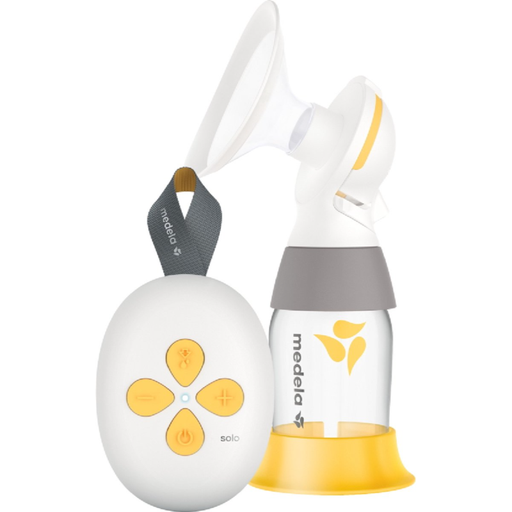
Why This Fits Their Persona: Ideal for those new to pumping or anyone looking for a reliable, compact pump for occasional use. It's a single model, making it an accessible choice without sacrificing the technology of a well-known brand.
It avoids the trap of vague claims about silence. Medela specifies that this model is noticeably quieter than its predecessor, operating at less than 45 dB on the highest setting.
Compact, intuitive to use with 4 buttons, and a built-in battery that lasts for up to 6 pumping sessions, according to the manufacturer. It charges via a modern USB-C port.
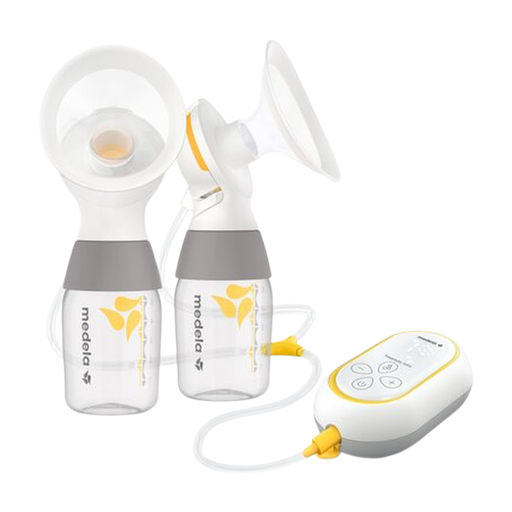
Why This Fits Their Persona: For the mother who is often on the go and needs efficiency. This double pump has an extremely small motor that fits in the palm of your hand, making it easy to carry in a work bag or handbag.
Like the Momcozy, this model addresses the fit problem by including two sizes of breast shields (21 mm and 24 mm) in the box, increasing the likelihood of a comfortable and effective pumping session.
Extremely lightweight and compact motor (215 grams). It's a double pump, which reduces pumping time, and the battery lasts up to 2 hours on a single charge, according to the manufacturer.
We have compiled a complete, up-to-date list of products that meet these strict selection criteria and UK safety standards.
The correct breast shield size depends on the diameter of your nipple (not the areola). Measure your nipple at its base and add 2-4 mm. This is a good indicator of the size you'll need. It's advisable to re-measure after a few weeks of breastfeeding, as your size can change. When in doubt, choose a set that includes multiple sizes.
Silicone parts such as valves, membranes, and sometimes the breast shields themselves wear out from use and cleaning. This reduces suction power. Most manufacturers recommend replacing these parts every 1 to 3 months, depending on how frequently you pump. Check your specific model's manual for the recommended replacement schedule.
For a hands-free pump, a firm and stretchy nursing bra works best. A regular underwire bra is often too rigid and may not hold the pump securely in place or could obstruct milk flow. A well-fitting, supportive bra ensures the pump seals properly against the breast, which prevents leaks and maximises efficiency.
