
Vandaag of morgen in huis

Kwaliteit gegarandeerd

Welkomstaanbiedingen ontgrendelen: GRATIS bezorging | Tot 80% korting | Gratis 30 dagen JoyPlus-proefperiode
Download de app
The life of a modern mother is often a combination of care, work, and a personal life. Breastfeeding is a valuable experience, but combining it with a busy schedule can be a challenge. A traditional pump with tubes and bottles ties you to one spot. Fortunately, a wearable breast pump offers the freedom to pump wherever and whenever you want, without interrupting your daily routine.
This guide is designed to help you navigate the specifications and options. We highlight several popular models and provide practical tips, so you can make an informed choice that fits your lifestyle.
Before we look at the products, here are a few key factors to help you determine what's important to you.
A hands-free pump is designed to be inconspicuous. Pay attention to the design: an in-bra pump fits completely inside your nursing bra, with no external bottles. The weight of the cups and the motor's noise level are crucial here. A lighter, quieter pump makes it easier to pump during an online meeting, on the train, or while doing groceries.
A double electric pump saves time by pumping both breasts simultaneously. Also, look at the technology the pump uses. Brands like Medela, for example, use a 2-Phase Expression technology, which mimics a baby's natural sucking rhythm for an efficient milk flow. Adjustable suction strength and various pumping modes give you the control to customise the session to what is comfortable and effective for you.
If you're looking for a pump for on-the-go, battery life is essential. Check how long the battery lasts and how it's charged (usually via USB-C). A wireless pump should also be easy to assemble and clean. Models with few separate parts that are dishwasher-safe will make your life much easier.
Based on the criteria above, we've made a selection of models that stand out for their specifications and design.
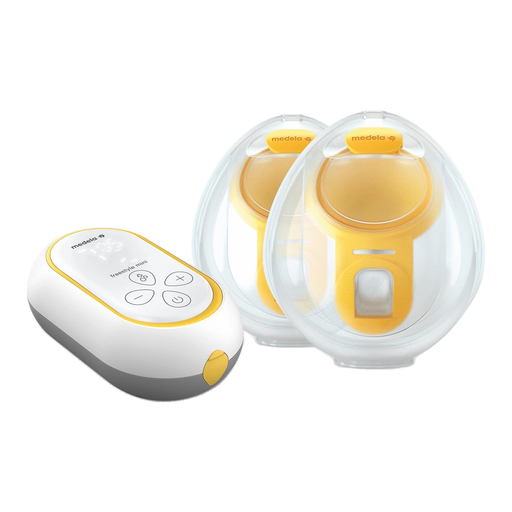
Why it stands out: This model combines ultra-light collection cups with a separate, compact motor that fits in your palm or can be worn on a lanyard. This design reduces the weight on the breast and offers significant freedom of movement.
Advantages:
2-Phase Expression technology to mimic a baby's natural sucking rhythm. According to Medela's own research, 100% of mothers are satisfied with the milk yield?.Who is it for? For mothers who want the power of a traditional Medela pump but with the flexibility of a hands-free system. The separate motor makes the cups themselves very light and comfortable.
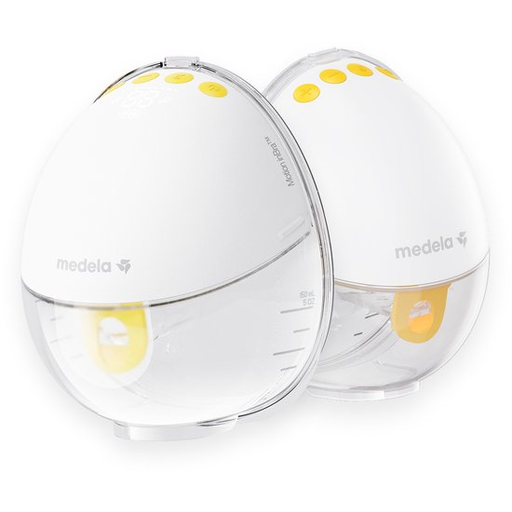
Why it stands out: The Motion InBra is a fully integrated in-bra pump with an anatomical shape. The design focuses on maximum comfort and discretion, with cups that follow the shape of the breast to prevent pressure points.
Advantages:
105° oval breast shields.2-Phase Expression technology with the special breast shields, which Medela claims yield up to 11.8% more milk.Who is it for? For mothers looking for an extremely discreet breast pump without external tubes or a motor. Its comfortable, anatomical design makes it ideal for extended wear at work or on the go.

Why it stands out: The Momcozy M5 distinguishes itself with its "Baby Mouth" suction design, which the manufacturer claims mimics a baby's natural latch. The added micro-vibration technology is intended to further stimulate milk flow.
Advantages:
Who is it for? For mothers who are interested in new pumping technologies and place a high value on customisation. The many modes and included flange sizes make it a flexible choice.
These three models are popular choices, but the market for breast pumps is broad and diverse. Every mother and every situation is unique. If these recommendations don't quite match your needs, many more options are available.
Check out our full range of electric breast pumps for more models and brands.
1. What is the difference between a hands-free pump and a traditional electric pump? A traditional electric pump often has an external motor connected via tubes to breast shields and bottles. You have to hold them or use a special pumping bra. A hands-free pump is an all-in-one system where the motor and collection cup fit directly into your bra, leaving your hands completely free.
2. How often should I clean the parts of a wearable breast pump? It is important to clean all parts that come into contact with breast milk after every use. This prevents bacterial growth and ensures the milk is safe for your baby. Always follow the manufacturer's cleaning instructions. Most modern pumps have dishwasher-safe parts.
3. Can I really do anything with a wireless pump? A wireless pump gives you a huge amount of freedom. You can perform light activities like walking, doing household chores, driving, or working at your desk. Strenuous movements such as bending over, running, or exercising are not recommended, as the pump might shift or leak.
