
Vandaag of morgen in huis

Kwaliteit gegarandeerd

Welkomstaanbiedingen ontgrendelen: GRATIS bezorging | Tot 80% korting | Gratis 30 dagen JoyPlus-proefperiode
Download de app
A waterproof outdoor jacket needs to cope with more than a brief shower in the Netherlands. Walkers face prolonged rain, strong winds and changing temperatures. Ventilation also matters when cycling, camping or trekking. A jacket that only keeps water out can still feel clammy during strenuous activity.
That is why your choice should not start with colour or discounts, but with the features you genuinely need. Below, you’ll find out which specifications matter, which marketing claims to scrutinise and which type of jacket suits the way you use it.
A jacket may be described as waterproof, but without clear information about its hydrostatic head, seams and zips, it is difficult to assess how much protection it offers. Check whether the product description provides a technical rating, test method or information about the construction.
The fit matters too. A jacket that is too short lets rain in at the lower back. A hood without adjustment can blow off your head in strong winds.
A membrane or laminate keeps moisture out from the outside, but that does not automatically mean that perspiration is quickly transported away. For gentle walks, you need a different breathable outdoor jacket than for walking uphill or intensive trekking.
Look for a stated MVTR rating, for example in grams per square metre per 24 hours. This figure indicates how much water vapour can pass through the material according to a particular test method. Test methods are not always directly comparable, so use the figure mainly to compare models within the same product range.
A padded jacket is comfortable when sitting still at the campsite or during a cold commute. However, thick insulation can become too warm during a brisk walk. A hardshell jacket without built-in insulation offers more flexibility when you wear multiple layers.
A 3-in-1 winter jacket usually combines an outer layer with a removable inner jacket. Check that both layers can be worn separately and that the zips, cuffs and collar fit together properly.
Hydrostatic head is expressed in millimetres of water pressure. A higher figure indicates greater resistance to water pressure within the test method used. For rainy Dutch weather, the number is not the only thing that matters. Also look for:
Claims such as “storm-proof” come from the brand’s product description. Treat them as stated product features and check what technical evidence is provided to support them.
A waterproof walking jacket with ventilation zips under the arms is practical when walking uphill, cycling or working outdoors. Openings provide a direct way to release heat and moisture while allowing you to keep your jacket on in changeable weather.
According to the product description of certain PELLIOT models, the fleece-lined 3-in-1 version has a hydrostatic head of 35.900 mm H₂O and an MVTR of 16.000 g/m²/24 hours, measured according to JIS. These figures are the manufacturer’s product specifications; they do not predict exactly how every wearer will experience the jacket.
For rocky terrain, bushes or a heavy rucksack, abrasion-resistant material is important. Also make sure there is enough room for a fleece or insulating layer. A windproof jacket that fits tightly over a jumper restricts your freedom of movement and can pull around the arms.
Ideally, measure a well-fitting jacket and compare its length, chest, shoulder width and sleeve length with the size chart. The supplied product information states for several models that you may wish to consider sizing up when wearing thick mid-layers. Always follow the size chart for the specific model, as sizing varies between versions.
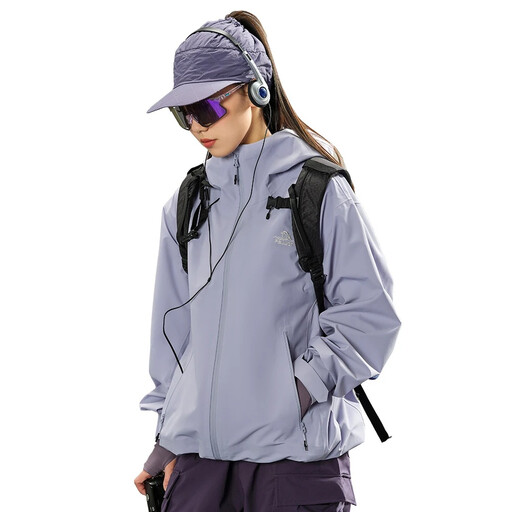
Why it suits this profile: This unisex hardshell is suitable for everyday rain, walking and occasional trekking. The utility fit works well for use in the city and on unpaved paths.
The description mentions a waterproof and wind-resistant construction, breathable technical fabric and abrasion-resistant material. Nevertheless, check the current product details and sizing before buying.
Unisex design, sizes XS to XXL, mesh or technical fabric on the inside, and instructions for a cold, gentle wash.
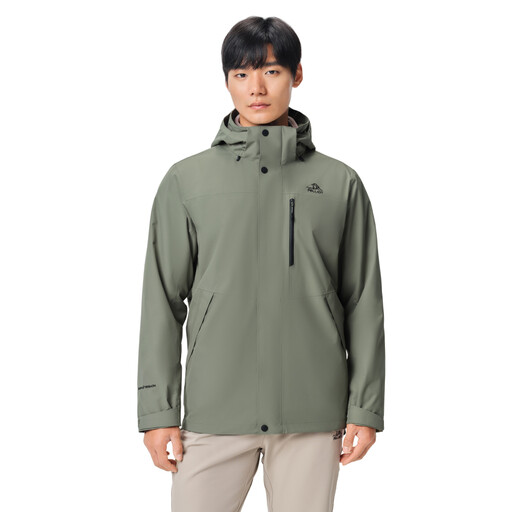
Why it suits this profile: The combination of an outer layer and fleece lining is ideal for camping, winter walks and commuters who want one system for a range of conditions.
The 3-in-1 design means you do not need a separate jacket for every season. According to the product description, the hydrostatic head, MVTR and abrasion resistance are provided as technical figures.
The outer layer and lining can be worn separately or together; stated figures are 35.900 mm H₂O, 16.000 g/m²/24 hours and more than 40.000 abrasion cycles.
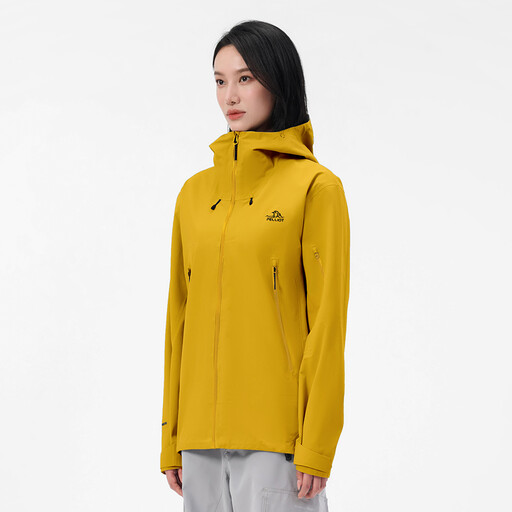
Why it suits this profile: This Rock Shell Pro version is designed for intensive activities, rougher terrain and situations where ventilation and freedom of movement are important.
The longer ventilation zips under the arms provide an additional way to release heat. The product description also mentions windproof, waterproof and abrasion-resistant properties.
More flexible material, ventilation zips under the arms, a zipped sleeve pocket and, according to the product description, a RECCO reflector.
We have put together a complete, up-to-date list of products that fully meet these strict selection criteria and the applicable European safety regulations.
Even a good waterproof walking jacket loses its protective performance if you care for it incorrectly. Close all zips and fastenings before washing, do not use fabric softener and follow the care label. For several of the models mentioned, a cold, gentle machine wash and air-drying are recommended. Avoid direct heat, ironing at high temperatures and dry cleaning when the product instructions advise against them.
Hang the jacket up properly after a wet walk. Only store it once the fabric is completely dry. Also check the hood, cuffs, zips and seams regularly for signs of wear.
Yes, particularly when protection from rain and wind matters more than a soft, lined interior. For cycling, choose a longer back, adjustable cuffs and ventilation options. In cold weather, you can wear a fleece or thin insulating layer underneath.
Its service life depends on how often you wear it, whether you use a rucksack, friction and how well you maintain it. A jacket made from abrasion-resistant material may be suitable for rougher terrain, but no coating remains unchanged indefinitely. Follow the washing instructions and, over time, check whether water still beads on the outer fabric.
A fleece-lined jacket can be versatile if the lining is removable. In summer, wear only the shell; in mild weather, wear just the inner layer; and in cold conditions, wear both together. For intensive activity in mild weather, an unlined, breathable outdoor jacket is often more practical.
