
Vandaag of morgen in huis

Kwaliteit gegarandeerd

Welkomstaanbiedingen ontgrendelen: GRATIS bezorging | Tot 80% korting | Gratis 30 dagen JoyPlus-proefperiode
Download de app
Waterproof bone conduction headphones can be useful for running, cycling, working out and swimming. As they do not completely block the ear, you can often hear your surroundings more clearly than with traditional in-ear earbuds. This is important in traffic, on busy cycle paths and when training outdoors.
However, many models appear more capable on paper than they are in practice. Pay particular attention to these three pitfalls:
The IP code consists of two numbers, or a number and an X. The first part refers to protection against dust, while the second refers to water.
A reference to IP67 waterproof earbuds is therefore not enough to confirm that they are suitable for swimming. Check the manual or product information to see whether swimming is explicitly mentioned. With salt water and chlorine, rinsing with clean water is advisable. Also make sure the magnetic charging contacts are completely dry before connecting the headphones.
For running, commuting and cycling, an open-ear Bluetooth headset is usually sufficient. Your phone remains the source of the music. Check the Bluetooth range, compatibility and whether multipoint is supported if you want to switch between, for example, a smartphone and a laptop.
For sports headphones for swimming, Bluetooth alone is generally not enough. The connection may drop underwater. Headphones with MP3 storage, such as 8 GB or 32 GB according to the product description, play files locally. This means you do not need to keep a phone with you while swimming. However, check which file formats and transfer methods are supported.
A bone conduction model generally rests around or in front of the ear and uses a band, hook or clip to stay in place. Check:
A model for swimming does not have to be the same choice as a model for making calls at the office. For everyday use, Bluetooth sports earbuds with a charging case may be more practical. If you want to continue hearing traffic noise, you may prefer an open design rather than fully enclosing noise-cancelling earbuds. According to a brand’s product description, active noise cancellation may be intended to reduce background noise, but its effect and operation vary from product to product.
The selection below is based on the stated product features, such as water rating, storage, Bluetooth version and microphone. Always check the current specifications and conditions of use on the product page before buying.
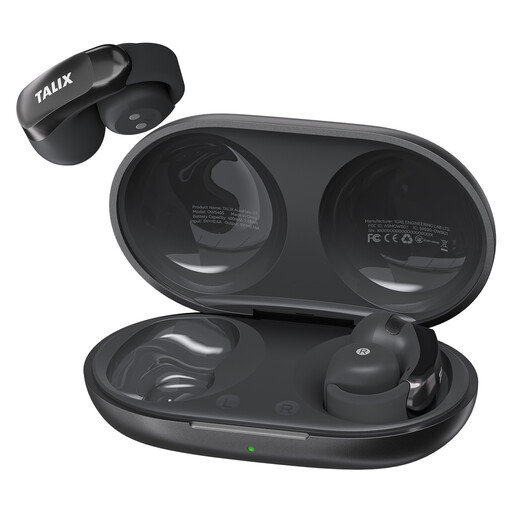
Why it suits this profile: The clip-on design and weight of 5.2 grams per earbud are intended for light everyday use, workouts and commuting.
The IPX4 rating makes it clear that this model is intended for sweat and light rain, not swimming. This sets more realistic expectations for water resistance.
Bluetooth 5.3, 4 microphones according to the product description and up to 28 hours of total use with the charging case.
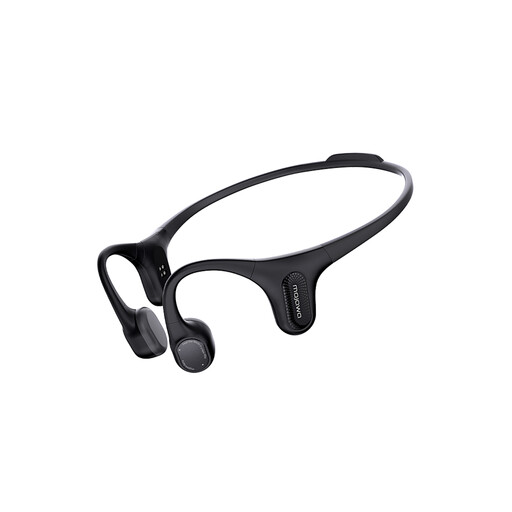
Why it suits this profile: The open-ear bone conduction design with microphone is intended for running, cycling and everyday use where staying aware of your surroundings is important.
The stated IP67 rating is suitable for rain, sweat and dust. The product information does not position this model as swimming headphones, so you are less likely to use it for anything beyond its stated purpose.
Open-ear design, wireless Bluetooth connection, integrated microphone and IP67 rating according to the product description.
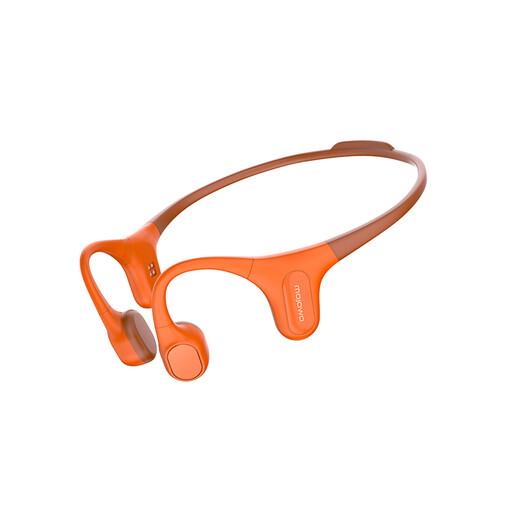
Why it suits this profile: According to the product title, this model is intended for running, swimming, cycling and gym workouts.
The stated IP68 rating and built-in MP3 storage address two familiar problems: exposure to water and Bluetooth dropping out while swimming.
IP68 according to the product title, 32 GB of built-in MP3 storage and open-ear bone conduction for a range of sports activities.
We have put together a complete, up-to-date list of products that fully meet these strict selection criteria and the applicable European safety regulations.
A good choice will remain useful for longer if you follow the instructions:
For products featuring a brand claim, consider the source. According to a brand’s own research, sound quality, noise reduction or battery life may, for example, be described favourably. Before buying, the listed product specifications, manual and specific usage restrictions are more verifiable.
No. Check whether swimming is explicitly mentioned and whether the model has a suitable water rating. Internal MP3 storage is also practical for swimming, as Bluetooth may have limited functionality underwater.
Charge the device, switch on Bluetooth on your phone and hold down the pairing button as instructed in the manual. Then select the headphones from the Bluetooth list. With multipoint, check that both devices are actually connected at the same time.
This depends on battery capacity, volume, temperature and frequency of use. Compare the stated usage time per charge and check whether a charging case or fast-charging function is included. With swimming models, storage use in MP3 mode may produce different results from Bluetooth use.
