
Vandaag of morgen in huis

Kwaliteit gegarandeerd

Welkomstaanbiedingen ontgrendelen: GRATIS bezorging | Tot 80% korting | Gratis 30 dagen JoyPlus-proefperiode
Download de app
A waterproof women’s outdoor jacket needs to cope with more than a brief shower in the Netherlands. On a walk, it can rain, blow hard and turn colder all at once. Whether you are cycling, camping, travelling or commuting, one feature alone is not enough. A jacket needs to keep out water, allow freedom of movement and suit the temperature in which you will be wearing it.
Marketing copy can sometimes make comparisons difficult. Focus mainly on specifications you can verify and on how the jacket is constructed.
A jacket may be described as waterproof without making it clear how the seams, zips and hood have been finished. Check whether it specifies a hydrostatic head rating, membrane or taped seams. Without technical information, it is difficult to assess how well it will protect you from prolonged rain.
A fully sealed outer layer can keep out rain, but strenuous walking also creates heat and moisture inside. When looking for a breathable women’s rain jacket, check the MVTR rating. This indicates how much water vapour the material can let through according to a particular test method. The result depends partly on exertion, clothing layers and weather conditions.
A thick jacket can be comfortable when you are sitting still, but may become too warm during a climb or cycle ride. A women’s 3-in-1 jacket offers greater flexibility because the outer layer and lining can be worn separately or together. However, check that both layers fit together properly and that there is enough room for a base layer.
Hydrostatic head is measured in millimetres, for example 35.900 mm H₂O. According to the product description of the PELLIOT fleece-lined jackets, this value was measured using the JIS method. A higher figure indicates greater resistance to water pressure in that test, but it does not tell you everything about everyday comfort. The seams, zips, cuffs and hood also determine how much protection you experience in practice.
Look for:
An MVTR rating of 16.000 g/m²/24 hours is given in the product information for certain PELLIOT models. According to the product description, this was tested using JIS. Treat it as a technical comparison value, not a guarantee that you will stay dry during every activity. For active walking, it is better to wear several thin layers than one heavy jumper under your jacket.
A women’s windproof jacket benefits from an adjustable hem, hood and cuffs. A fleece lining can add warmth, while a separate shell is lighter and easier to wear over other clothing.
For intensive use, the material and its abrasion resistance are also important. According to the product information, some PELLIOT jackets are stated to have an abrasion resistance of 40.000+ rubbing cycles. This is a test result provided by the brand. It can help when comparing jackets for use with backpacks, branches and rough ground, but it does not indicate exactly how long a jacket will last in your own use.
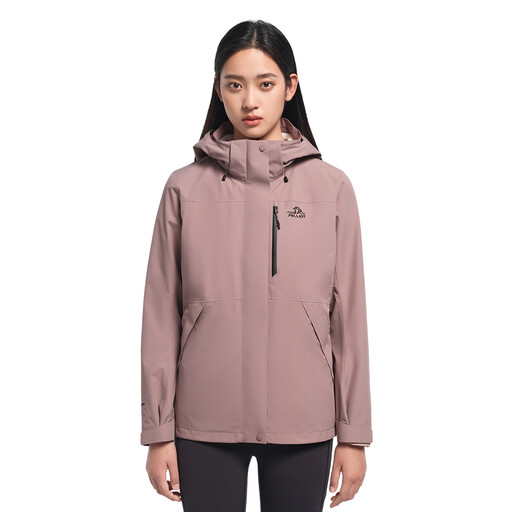
Why it suits this profile: The 3-in-1 design gives beginner walkers several wearing options for rainy days, camping and everyday use.
The product description gives specific hydrostatic head and breathability figures instead of relying only on general claims about weather protection.
According to the product information: 35.900 mm H₂O, MVTR 16.000 g/m²/24 hours, fleece lining and an adjustable fit. Choose the size based on your body measurements and the room you need for layering.
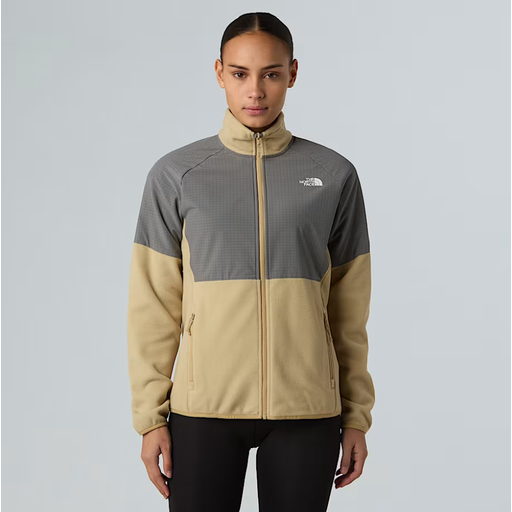
Why it suits this profile: This fleece is designed as a mid-layer and can be combined with a breathable, waterproof outer layer for walking, camping and travelling.
The jacket is not presented as a rain jacket. It is clear that a separate waterproof shell is needed in rainy weather.
According to the product information, it is made from 100% polyester fleece, with a full-length zip, pockets and ribbed cuffs and hem. Suitable as a warm layer under a women’s outdoor jacket.
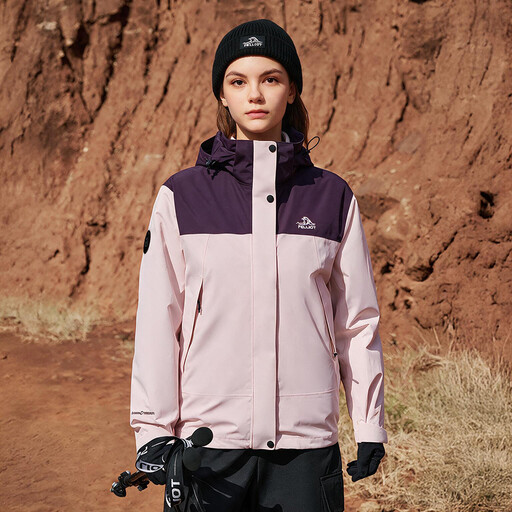
Why it suits this profile: The described 3-in-1 construction is designed for camping, trekking and commuting in changing temperatures.
The product information mentions a microporous membrane, taped seams and separate wearing options. This makes the features easier to verify than a standalone marketing claim.
The shell, lining or combination can be worn separately according to the description. The outer fabric is described as scratch- and abrasion-resistant; always follow the care label.
Do not look only at S, M or L. Check the chest measurement, shoulder width, sleeve length and jacket length. With a 3-in-1 model, the outer and inner jackets may have different measurements. Allow room for a thermal shirt or fleece, but avoid an overly loose fit that lets wind in under the hem.
For a longer lifespan:
A waterproof jacket does not have a fixed lifespan. Intensive use, washing, rubbing against a backpack and exposure to sunlight all affect its performance.
We have put together a complete, up-to-date list of products that fully meet these strict selection criteria and the applicable European safety regulations.
It can be, depending on the insulation, fit and clothing layers underneath. A combination of shell and lining provides more warmth than the outer layer alone. For staying still for long periods in low temperatures, additional thermal clothing may be needed.
Look for a stated MVTR rating and the test method used. Also compare ventilation zips, fit and material. A technical figure is useful for comparison, but your eventual comfort also depends on exertion, humidity and what you are wearing under the jacket.
Follow the care label for the specific product. This usually means washing at a low temperature, fastening the zips, not using bleach and leaving the jacket to air-dry. Damaged coating or a zip that no longer closes properly can reduce protection from rain.
