
Vandaag of morgen in huis

Kwaliteit gegarandeerd

Welkomstaanbiedingen ontgrendelen: GRATIS bezorging | Tot 80% korting | Gratis 30 dagen JoyPlus-proefperiode
Download de app
A waterproof women's outdoor jacket may seem easy to choose at first glance. However, models vary considerably in terms of protection, warmth and fit. A lightweight rain jacket can be ideal for a cycle ride, but may not provide enough warmth on a camping trip. A lined jacket will keep you warmer, but can feel stuffier during a brisk walk.
The right choice therefore depends on more than just colour or brand name. Pay particular attention to the following common pitfalls.
Some product titles mention only waterproofing, without specifying a hydrostatic head rating, membrane or seam construction. Check whether the jacket has taped or sealed seams. Water can enter through stitched seams in particular.
A waterproof jacket is not automatically suitable for prolonged rain. Look at the technical specifications and instructions for use, rather than relying solely on marketing terms.
A fleece-lined women's jacket can be comfortable in cold weather, but ventilation is important for intensive walking. Without breathable fabric or ventilation openings, perspiration can build up on the inside.
A breathable women's rain jacket is generally suitable for changeable weather and active movement. In wintry conditions, combining a shell with an insulating layer may be more practical.
An outdoor jacket is often worn over a shirt, fleece or lightweight jumper. A jacket that is too tight restricts freedom of movement and can put unnecessary strain on the zip or seams. On the other hand, a jacket that is too loose may let wind in.
Measure your chest and compare it with the size chart. Also check the sleeve length, jacket length and room around the shoulders. An adjustable hem, hood and cuffs help you adapt the fit to the weather.
Hydrostatic head is expressed in millimetres, for example 35.900 mm H₂O. This is a laboratory measurement of the pressure the material can withstand. The figure does not tell you everything about everyday use: the quality of the seams, zips, coating and care also plays a role.
According to PELLIOT's product information, the outer layer has a hydrostatic head of 35.900 mm H₂O according to the JIS method. Treat this as a stated product specification from the brand; actual protection also depends on wear, use and care.
Breathability is often expressed as MVTR, for example in grams per square metre per 24 hours. A higher figure may mean that water vapour is carried through the material more effectively, but the fit, clothing layers and outdoor temperature also have an impact.
According to PELLIOT's product information, the stated breathability is 16.000 g/m²/24 hours according to JIS. This may be more than sufficient for a relaxed commute; during intensive hiking, ventilation options and a not-too-warm base layer are equally important.
For a women's windproof walking jacket, an adjustable hood, secure cuffs and a drawcord in the hem are practical details. A mesh lining can improve comfort. A lined inner jacket or fleece lining adds warmth, but often makes the garment heavier and warmer during exertion.
A 3-in-1 jacket offers several options: wear just the outer layer in the rain, just the inner layer in dry, cool weather, or both layers together. Do check how easily the layers attach to one another and whether the combination provides enough room.

Why it suits this profile: This shell is designed for walking, everyday use and changeable weather. According to the product information, the available sizes range from XS to 3XL.
According to the product information, the Quest has fully sealed seams and an adjustable hood. This means you do not have to rely solely on the general term “waterproof”.
2-layer DryVent fabric, mesh lining, two zipped pockets and an adjustable hem. The specifications mentioned come from the product description.
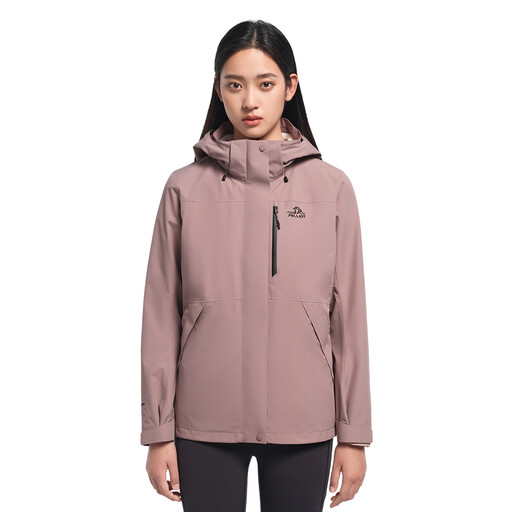
Why it suits this profile: This purple women's outdoor jacket is designed as a 3-in-1 combination for camping, travel, trekking and commuting.
According to the product information, you can wear the shell, lining or both layers. This prevents you from using one very warm jacket in every type of weather.
Stated hydrostatic head of 35.900 mm H₂O, MVTR of 16.000 g/m²/24 hours, adjustable hood and sizes S to XXXL. These figures are brand specifications according to the product information.
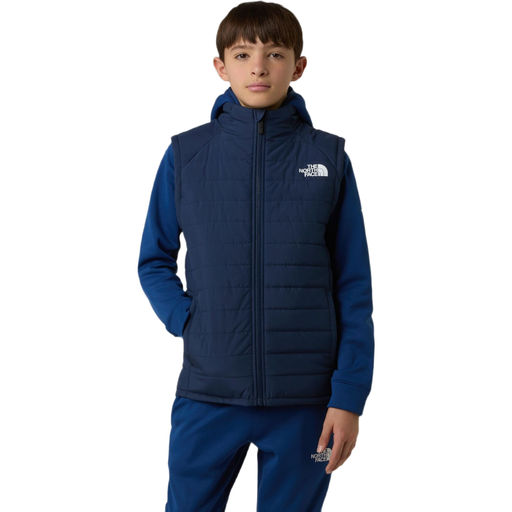
Why it suits this profile: An insulating gilet is a practical additional layer for cold walks, travel and wearing under a waterproof hiking jacket.
This is not a rain jacket, but a separate insulating layer. By keeping the functions distinct, you can combine a shell and warm layer more effectively.
According to the product information, the gilet uses synthetic insulation and WINDWALL fabric for wind protection and comfort.
We have compiled a complete, up-to-date list of products that fully meet these strict selection criteria and the applicable European safety regulations.
Even a good waterproof women's outdoor jacket needs care. Always follow the care label and bear the following points in mind:
A water-repellent outer layer is not the same as a fully waterproof construction. Always check the latest product information and care instructions.
It can be, provided the jacket has an adjustable hood, sufficient freedom of movement and reliable fastenings. For intensive cycling or long rides, breathability and visibility are additional factors to consider.
Its service life depends on how often it is worn, friction, washing and care. The outer water-repellent layer in particular may become less effective over time. Follow the care instructions and check the seams, zips and coating regularly.
That depends on the model and how you use it. A 3-in-1 jacket offers more combinations in one garment, while separate layers can sometimes be easier to replace or adjust individually. So do not compare only the purchase price; also consider warmth, fit, care and how often you will use each layer.
