
Vandaag of morgen in huis

Kwaliteit gegarandeerd

Welkomstaanbiedingen ontgrendelen: GRATIS bezorging | Tot 80% korting | Gratis 30 dagen JoyPlus-proefperiode
Download de app
Wet paths, muddy woodland and changeable weather call for more than a shoe that simply looks sturdy. When buying waterproof walking shoes, many people focus mainly on the word “waterproof” in the title. However, that does not always tell you how long your feet will stay dry, how much grip the sole provides or how comfortable the shoe will be during a long walk.
With this practical guide, you can focus on the features that really matter in the Netherlands. This makes it easier to compare hiking boots for men, women’s walking shoes, high-top walking shoes and other outdoor footwear based on verifiable product information.
A waterproof membrane can help keep out rain and splashes, but moisture can also enter through the tongue, seams or the top edge. When walking through a deep puddle, water can also run into the shoe from above. So check how the waterproofing is described in the product details. Also look for information about the lining, tongue construction and care instructions.
Also pay attention to the difference between waterproof and water-repellent. A water-repellent finish is not automatically suitable for prolonged walking in rain or wet grass.
Walking shoes with good grip generally have a rubber sole with tread lugs. The shape, depth and direction of these lugs partly determine how the shoe responds to mud, loose stones and wet ground. A sole that performs well on woodland paths may behave differently on smooth rock or wet wooden decking.
So consider how you intend to use the shoes. For light walks, trekking shoes or lighter trail running shoes are often sufficient. For hilly terrain, heavy loads or loose ground, hiking boots or high-top walking shoes may be more suitable.
A high shaft can surround the ankle, but it cannot replace a good fit. If the heel lifts or the foot slides forwards, pressure points and blisters are more likely to develop. A shoe should fit securely around the heel and instep, while leaving enough room for the toes to move.
A good walking shoe for wet weather combines a protective outer layer with a lining that helps move moisture outwards. “Breathable walking shoes” will not stay dry inside in every situation: sweat, high temperatures and thick socks all affect comfort.
So check:
The PELLIOT models below are described in the product details as having a breathable and waterproof membrane lining. This is a product claim based on the supplied brand and product information; your actual experience will also depend on fit, use and care.
A rubber outsole with multidirectional or specialised tread lugs can be useful on uneven paths. Look for a tread that is not too shallow for mud, but also not so aggressive that it becomes uncomfortable on paved roads.
For trail runs, a lighter sole construction is often more practical. For walking and backpacking, protection, stability and durability are generally more important than low weight.
Measure your feet at the end of the day, when they often take up slightly more room. Compare the length in millimetres with the brand’s size chart. Wear the socks you intend to use for walking when taking your measurements.
The PELLIOT models state that a larger size is recommended if you fall between two sizes. This can provide extra room on descents, but always check that the heel does not slip. A shoe that is too roomy is not a good solution for ankle support.
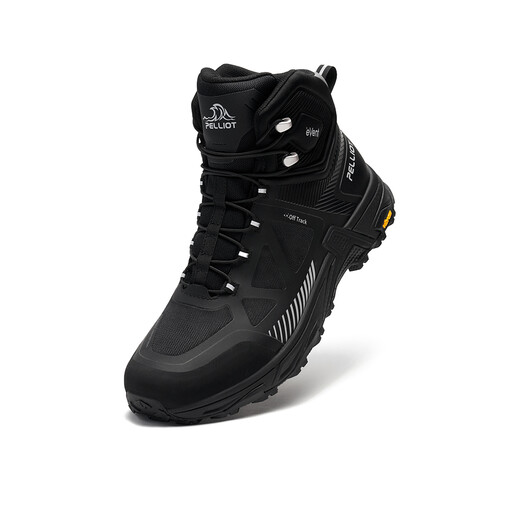
Why it suits this profile: This model is aimed at men who want to combine walks, camping trips and rougher terrain with a high shaft and protective toe cap.
The product description mentions a waterproof, breathable lining and a rubber sole with specialised tread. However, check the sizing and care instructions before ordering.
High shaft, protective toe cap, hard-wearing synthetic exterior and quick-lace system according to the product information.
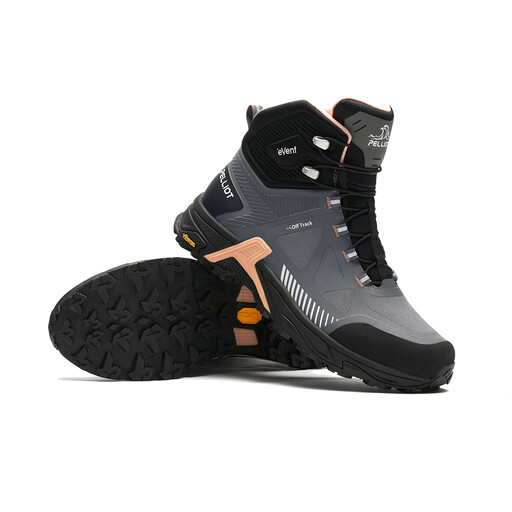
Why it suits this profile: An option for walkers who value a high shaft, protection and grip on longer hikes or camping trips.
The described combination of a protective toe cap, high fit and waterproof membrane lining is well suited to wet, uneven paths. This claim comes from PELLIOT’s product description.
Rubber sole with tread lugs, breathable lining and quick-lace system for an adjustable fastening.
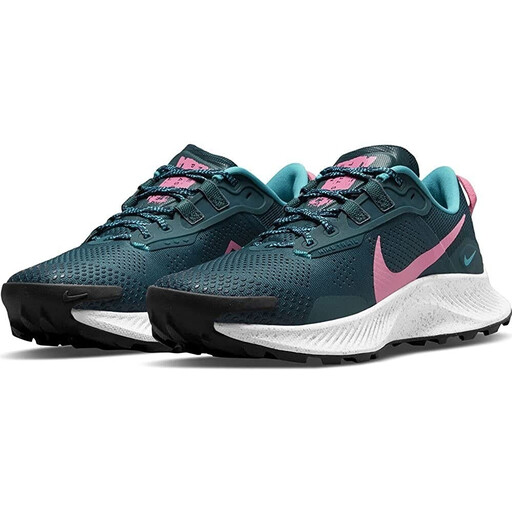
Why it suits this profile: This trail running shoe is suitable for users who value speed, low weight and the flexibility to switch between unpaved paths and urban surfaces.
The shoe is not described as waterproof. This makes it clear that it is an alternative for dry trails and running, not for prolonged rain or deep mud.
React foam in the midsole, breathable mesh upper and rubber sole with multidirectional tread lugs according to the product information.
We have put together a complete, up-to-date list of products that fully meet these strict selection criteria and the applicable European safety regulations.
Waterproof walking shoes also need care. Wipe off mud after use with a damp cloth and mild soap. Allow the shoes to air-dry, away from radiators and other direct heat sources. The PELLIOT product information advises against machine washing and tumble drying.
Check regularly:
Service life depends on walking distance, surface, body weight, load and care. There is therefore no fixed number of kilometres that applies to every walker.
They can be, but a waterproof lining usually allows less air through than a fully open mesh upper. For warm, dry walks, breathable trail running shoes may feel more comfortable. For rain, wet grass and mud, waterproof models provide more protection.
Choose a model with a clearly described waterproof construction, wear suitable walking socks and care for the shoes according to the instructions. Avoid deep puddles that come above the shaft. Over time, also check the seams and the join between the sole and upper.
Not always. Low-cut outdoor shoes are often sufficient on flat paths. A high shaft can be more practical on loose, uneven ground or when carrying a backpack. Fit remains more important than the height of the shoe alone.
