
Vandaag of morgen in huis

Kwaliteit gegarandeerd

Welkomstaanbiedingen ontgrendelen: GRATIS bezorging | Tot 80% korting | Gratis 30 dagen JoyPlus-proefperiode
Download de app
Wet Dutch paths, muddy woodland trails and changeable weather call for different footwear from a walk along a tarmac path. If you focus only on the word waterproof, you could still end up with cold feet, poor grip or blisters. The right choice depends on the terrain, your walking pace, the fit and the protection you need.
In this guide from the Joybuy Product Recommendation Officer, you’ll find out what to look for and which models suit different uses.
A membrane such as GORE-TEX helps keep water out, but a shoe isn’t a boot. Water can get in through the opening around the ankle if you step through deep puddles or wet grass. Sweat and poor ventilation can also leave your feet feeling damp.
So look for:
Deep lugs are useful in mud, loose gravel and soft woodland ground. On tarmac, though, they can feel firmer and less flexible. A sole designed for mixed terrain is often a better choice if your routes take in cycle paths, woodland and unpaved trails.
So don’t just look for the marketing claim “good grip”. Check the type of rubber and the tread pattern. Contagrip soles come in different versions. According to the product information, some are designed for mixed terrain, while others have a more aggressive tread for soft or technical ground.
Low-cut trail shoes are lightweight and flexible, but offer less coverage around the ankle. Mid-height hiking boots can provide more stability and protection on uneven terrain, but generally feel more rigid.
Always check:
GORE-TEX membranes are mentioned in the product information for various Salomon walking shoes as protection against rain and wet conditions. This is useful for walks in the Netherlands, where wet grass and rain are common. A synthetic upper generally dries differently from nubuck or leather. Leather shoes can feel sturdy, but need suitable care.
Check the seams, tongue construction and shoe height too. A low-cut shoe may be suitable for wet paths, but offer less protection if you’re walking through long grass or shallow streams.
For shoes for mud and mountain terrain, deep, clearly defined lugs are useful. For walks on mixed routes, a more even tread pattern and a flexible midsole are often more practical.
Look out for these combinations:
EVA foam is often used in the midsoles of walking and trail shoes. It can provide cushioning without making the shoe heavy. Trail running shoes are usually lighter and more flexible than traditional hiking boots. However, they offer less ankle coverage and sometimes less protection against knocks.
If you walk for long days, don’t judge comfort by the product description alone. Fit, foot width and room for walking socks are just as important.
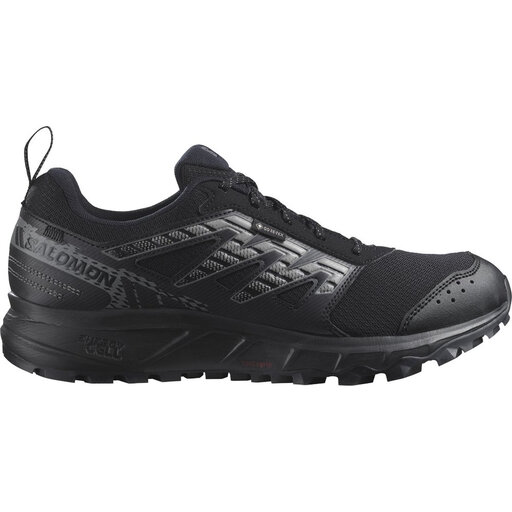
Why it suits this type of walker: A practical choice for everyday walks, leisure trails and changeable weather. The product information lists a GORE-TEX membrane, EVA midsole and Contagrip rubber sole.
The specifications mention both water protection and grip, rather than making a general claim about waterproofing alone.
GORE-TEX membrane, EVA cushioning and Contagrip sole for walks on a variety of surfaces.
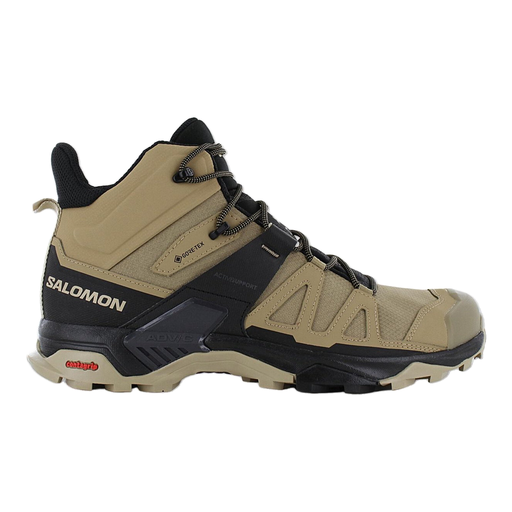
Why it suits this type of walker: Designed for walkers who value a mid-height construction, protection and stability on longer hikes and trekking trips.
The mid-height design and reinforced construction offer more coverage than a low-cut running shoe; just check that the last suits your foot.
GORE-TEX membrane, EnergyCell EVA midsole and Contagrip MA outsole, according to the product description.
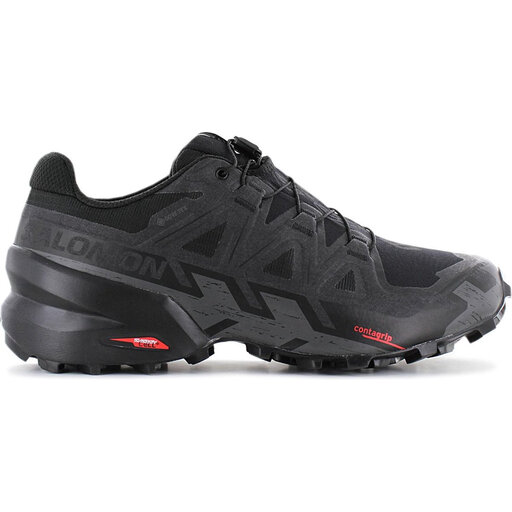
Why it suits this type of walker: For trail runners and walkers who regularly tackle soft, muddy or technical trails and want a pronounced tread pattern.
The tread is clearly designed for soft and technical ground, so you won’t mistake it for an all-purpose road-running shoe.
GORE-TEX membrane, deep Contagrip lugs, Sensifit support and Quicklace closure, according to the product information.
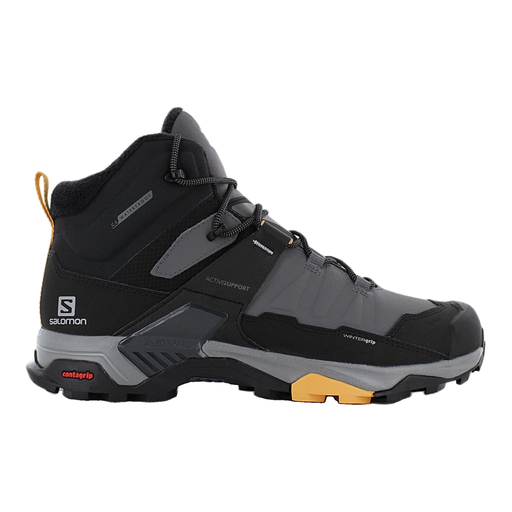
Why it suits this type of walker: Designed for cold walks, snow and wet winter trails, where warmth and extra protection matter.
The product description mentions not only waterproofing, but also Thinsulate insulation and a Winter Contagrip sole.
Warm lining, waterproof construction, mid-height design and Winter Contagrip for snow and ice, according to the product specifications.
We’ve put together a complete, up-to-date list of products that meet these strict selection criteria and the applicable European safety regulations.
Their lifespan depends on use, terrain, weight and care. Mud and salt residue can wear down the upper and sole more quickly. After a walk, clean your shoes with a soft brush or damp cloth. Don’t use a washing machine or tumble dryer if the product label advises against it.
Leave shoes to dry naturally, away from radiators and direct heat. Leather models need a cleaning or care product suitable for nubuck or leather. Check the sole, seams and lining regularly. Worn tread or parts coming loose are signs that it’s time to replace your pair.
They can be, especially if you spend a lot of time outdoors in rainy weather. A model with a flexible sole and moderate lugs is more practical for everyday use than a heavy shoe designed for technical mountain terrain. Consider ventilation and weight too.
According to the product information from the brands concerned, GORE-TEX is designed to provide water protection. The level of protection also depends on the condition of the membrane, the seams, the shoe opening and how well the shoes are maintained. In deep puddles, water can still get in over the top.
Choose trail running shoes if you want to move quickly and lightly over unpaved trails and don’t need much ankle coverage. Hiking boots are better suited to longer walks, a heavy rucksack or terrain where extra stability and protection are important. For snow and low temperatures, insulated winter walking boots with a winter tread are a sensible choice.
