
Vandaag of morgen in huis

Kwaliteit gegarandeerd

Welkomstaanbiedingen ontgrendelen: GRATIS bezorging | Tot 80% korting | Gratis 30 dagen JoyPlus-proefperiode
Download de app
Wet socks, slippery soles and sore ankles can quickly make a walk unpleasant. But a pair of waterproof walking boots is not automatically right for every route. A lightweight trail shoe may feel comfortable on woodland paths but offer less support on rocky trails. A high leather boot protects your ankle better, but may be heavier and less flexible.
Watch out for marketing claims, too. “Waterproof”, “all terrain” and “extreme grip” don’t tell you much if the product specifications are missing. Use these checks to compare waterproof walking boots, GORE-TEX walking boots and trail models in a practical way.
An upper made from leather or synthetic material may repel water for a while. That doesn’t automatically mean the boot will stay waterproof for extended periods. Check whether the product description specifies a waterproof membrane, a welded construction or another specific form of protection.
For example, the Nike Manoa is described as having a water-repellent construction. That may suit rainy days and winter wear, but it’s not the same as an explicitly stated GORE-TEX lining. The difference matters if you’re planning long walks through wet grass or puddles.
An aggressive tread can help in mud, but may feel less flexible on tarmac or hard cycle paths. Conversely, a relatively flat tread may feel comfortable around town but offer less grip on loose earth.
So check which terrain the manufacturer says the sole is designed for: mud, wet rocks, snow, tarmac or mixed ground. “Good grip” is only useful if the tread and intended use are clear.
A boot that’s too roomy will slip, while one that’s too tight can create pressure points around your toes. Thick socks won’t fix the wrong length or shape. Measure your feet at the end of the day and compare the result with the size chart for the specific model.
If you have wide feet, look for labels such as “Wide”. A high walking boot should also fit securely around your heel and ankle without pinching.
According to the product description, a GORE-TEX walking boot contains a membrane designed to keep moisture out while allowing air to circulate. This is a product specification, not a guarantee that your feet will stay dry in every situation. Water can still get in through the tongue, the boot’s upper or the opening at the top.
So check:
When choosing walking boots with good grip, the tread pattern, rubber compound and intended use are more relevant than a general marketing claim. Deep lugs can be practical in mud and loose ground. On wet rocks or slippery roots, though, your walking technique still matters.
The Salomon models in this selection list a Contagrip sole. Compare the height, tread and weight of each model. A trail running shoe is generally lower and more flexible than a mid-cut trekking boot.
Choose a low-cut model if you mainly want to move quickly on well-maintained paths. A mid-cut model can provide more coverage around your ankle on uneven ground. That doesn’t mean every high-cut boot automatically offers more stability: fit, sole and lacing all play a part.
For men’s and women’s outdoor boots, sizing and shape matter more than the label itself. Check the available size, foot length and whether a wide fit is offered.
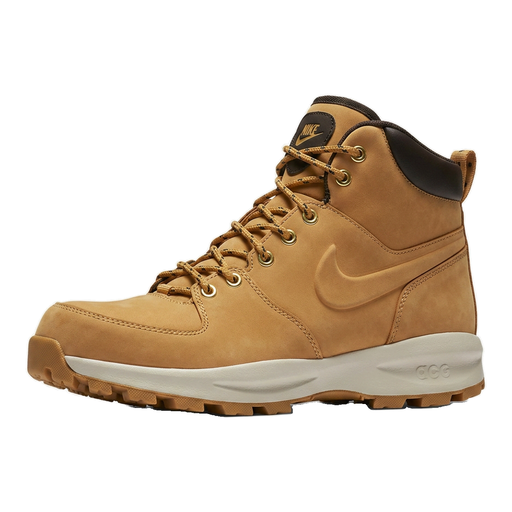
Why it suits this profile: The high-cut design and padded insole make it a good match for everyday winter wear, short walks and light adventurous routes. Please note: the product description says water-repellent, not that it has a fully waterproof membrane.
The description makes the difference between water-repellent and waterproof clear. That way, you won’t buy this model expecting it to cope with deep puddles.
Nubuck leather, rubber outsole, high-cut design and padded polyurethane foam sole, according to the product information.

Why it suits this profile: According to the product description, this mid-cut model is designed for longer walks and wider feet. It’s a good fit for hikers who want to combine support, water protection and room in the toe box.
The wide fit helps prevent you from buying a standard-fit boot that’s too small. The description lists GORE-TEX, mid-cut support and a Contagrip sole separately.
Wide fit, GORE-TEX membrane, Contagrip rubber and ADV-C chassis, according to the product specifications provided.
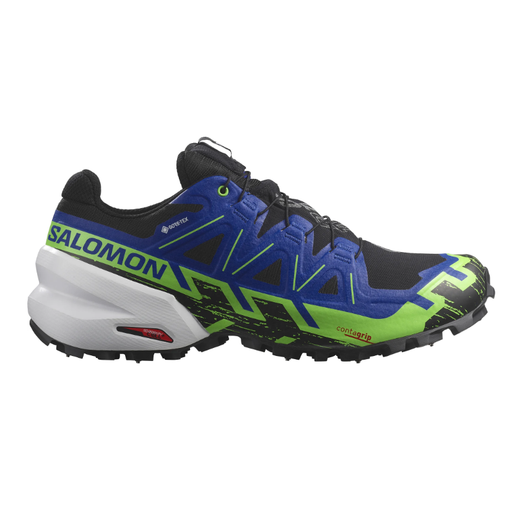
Why it suits this profile: For winter walkers and trail runners who regularly encounter snow or ice, the product description specifies a GORE-TEX construction and twelve tungsten spikes.
The spikes are clearly specified, so it’s obvious this isn’t an all-purpose walking shoe for tarmac. Don’t wear them on floors where metal studs could cause damage.
Full GORE-TEX protection according to the product description, plus twelve tungsten spikes for winter terrain.
We’ve put together a complete, up-to-date list of products that meet these strict selection criteria and the applicable European safety regulations.
Rinse off mud with lukewarm water after a walk and use a soft brush. Leave your boots to dry naturally, away from radiators and direct heat. Heat can damage leather, glue and membranes. Don’t machine-wash walking boots unless the manufacturer expressly says you can.
Check the soles, seams and heel lining regularly. A heavily worn tread or seams coming apart are signs that it’s time to replace your boots. For these product listings, the statutory EU guarantee is at least two years; this is separate from normal wear and tear or damage caused by improper care.
Not in every situation. GORE-TEX is a technical product specification for a membrane, but water can get in through openings, the tongue, damage or over the top of the boot. Check the condition of your boots, too, and wear trousers over the top of them in heavy rain.
For mud, a clearly defined tread and a secure fit are important. A higher boot can provide extra coverage in snow. For ice, the Salomon Spikecross 6 GTX has twelve tungsten spikes in the sole. This makes it more specialised than regular winter walking boots, but less suitable for everyday use on hard floors.
Measure both feet while standing and use the longer foot as your guide. Leave some room around your toes, especially for downhill sections and thicker walking socks. Then compare your foot length with the size chart for your chosen model. If you have wide feet, a Wide fit may give you more room, but fit is still a personal choice.
