
Vandaag of morgen in huis

Kwaliteit gegarandeerd

Welkomstaanbiedingen ontgrendelen: GRATIS bezorging | Tot 80% korting | Gratis 30 dagen JoyPlus-proefperiode
Download de app
A waterproof unisex hardshell jacket may seem easy to choose at first glance. However, attractive product photos and terms such as “storm-proof” or “extremely breathable” can hide important differences. For Dutch walkers, cycle commuters and campers, prolonged rain, strong winds, layering and intensive activity are the key considerations.
So watch out for these three common pitfalls:
A technical shell jacket should keep the rain out, but check how the manufacturer describes this. A hydrostatic head rating in millimetres provides a measurable indication of the pressure the fabric can withstand. The construction also matters: fully taped seams generally provide more protection than a water-repellent outer layer alone.
According to their own product descriptions, the PELLIOT models are described as stormproof, waterproof and wind-resistant. As no specific hydrostatic head rating is provided in this product information, it is sensible to assess the jacket primarily according to its intended use and the other specifications. This may provide sufficient guidance for commuting and walks; for prolonged exposure in severe mountain weather, you will want to check more technical data.
A breathable waterproof jacket helps move moist air from the inside to the outside. Manufacturers use various measurement methods for this, such as MVTR. A higher figure means greater moisture vapour transport in that particular measurement context, but values are not always directly comparable between brands.
According to PELLIOT’s own product information, the hardshell jackets feature a moisture-permeable construction that helps move perspiration away during activity. No medical claims are associated with this. Also look at:
If you are looking for a windproof outdoor jacket for everyday use, a good balance between protection and freedom of movement is often more important than a single breathability claim.
A hard-wearing waterproof jacket is useful when you are walking with a rucksack, passing branches or travelling regularly. The PELLIOT product descriptions mention a hard-wearing nylon outer fabric or a polyester blend with waterproof laminate. One model also states that the shell fabric contains recycled material. This is information provided by the manufacturer; always check the current specifications on the product page when buying.
Pay attention to the sizing. For example, the purple PELLIOT model lists chest measurements from 108 to 130 cm for sizes XS to XXL. For the black and green hardshell models, the stated chest measurements range from 109 to 139 cm for sizes XS to XXL. Measure a jacket that fits well and compare those measurements with the size chart. If you plan to wear thick mid-layers, the product information suggests that you may wish to choose one size larger.
Care affects the jacket’s lifespan. Fasten the zips before washing, use a delicate cycle and avoid bleach and fabric softener. Some models must not be tumble-dried and should be air-dried away from direct heat.
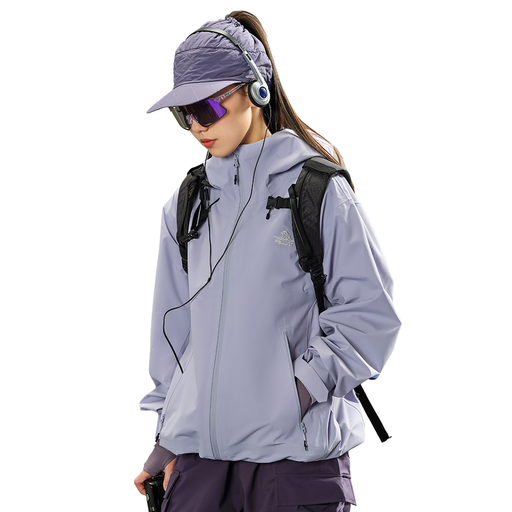
Why it suits this profile: The purple size M is a practical choice for walking, travelling and everyday use when you want one versatile outdoor jacket.
The product information mentions both waterproof and wind-resistant properties and provides a specific size chart, so you do not have to judge it on appearance alone.
Waterproof laminate construction, mesh or technical fabric on the inside, and a stated chest measurement of 116 cm in M.
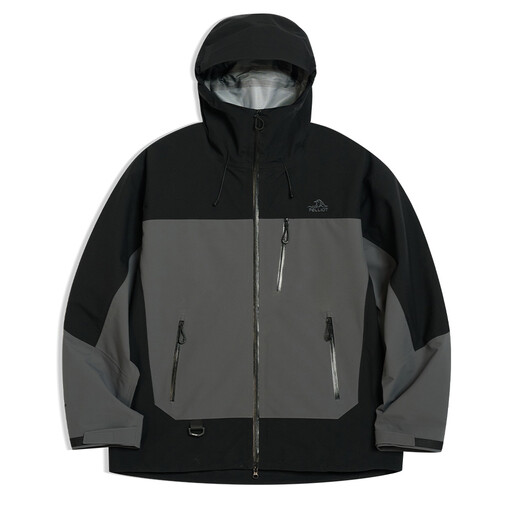
Why it suits this profile: The black size L is suitable for anyone looking for a jacket for camping and travelling, with room for layers and a neutral colour that works in the city and on the trail.
The product page includes a size chart as well as height and weight guidance. This helps you choose between a close fit and room for a mid-layer.
According to its own product description, the outer fabric is waterproof, breathable, windproof and hard-wearing; the chest measurement in L is stated as 127 cm.
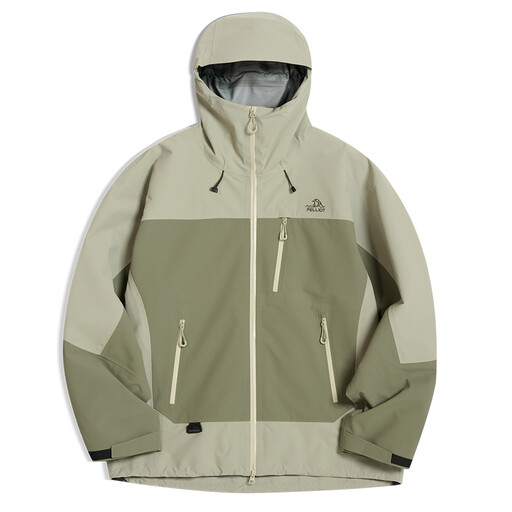
Why it suits this profile: This green size M is ideal for active walkers and campers who want to combine a waterproof trekking jacket for rougher terrain with a striking colour.
The description explicitly mentions wind-resistant and hard-wearing material. This is better suited to branches, rocky paths and use with a rucksack than a thin urban waterproof jacket.
Stated chest measurement of 121 cm in M, waterproof outer fabric and care instructions for cold washing on a delicate cycle.
We have compiled a complete, up-to-date list of products that fully meet these strict selection criteria and the applicable European safety regulations.
Yes, a hardshell can be suitable for cycling and commuting in rain and wind. Look for a sufficiently long back, adjustable cuffs and enough room to move your arms. Ventilation is particularly important for intensive cycling, as you build up heat and moisture more quickly than during a leisurely walk.
Its lifespan depends on use, friction, washing and storage. A durable walking jacket with hard-wearing outer fabric may last longer with regular use, but the water-repellent finish and seams may need maintenance over time. Wash it according to the care label, do not use fabric softener and store the jacket when dry. Check the zips, seams and coating before every trip.
For light activity, wear a breathable base layer. In lower temperatures, add a fleece or thin insulating layer. Avoid cotton during active trips, as it can retain moisture. So choose the size of your women’s and men’s outdoor jacket based not only on your body measurements, but also on the layers and freedom of movement you want.
