
Vandaag of morgen in huis

Kwaliteit gegarandeerd

Welkomstaanbiedingen ontgrendelen: GRATIS bezorging | Tot 80% korting | Gratis 30 dagen JoyPlus-proefperiode
Download de app
Wet woodland paths, muddy slopes and changeable weather demand more from your shoes than a sturdy look. When choosing waterproof trail and walking shoes, the main considerations are protection, grip, fit and the terrain you’ll be using them on. A shoe that feels comfortable on a walk around town isn’t automatically suitable for a technical trail.
These are some common pitfalls:
A GORE-TEX membrane is used in several Salomon trail running shoes and Salomon walking shoes. According to the product descriptions, this membrane is designed to keep water out while allowing moisture vapour to escape. That’s useful in the rain and on wet grass, but it can’t guarantee that water won’t get in through the collar.
Also look for:
If you’re looking for waterproof running shoes, check whether the model is designed for running, walking or both. A trail model is often sturdier than a standard running shoe, but may also feel warmer or heavier.
For shoes for muddy trails, deep, clearly separated lugs are useful. They can shed mud more effectively than a shallower tread. On wet rocks or tarmac, you’ll want a sole that feels predictable as well as providing plenty of grip.
Check the product information for:
A model with 12 tungsten spikes, such as the Salomon Spikecross 6 GTX, is designed for snow and ice. That doesn’t automatically make it practical for everyday walks or use on paved cycle paths.
A low-cut trail running shoe generally allows more freedom of movement. A mid-cut model can offer extra ankle coverage and a more stable feel. This can be useful on long walks, uneven paths and when carrying a rucksack.
Measure your feet at the end of the day, when they may be slightly swollen. Try shoes on with your walking socks and check that:
Women’s trail running shoes are often shaped differently from men’s walking shoes. So don’t rely on the label alone: check the size chart and how the shoe actually fits your foot.
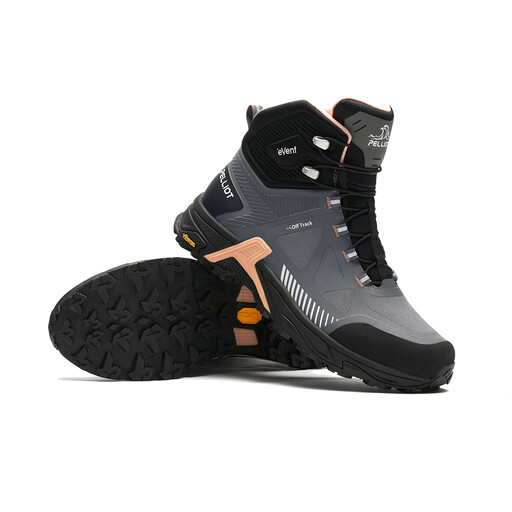
Why it suits this type of walker: The higher collar and protective toe make these boots suitable for walkers who mainly go on day hikes, camping trips and uneven paths.
The product description mentions a waterproof membrane, protective toe and high-grip tread. Be sure to check the size before ordering.
Mid-cut design, synthetic materials and a rubber sole with a specialised lug pattern.

Why it suits this type of walker: According to the product specifications, this model combines GORE-TEX, a 3D Advanced Chassis and a Contagrip sole for technical terrain.
The stated stability features help ensure your choice isn’t based on cushioning or waterproofing alone.
GORE-TEX membrane, 3D Advanced Chassis, Quicklace fastening and reinforced toe and heel.
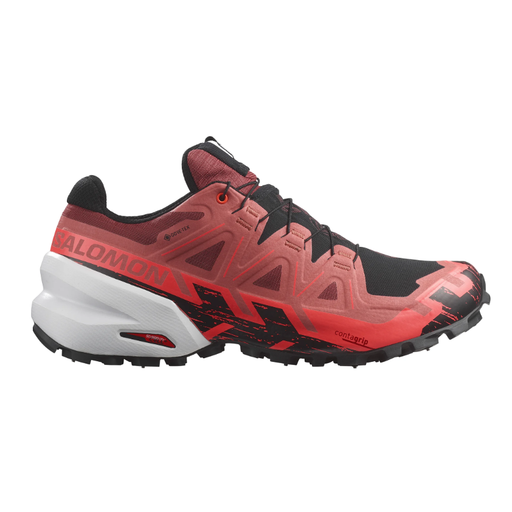
Why it suits this type of walker: This is a specialist choice for winter trail running and walks on snow or ice, not for every type of terrain.
The 12 tungsten spikes make it clear what these shoes are designed for. That way, you won’t buy an ordinary shoe for conditions it isn’t made to handle.
GORE-TEX construction, Speedcross fit and 12 metal spikes for winter terrain.
We’ve put together a full, up-to-date list of products that meet these strict selection criteria and the applicable European safety requirements.
After a muddy outing, clean your trail and walking shoes with a soft brush and lukewarm water. Always follow the care label. Many models shouldn’t be put in the washing machine or tumble dryer, or left right next to a radiator. Heat can damage materials, adhesive bonds and membranes.
Leave your shoes to air-dry completely before putting them away. Check them regularly for:
The statutory guarantee in the European Union for these products is at least two years, although your exact rights depend on the circumstances and applicable national rules. The guarantee doesn’t cover normal wear and tear from use.
They can be, as long as the fit, cushioning and stability suit your feet and walking style. If you’re carrying a heavy rucksack or need extra ankle support, a mid-cut walking shoe may be more suitable. Also check that the sole is designed for the terrain you’ll be walking on.
Their lifespan depends on distance, terrain, body weight, care and storage. Frequent walking on stone and tarmac wears down the sole more quickly than walking on soft woodland paths. Replace your shoes when the tread is clearly worn down or the construction no longer provides good support.
Not always. A deep, aggressive tread can work well on muddy trails, but may feel less comfortable on hard ground. Choose a tread to suit the routes you walk most often, and only use winter models with spikes when conditions call for them.
