
Vandaag of morgen in huis

Kwaliteit gegarandeerd

Welkomstaanbiedingen ontgrendelen: GRATIS bezorging | Tot 80% korting | Gratis 30 dagen JoyPlus-proefperiode
Download de app
Trail running often means unpredictable weather and muddy paths. A good pair of waterproof trail running shoes isn't a luxury—it's a necessity. However, the market is flooded with models that promise the world. Many runners fall into the same traps, ending up with expensive shoes that deliver nothing but blisters, disappointment, and wet socks.
As a Joybuy Product Recommendation Officer, I see where things go wrong every day. Before you invest, it's crucial to see through the marketing hype. These are the most common pitfalls:
To avoid a bad purchase, focus on the specifications that truly matter. Don't get distracted by flashy colours or marketing terms.
The core of a good waterproof shoe is its membrane. A coating wears off, but a membrane is a physical layer within the shoe.
The sole determines where you can run with confidence. Look beyond just the depth of the tread.
A trail running shoe must hold your foot securely in place to prevent ankle twists on uneven terrain. The fit is crucial here. Brands often develop specific lasts for women's trail shoes and men's trail shoes, as foot anatomy differs. Technologies like SensiFit from Salomon envelop the foot for a precise and secure fit. For technical terrain, a 3D Advanced Chassis can provide extra stability by controlling the shoe's torsion.
Not every shoe is for every runner. Below is a selection tailored to specific profiles, based on their objective features.
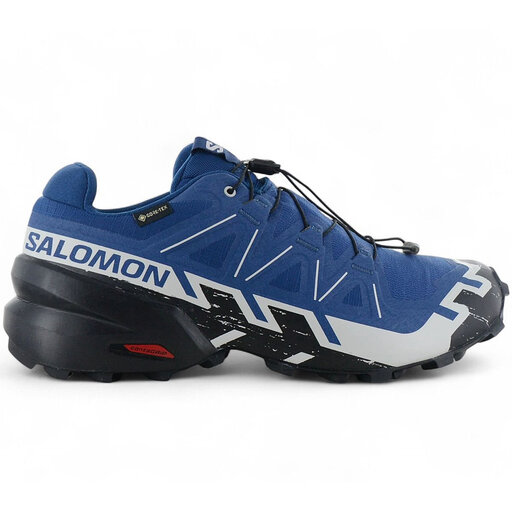
Why This Fits Their Persona: Ideal for the typical trail runner who primarily runs on soft, muddy forest and dune paths. This shoe is a classic for those who prioritise grip in wet conditions.
The Gore-Tex membrane ensures both waterproofness and breathability, preventing sweaty feet. The aggressive Contagrip sole is specifically designed for soft ground and is not a 'one-size-fits-all' solution.
Excellent grip on mud and soft ground. The SensiFit construction and Quicklace system provide a snug and stable fit.
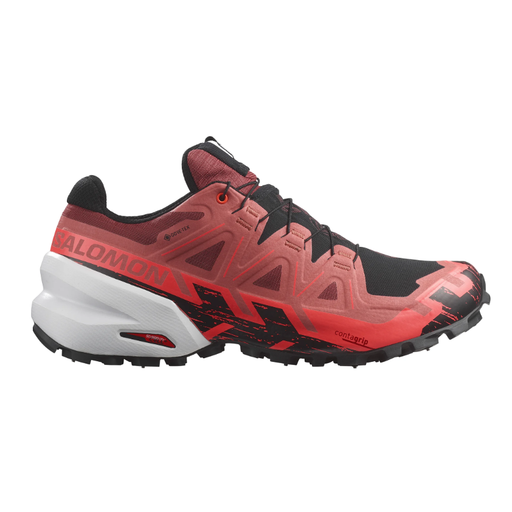
Why This Fits Their Persona: For the runner who isn't deterred by freezing temperatures, snow, or ice. This is a specialist shoe for maximum safety and performance during the harshest winter months.
This model bypasses the 'more grip is better' trap by using spikes functionally for a specific purpose: ice. It's not an all-rounder but an expert for winter conditions, justifying its higher specialisation.
The 12 integrated tungsten spikes provide reliable traction on ice and hard-packed snow. Full Gore-Tex protection keeps feet dry and warm.
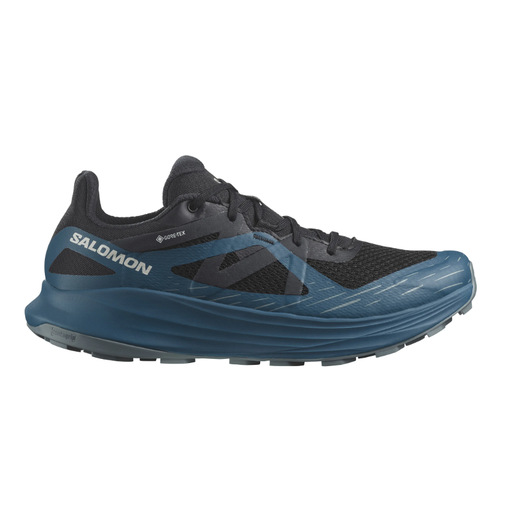
Why This Fits Their Persona: For the runner who starts from home, runs a stretch on asphalt, and then heads into the woods. This shoe combines cushioning for hard surfaces with grip for light trails.
This shoe avoids the 'one-size-fits-all' illusion by specialising in the road-to-trail transition. The tread is not overly aggressive, so it remains comfortable on the road and doesn't wear down unnecessarily fast.
A good balance between cushioning and grip for mixed terrain. The higher stack height provides comfort comparable to a road shoe, while the Gore-Tex protection offers defence against wet weather.
We have compiled a complete, up-to-date list of products that fully meet these strict selection criteria and current regulations.
The lifespan of a Gore-Tex membrane heavily depends on use and maintenance. With regular use (2-3 times a week) and proper care (cleaning off mud, allowing to air dry), you can expect the membrane to remain effective for the lifespan of the shoe, which is typically 500 to 800 kilometres (about 300 to 500 miles). Folds and creases from intensive use can eventually compromise the waterproofing.
This is a common tip, but not always correct. While the Gore-Tex membrane can take up a little extra volume, it's best to use your normal running shoe size as a starting point. Ideally, try on the shoes at the end of the day when your feet are slightly swollen, and wear the same socks you use for running. You should have about a thumb's width of space at your toes.
Yes, you can, but it's a trade-off. Modern Gore-Tex running shoes are significantly more breathable than older models. On a hot, dry summer day, a non-waterproof shoe with more ventilation might be more comfortable. However, for a summer downpour in the woods or a run through wet morning grass, a waterproof shoe provides a solution without causing your feet to overheat immediately.
