
Vandaag of morgen in huis

Kwaliteit gegarandeerd

Welkomstaanbiedingen ontgrendelen: GRATIS bezorging | Tot 80% korting | Gratis 30 dagen JoyPlus-proefperiode
Download de app
Wet Dutch paths place high demands on your shoes. Mud, rain, tree roots and loose stones require more than just a water-repellent outer layer. Even so, it can be difficult to translate marketing claims into everyday use. With this guide to waterproof trail running shoes, you’ll see which features really matter and which purchasing mistakes are best avoided.
A GORE-TEX membrane or water-repellent construction can help keep out rain and splashes. That does not mean a shoe is suitable for standing in water for long periods. Water can also enter through the tongue, ankle opening or above the shoe’s collar.
So look for the right combination of:
Deep lugs may seem appealing for muddy trails, but a highly aggressive tread can feel less comfortable on tarmac or hard-packed woodland paths. For mixed routes, a sole with a versatile lug pattern is often more practical.
Also check the outsole material. The product information for various Salomon models, for example, mentions Contagrip outsoles. According to the manufacturer, these are designed to provide grip across a range of terrains. Treat this as a product specification, not a guarantee that you cannot slip on any surface.
High-cut and mid-cut models provide more coverage around the ankle, but they can feel heavier and less flexible. Extra support can be useful for long walks and technical routes. For fast trail runs on well-maintained paths, many users prefer a lower-cut model.
So think about how you’ll use them first: are you looking for men’s trail running shoes or women’s trail running shoes, shoes for muddy trails, or a pair for walking and everyday use?
With GORE-TEX trail running shoes, the membrane is an important part of the construction. The product descriptions for the Salomon models mention GORE-TEX as a waterproof and breathable layer. Its practical performance also depends on the condition of the shoe, the seams, the tongue and how well it is maintained.
A leather model such as the Nike Manoa 454350 has, according to the product information, a nubuck leather upper and a water-repellent construction. This makes it an appealing option for winter walks and everyday outdoor use, but the description does not position it as a technical trail running shoe.
On wet Dutch paths, shoes with good grip depend mainly on:
Deep grooves are usually useful on soft, loose or muddy ground. If you often switch between tarmac and woodland paths, it is better to look for a mixed-terrain sole. According to the product information, the Salomon Ultra Flow GTX, for example, is positioned for the transition between road and trail.
Whenever possible, try on trail running shoes with the socks you’ll wear while running. Leave a little room around your toes for descents, but make sure your foot does not slide forwards. A secure heel hold and correctly adjusted laces help prevent blisters and instability.
A wide foot does not automatically mean you need a larger size. A model such as the Salomon X Ultra 4 Mid Wide GTX is specifically made with a wider fit, according to the product description. This may be more comfortable than simply choosing a standard model in a longer size.
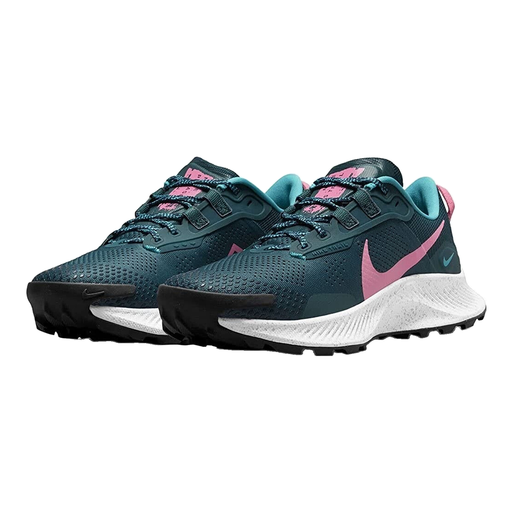
Why it suits this profile: According to the product information, this is a versatile model for trail running, urban routes and outdoor activities. The combination of mesh, React cushioning and a rubber sole makes it suitable for beginners who want to try different surfaces.
The description does not mention a GORE-TEX membrane. This makes it clear that the model does not offer the same waterproof profile as the GTX models in this selection.
React foam in the midsole; multidirectional lugs; reinforced toe and heel.
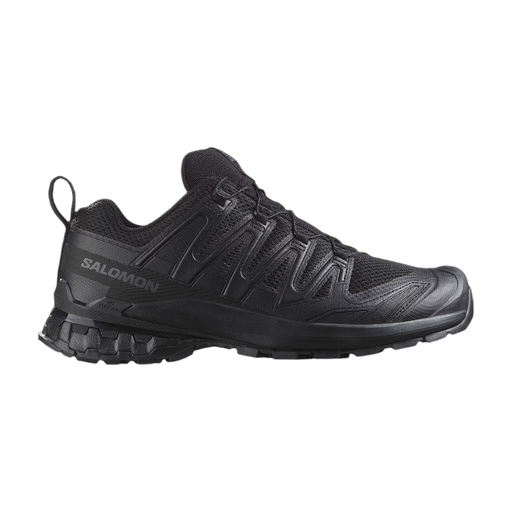
Why it suits this profile: According to the product information, this model is designed for technical trails and hiking. Its construction combines GORE-TEX, a 3D Advanced Chassis and Quicklace.
The specifications mention both protection and stability, rather than focusing solely on a waterproof outer layer.
GORE-TEX membrane; 3D Advanced Chassis; Contagrip sole; reinforced toe and heel.
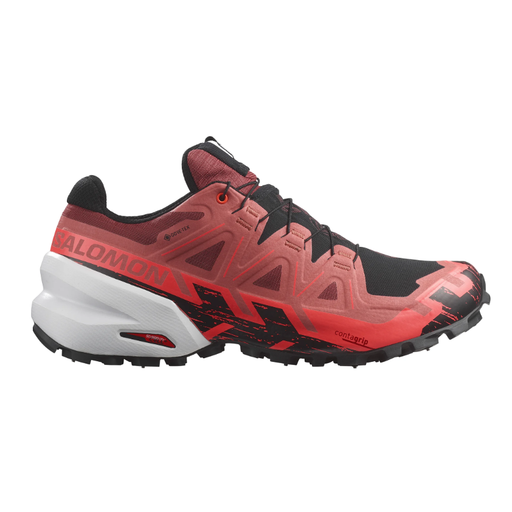
Why it suits this profile: According to the product information, this is a winter model for snow, ice and cold outdoor conditions. It is designed for users who continue training specifically during winter.
The spikes make the intended use clear. This is not an all-purpose shoe for everyday tarmac, but a model for winter surfaces.
GORE-TEX according to the product description; 12 tungsten spikes; Speedcross fit; synthetic construction.

Why it suits this profile: According to the product information, this mid-cut model is intended for hiking, trekking and longer outdoor activities. The Wide version is designed for wider feet.
A wide version prevents you from simply buying a standard model in a larger size, which could leave too much room around your toes.
Wide fit; GORE-TEX according to the product description; mid-cut collar; Contagrip sole.
Remove mud after use with a soft brush and let your shoes dry at room temperature. Do not place them on a radiator or use a tumble dryer; heat can damage the glue, leather and membranes. Only wash waterproof walking shoes and trail models in accordance with the care label.
Lifespan depends on distance walked, terrain, body weight, rotation and maintenance. Check the lugs, seams, heel lining and sole regularly. When the tread is visibly worn or the fit changes, practical grip and stability decrease. According to the product information for the models mentioned, the statutory guarantee is at least two years under EU consumer rules; this is separate from normal wear and tear.
We’ve put together a complete, up-to-date list of products that fully meet these strict selection criteria and the applicable European safety regulations.
They can be, but pay attention to the tread and flexibility. An aggressive trail sole is primarily designed for loose or muddy ground and can wear down more quickly on tarmac. For everyday use, versatile outdoor shoes or mixed-terrain models are often more practical.
According to the product descriptions, the GTX models mentioned feature a GORE-TEX membrane that provides protection against water. Actual protection also depends on the condition of the membrane, the seams, the lace opening and the height of the shoe. No low-cut model can prevent water entering from above.
As well as the purchase price, maintenance, socks and any replacement are important costs to consider. A pair that you alternate with a second pair has longer to dry and may remain usable for longer. Above all, choose a model suited to your terrain: a winter model with spikes is not necessary for ordinary woodland walks, while a lightweight trail shoe may be less suitable for ice or deep mud.
