
Vandaag of morgen in huis

Kwaliteit gegarandeerd

Welkomstaanbiedingen ontgrendelen: GRATIS bezorging | Tot 80% korting | Gratis 30 dagen JoyPlus-proefperiode
Download de app
Wet feet, slipping soles and shoes that lose their shape after just a few walks: these are familiar problems during outdoor activities in the Netherlands. When looking for waterproof outdoor shoes for men, shoppers often focus first on the brand, colour or discount. Yet it is mainly the construction, fit and sole that determine whether a pair is suitable for woodland paths, mud, long walks or trail running.
When comparing waterproof walking shoes for men, therefore, do not focus solely on the product name. Below, you will find the key features to look for, common pitfalls and practical recommendations for different uses.
A water-repellent outer layer helps protect against light rain, but it does not automatically offer the same protection as an integrated membrane construction. Products with a GORE-TEX membrane are described in the product information as suitable for wet conditions. That still does not mean the shoes are designed to be kept underwater for long periods.
Also check the shoe height. Water can enter through the opening when you walk through deep puddles, even if the material itself keeps moisture out.
Deep lugs are useful for shoes for mud and rough terrain, but they can be less comfortable on asphalt or hard paving. A mixed sole is more practical for walks that alternate between cycle paths, woodland and gravel.
Look at the sole material and lug pattern. Several Salomon models mention a Contagrip sole for grip on wet, dry or uneven ground. This is a verifiable product specification, but the actual grip also depends on mud depth, wear and walking technique.
A shoe with a stability plate, cushioning and waterproof lining will still be uncomfortable if the heel slips or the forefoot is too narrow. Ideally, measure your feet at the end of the day and wear the socks you use for walking.
Pay attention to the following:
A GORE-TEX lining is listed for several models in this selection as protection against rain and moisture. The outer usually consists of synthetic mesh, textile, leather or a combination of these materials. Synthetic mesh is generally lightweight and flexible. Leather or suede, according to the product description, provides additional structure and durability, but requires more maintenance.
A membrane can reduce ventilation in warm weather. For dry summer days, men's non-waterproof trail running shoes may therefore feel more comfortable. For autumn, winter and wet woodland, waterproof models are the more logical choice.
Low-cut shoes provide greater freedom of movement and are suitable for trail running or light walks. A mid-cut model covers more of the ankle and can provide greater support on uneven paths. This is not a guarantee against twisting your ankle, but it is still a relevant construction choice.
For long walks and trekking, a stable midsole, sturdy heel counter and protected toe box are useful features. The product descriptions for models such as the X Ward Leather Mid GTX and X Ultra 4 Mid Wide GTX mention features including a mid-cut design, reinforced toe and heel, and a stability system.
Those who mainly run often focus on weight, energy return and flexibility. Those who walk with a rucksack generally benefit more from stability and protection. A trail model with aggressive lugs is not automatically the right choice for everyday use.
For winter outdoor shoes, you need to pay particular attention to the ground underfoot. The Salomon Spikecross 6 GTX models are described as featuring 12 tungsten or alloy studs for snow and ice. These studs can be useful on soft or slippery winter surfaces, but are less suitable for normal asphalt and indoor floors.
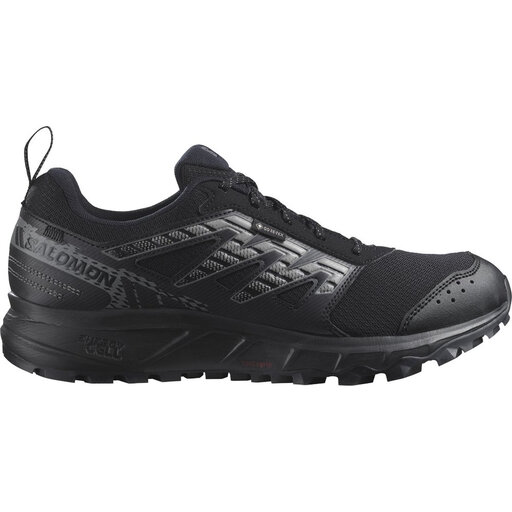
Why it suits this profile: A practical choice for walks, commuting and changeable Dutch weather. The product information lists a GORE-TEX membrane, EVA midsole and Contagrip rubber sole.
The specifications mention both water protection and grip, so you do not have to rely solely on a marketing term such as ‘outdoor’.
GORE-TEX lining, Contagrip sole and cushioned midsole for walking.
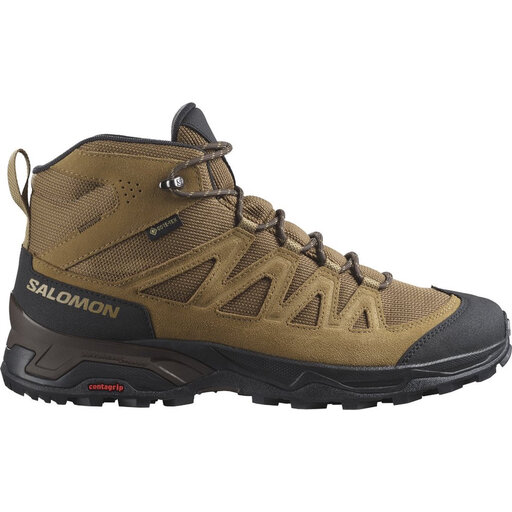
Why it suits this profile: Designed for long walks and rougher terrain where extra support and protection matter.
The mid-cut shape and reinforced toe and heel provide more structure than a low-cut sports shoe. However, the suede leather does require manual care.
GORE-TEX membrane, leather upper, mid-cut design and Contagrip rubber sole.
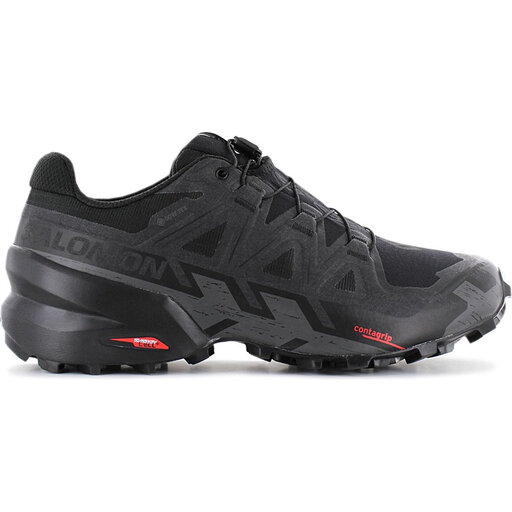
Why it suits this profile: For trail runners and walkers on soft, muddy or technical paths. The product information lists deep Contagrip lugs, GORE-TEX and a Quicklace system.
The pronounced lug pattern is clearly intended for loose and muddy ground, rather than being presented as a universal option.
GORE-TEX protection, aggressive tread, SensiFit fit and Quicklace adjustment.
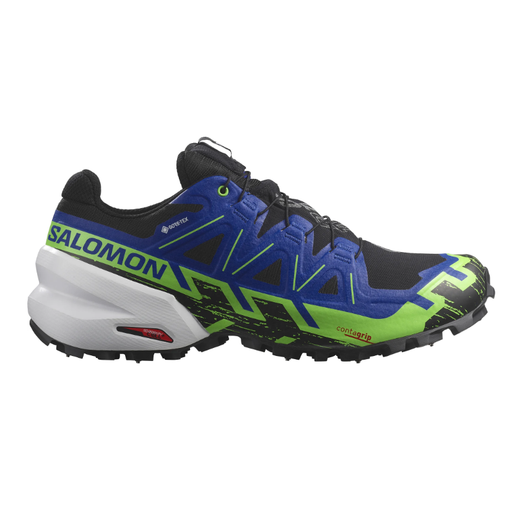
Why it suits this profile: Designed for winter trail runs and outdoor activities where snow or ice may be present. The product information lists a GORE-TEX construction and 12 tungsten studs.
The sole is specifically described for winter surfaces. This makes it clear that it is not an all-purpose walking shoe for every type of ground.
Waterproof membrane construction and 12 studs for extra traction on snow and ice.
We have compiled a complete, up-to-date list of products that fully meet these strict selection criteria and the applicable European safety regulations.
Proper care helps keep the materials and fit in good condition for longer:
That depends on the model. Low-cut models with a flexible sole can be suitable for everyday walking, while trail models with deep lugs may feel less comfortable on asphalt. A mid-cut shoe is better suited to long walks and rough paths.
Their lifespan depends on walking distance, terrain, body weight, care and storage. Pay particular attention to worn lugs, sole edges coming away and leaks. A shoe with an intact lining may still need replacing if its grip has significantly deteriorated.
Depending on the model, the product information describes a GORE-TEX membrane as waterproof or water-resistant. Protection can be reduced by wear, damaged seams, poorly maintained outer material or water entering through the shaft. Use the shoes according to the described scenario and check the product specifications before buying.
