
Vandaag of morgen in huis

Kwaliteit gegarandeerd

Welkomstaanbiedingen ontgrendelen: GRATIS bezorging | Tot 80% korting | Gratis 30 dagen JoyPlus-proefperiode
Download de app
Wet feet, slipping soles and blisters after just a few walks: these are common problems with outdoor shoes. A high price or well-known brand name does not automatically prevent them. When choosing waterproof outdoor shoes, the main considerations are the terrain, the fit and how the waterproofing is constructed.
A shoe with GORE-TEX or another membrane construction can help keep water out. That does not mean it will remain completely waterproof when you walk through deep puddles or when water enters through the ankle opening. An open tongue, damaged seams or insufficient care can also reduce protection.
Therefore, pay attention to the height of the ankle, the finish around the tongue and the care instructions. For light rain, a low-cut shoe may be sufficient. For snow, wet grass and longer walks, a mid-cut model is more practical.
Deep lugs are useful in mud and soft woodland soil, but may be less comfortable on tarmac or hard stone. A trail-running sole often has a different tread from a trekking sole. So check whether the shoe is intended for:
Product descriptions sometimes use terms such as “aggressive grip” or “suitable for all terrains”. Assess this information alongside the stated sole material, tread and intended use.
A shoe can be technically suitable yet still feel uncomfortable. Too little room around the toes causes pressure on descents. A heel that is too roomy can cause blisters. If you wear thick walking socks, you will also need more space inside the shoe.
Ideally, try shoes on at the end of the day and compare your foot length with the size chart. People with wider feet can search specifically for a wide fit, as found in certain models from the X Ultra range.
For GORE-TEX shoes, the product information states that the membrane supports water resistance and breathability. According to Salomon’s product descriptions, GORE-TEX is designed to help keep feet drier in wet conditions. This is a product claim made by the brand, not a guarantee of dry feet in every situation.
Also look at the upper:
For hiking shoes with good grip, the rubber compound, tread and sole width are more important than the brand name alone. Contagrip is mentioned in various Salomon models as a material for grip on a range of surfaces. According to Salomon’s product descriptions, the deep grooves in certain Contagrip TA soles are designed for soft and muddy paths.
For technical terrain, a stable midsole, reinforced heel and toe protection are also important. A low-cut shoe often remains more agile, while a mid-cut model may provide greater ankle support. Neither design is automatically suitable for every walker.
Pay attention to the fastening system and insole. A Quicklace system can be adjusted quickly, while traditional laces offer more ways to adjust pressure across different areas of the foot. A padded tongue and collar can improve comfort during long walks.
Waterproof walking shoes last longer when you remove mud after use, allow them to dry naturally and follow the care instructions. Do not place shoes on a radiator, and do not simply put models with a membrane or leather upper in the washing machine.
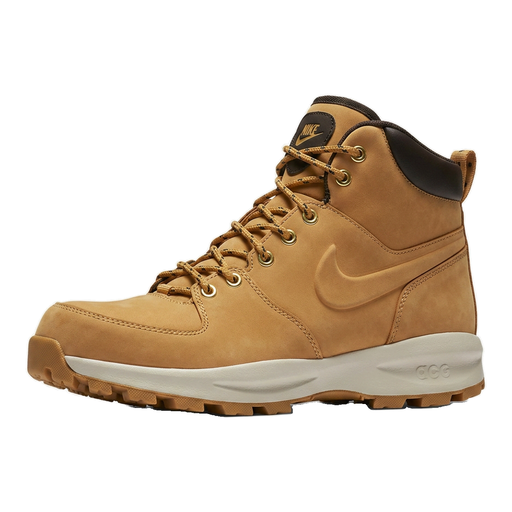
Why it suits this profile: A high trekking boot for walks, everyday winter use and adventures where ankle coverage is preferred.
The product information mentions water-repellent properties, a nubuck leather upper and a high-cut construction. However, check the latest sizing and care information before buying.
Nubuck leather upper, rubber outsole and padded polyurethane foam insole.

Why it suits this profile: For walkers and trail runners looking for a low-cut shoe for technical and varied terrain.
The specifications mention a GORE-TEX membrane, 3D Advanced Chassis and Contagrip outsole. This means water protection, stability and tread are listed separately.
GORE-TEX, 3D Advanced Chassis, Quicklace and reinforced toe and heel according to the product description.
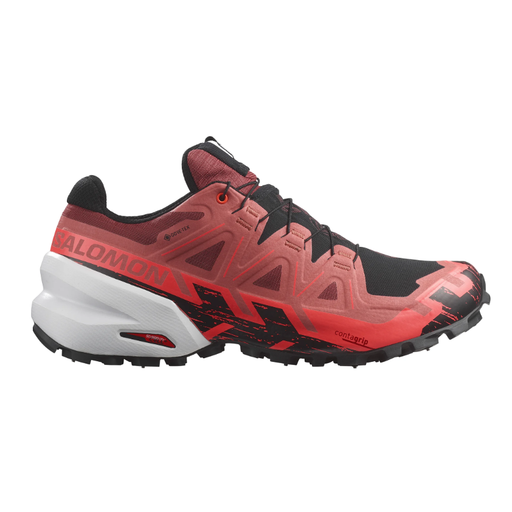
Why it suits this profile: For winter trail runs and walks on snow or ice where extra traction is needed.
This model is not described solely as a winter model: the specifications mention a GORE-TEX construction and 12 tungsten carbide spikes. Do not use spikes on smooth indoor floors.
GORE-TEX membrane and 12 metal spikes according to the product information; designed for snow and ice.
We have compiled a complete, up-to-date list of products that fully meet these strict selection criteria and the applicable European safety regulations.
They can be, particularly for rainy cycle rides, walks and commuting. A trail-running shoe is generally lighter and more flexible. A leather or mid-cut model provides more coverage, but may feel warmer and heavier. Choose based on the surfaces you encounter every day, rather than relying solely on the waterproof label.
First, gently brush off dried mud, then use a damp cloth. Allow shoes to dry at room temperature, away from direct heat. Always follow the label: some models may only be cleaned by hand. For nubuck or leather, use only a suitable care product.
Their lifespan depends on walking distance, terrain, body weight, care and storage. Regularly check the tread, seams, heel and sole bonding. When the tread is heavily worn or the membrane construction is damaged, the shoe may offer less grip or protection. A pair used only on Dutch walking trails will wear differently from shoes used on rugged terrain or for intensive trail runs.
