
Vandaag of morgen in huis

Kwaliteit gegarandeerd

Welkomstaanbiedingen ontgrendelen: GRATIS bezorging | Tot 80% korting | Gratis 30 dagen JoyPlus-proefperiode
Download de app
A waterproof outdoor jacket may seem easy to choose at first glance. However, rain jackets, hardshell jackets, parkas and 3-in-1 jackets vary considerably in protection, warmth and comfort. A jacket that is suitable for a walk along the dunes may not necessarily be comfortable for running or everyday cycling.
So do not look only at colour, brand or a term such as “weatherproof”. Above all, check the construction, fit and intended use of the jacket.
A DWR finish helps water droplets roll off the outer material. This is useful in light rain, but it does not by itself mean that the entire jacket is waterproof. Also check whether the seams are taped or sealed and whether the zips offer protection against rain.
With a jacket featuring a membrane, such as a DryVent jacket, it is important to read the full product description. According to The North Face product description, certain models feature fully sealed seams and DryVent material. This is a product specification; practical protection also depends on care, wear and how the jacket is worn.
A puffer jacket or winter jacket with synthetic insulation can be comfortable when sitting still or commuting. During walking, running or climbing, however, a warm jacket can quickly become too much. A thin breathable jacket or hardshell jacket offers greater flexibility, especially when you use several layers.
A jacket that is too tight pulls across the shoulders and can restrict your freedom of movement. A jacket that is too loose can let draughts in. Therefore, check your chest or bust measurement, sleeve length and the space available for a fleece jacket or lightweight winter layer.
Men’s outdoor jackets and women’s outdoor jackets often have different size charts and fits. Do not rely solely on the S, M or L label; compare your body measurements with the chart on the product page.
For prolonged rain, sealed seams, a well-fitting hood and adjustable cuffs are practical features. A hooded jacket offers better protection when the hood is adjustable and provides sufficient coverage without blocking your view.
Some product descriptions mention a hydrostatic head rating, for example 35.900 mm H₂O. According to PELLIOT product information, this refers to a laboratory measurement of the water pressure that the material can withstand according to the stated method. This type of rating is useful for comparison, but does not fully predict how a jacket will perform during prolonged use, after damage or with poorly maintained seams.
A breathable jacket allows humid air and perspiration to escape. Pay attention to the unit of measurement when a brand quotes a figure such as 16.000 g/m²/24 hours. According to PELLIOT’s own product information, this is the stated MVTR value for a specific model. Use these figures as a comparison point, not as a guarantee that everyone will stay dry in all conditions.
For relaxed walks or travel, a mesh lining may be sufficient. For more intensive activity, ventilation zips, a lighter construction and effective layering are often just as important.
A shell or rain jacket primarily protects against wind and precipitation, but is not automatically a warm winter jacket. In cold weather, combine a base layer with a fleece jacket and, if necessary, an insulating layer. A 3-in-1 jacket offers a practical solution: according to the product description, the outer layer and inner jacket can be worn separately or together.
For everyday use in the city, an insulated parka may be more comfortable. For camping or walking, a flexible combination is often more practical, as temperature and exertion can vary.
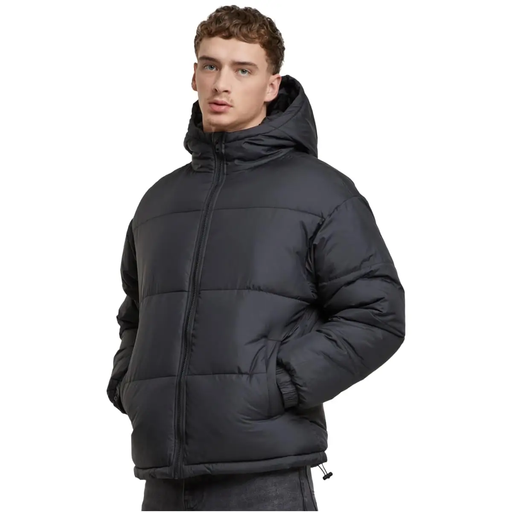
Why it suits this profile: This puffer jacket is designed for everyday use on cold days. The hood and synthetic insulation are practical for city journeys, shopping and short periods outdoors.
The product information clearly specifies the material, insulation and available sizes. This type of jacket is primarily designed to keep you warm; for prolonged heavy rain, a technical rain jacket would be a more logical choice.
100% polyester insulation, a polyamide outer material and a hood. Suitable for everyday use in cold weather.

Why it suits this profile: This combination is designed for changing conditions. According to the product description, the protective outer layer and down inner jacket can be worn separately or together.
The layering system means you do not need a separate jacket for every season. However, check that the size leaves enough room for both layers.
3-in-1 system, adjustable hood, underarm zips and stated 550-fill-power down insulation.
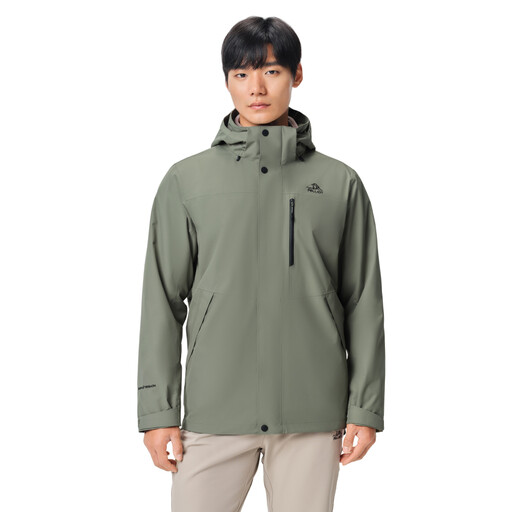
Why it suits this profile: The product description focuses on camping, trekking and commuting. The jacket has an outer layer and fleece lining which, according to the description, can be worn separately or together.
The stated hydrostatic head and breathability ratings provide more technical information than simply calling the jacket “waterproof”. Always check the size and care instructions before buying.
Stated hydrostatic head of 35.900 mm H₂O, MVTR of 16.000 g/m²/24 hours and fleece lining.
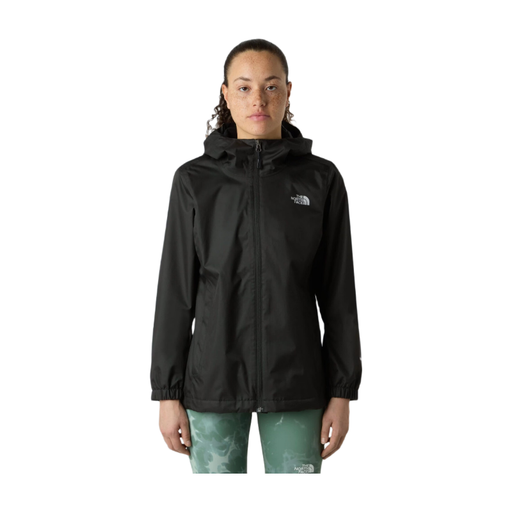
Why it suits this profile: According to the product description, this women’s outdoor jacket is a shell for walking, with DryVent material, a mesh lining and adjustable details.
The description lists sealed seams, wind protection and breathable material separately. This allows you to compare the features more precisely than by relying on a single marketing term.
Adjustable hood, cuffs and hem, two zipped pockets and 2L DryVent with DWR finish according to the product information.
Wash a waterproof outdoor jacket according to the care label, and fasten zips and hook-and-loop closures before washing. Do not use bleach unless permitted, and avoid tumble-drying if the instructions advise against it. With some jackets, the DWR finish can be reactivated or reapplied; always follow the brand’s care information for this.
After a season, check the seams, cuffs and zips. Damage to the outer layer can reduce protection, even if the material originally had high specifications.
We have put together a complete, up-to-date list of products that fully meet these strict selection criteria and the applicable European safety regulations.
Not always. A hardshell or rain jacket is usually designed as a protective outer layer. Combine it with a fleece jacket or insulating mid-layer. For standing still for long periods in low temperatures, a padded winter jacket or parka is often more suitable.
Check whether the product information refers to waterproof material, sealed seams and a protected fastening. A DWR finish alone is not a complete indication. A stated hydrostatic head rating can help with comparison, but also consider the fit, care requirements and seam quality.
For active walks, a lightweight, windproof jacket with a hood and breathable material is practical. If you also need warmth, choose a 3-in-1 jacket or a shell with a fleece or insulating layer. Also look for adjustable cuffs and hem, so rain and wind are less likely to get in.
