
Vandaag of morgen in huis

Kwaliteit gegarandeerd

Welkomstaanbiedingen ontgrendelen: GRATIS bezorging | Tot 80% korting | Gratis 30 dagen JoyPlus-proefperiode
Download de app
In the Netherlands, a waterproof outdoor jacket needs to cope with more than a brief shower. Whether you are out walking, cycling to work or camping for the weekend, you may face prolonged rain, wind and changing temperatures. Even so, a jacket labelled “waterproof” or “all-weather” is not automatically suitable for every situation.
The following three pitfalls are common:
When choosing a waterproof walking jacket, look at more than just the material. The construction matters too. A hardshell jacket with fully taped seams reduces the chance of water getting in through the stitching. A high collar, adjustable hood and cuffs also help keep rain and wind out.
Hydrostatic head is usually expressed in millimetres. A higher value indicates greater resistance to water pressure within the test method used, but it does not fully predict how long the jacket will last. So also check:
Walking, cycling and trekking generate heat and moisture on the inside. Breathability is often expressed as MVTR, for example in grams per square metre per 24 hours. A higher value may indicate that more moisture can pass through according to the stated test method.
Please note: ventilation openings, clothing layers, temperature and exertion all have a major effect on comfort. A breathable outdoor jacket will not stop you feeling warm during intense activity. Underarm zips and a lightweight base layer can help in those situations.
A rain jacket for walking is usually an outer layer without thick insulation. In colder conditions, you can wear a fleece or lightweight down jacket underneath. A 3-in-1 outdoor jacket generally combines an outer layer with a removable inner layer. You can wear both parts together or use them separately.
When checking the fit, make sure there is enough room for a mid-layer without the sleeves or shoulders feeling too loose. A women’s outdoor jacket, men’s outdoor jacket or unisex outdoor jacket may have a different cut. Always use the size guide for the specific product and measure your chest, sleeve length and, where applicable, waist.
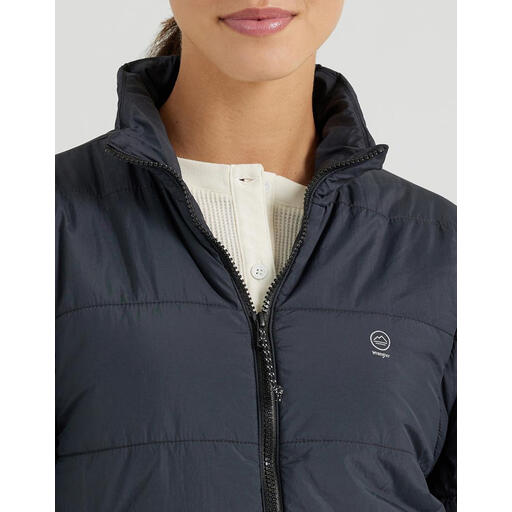
Why it suits this profile: A practical jacket for everyday use, short walks and commuting, where protection from wind and light rain is sufficient.
The product description refers to protection from wind and light rain. So do not expect a specialist hardshell for prolonged heavy downpours.
Hood, long sleeves, polyester fabric and a versatile fit for layering.
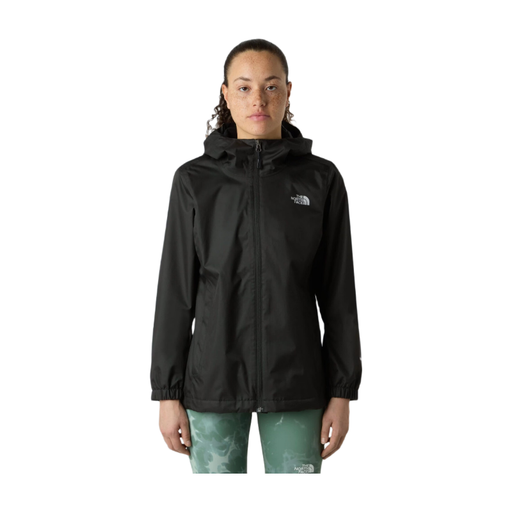
Why it suits this profile: This women’s outdoor jacket is designed for walking and changeable weather, with attention to seams, hood and comfort when layering.
According to The North Face product description, the jacket has fully sealed seams and DryVent fabric. Check the size guide and care instructions to preserve its performance.
Waterproof, windproof and breathable according to the brand’s product description; adjustable hood, cuffs and hem.
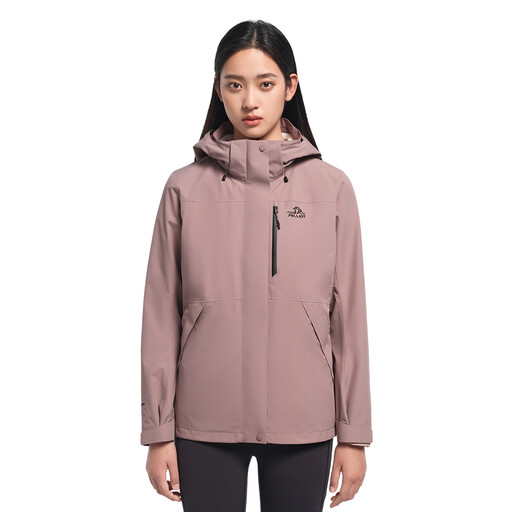
Why it suits this profile: A 3-in-1 outdoor jacket for camping, trekking and colder days when you want to combine an outer layer with an insulating inner layer.
The stated specifications cover both waterproofing and breathability. According to PELLIOT’s own product information, it offers 35,900 mm H₂O and 16,000 g/m²/24 hours according to JIS; check the current product page for details.
Removable layers, adjustable hood, hem and cuffs; the product information also states more than 40,000 abrasion cycles.
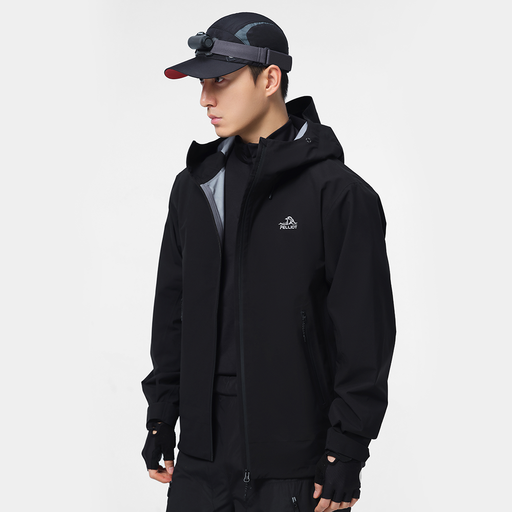
Why it suits this profile: A unisex hardshell for anyone who wants to use one lightweight jacket for trekking, outdoor activities and everyday journeys.
The product description mentions waterproofing, wind resistance, breathability and abrasion-resistant fabric. The stated technical values should be checked on the product page before purchase.
According to the size guide, size M has a chest measurement of 116 cm; the jacket is designed for layering and has a technical mesh or textile lining.
We have put together a complete, up-to-date list of products that fully meet these strict selection criteria and the applicable European safety regulations.
A waterproof jacket often loses performance sooner through incorrect care than through normal use. Wash the jacket according to the label, fasten the zips beforehand and do not use fabric softener. Allow the jacket to air-dry when the instructions specify this. A DWR coating may need to be reapplied over time; follow the manufacturer’s recommendations when doing so.
Store the jacket somewhere dry and clean. Do not leave it damp in a bag for extended periods. Also check the zips, seams, hood and cuffs regularly. When hiking in the mountains or camping, an additional rain cover for your rucksack can prevent pressure and friction from putting unnecessary strain on the fabric.
Not always. A hardshell mainly protects against rain and wind, but often provides little insulation. In low temperatures, wear a fleece or another mid-layer. A fleece-lined jacket or 3-in-1 outdoor jacket may be more practical if you want warmth and protection in one system.
A rain jacket is a broad product category for protection against precipitation. A hardshell jacket is generally designed as a technical outer layer, with a focus on waterproofing, wind protection, breathability and layering. Always check the specific product specifications; the name alone is not enough.
Measure your chest while wearing a thin shirt and compare it with the product’s size guide. Allow room for a fleece or another mid-layer. With a jacket for mountain walking, you should be able to move your arms freely, and the hem should not ride up when you are carrying a rucksack.
