
Vandaag of morgen in huis

Kwaliteit gegarandeerd

Welkomstaanbiedingen ontgrendelen: GRATIS bezorging | Tot 80% korting | Gratis 30 dagen JoyPlus-proefperiode
Download de app
A waterproof outdoor jacket needs to cope with more than a short shower in the UK. Whether you are walking through the countryside, cycling to work or spending a weekend camping, you may encounter rain, wind, physical exertion and changing temperatures. Yet a prominent “waterproof” label does not tell you everything about how a jacket will perform in everyday use.
The right choice depends on the construction, fit and type of activity. Below, you can find out what to look for, which marketing claims to assess critically and which models suit different situations.
A water-repellent coating initially makes raindrops roll off the fabric. That is different from a waterproof rain jacket with a membrane, coated outer layer or fully sealed seams. Seams, zips and the area around the hood can allow water in, in particular.
Check whether the product description refers to taped or fully sealed seams. According to the product description, the The North Face Quest Jacket uses fully seam-sealed DryVent fabric. Other models may mention waterproof fabric, but do not always clearly state how the seams have been finished.
A fleece lining or insulation retains heat more effectively, but can become too warm during a brisk walk. A lightweight hardshell jacket protects you from rain and wind, but is usually not a complete winter coat. You will need a fleece or thermal mid-layer underneath.
Also consider the ventilation options. A breathable outdoor jacket can help move moisture away from your body during exercise, but breathability is less effective when you wear several thick layers or a heavy rucksack presses against the fabric.
A jacket that is too tight pulls across the shoulders and can restrict your freedom of movement. An oversized jacket, on the other hand, lets wind in and can feel uncomfortable when cycling or climbing. Do not look only at S, M or L. Compare the chest measurement, sleeve length and jacket length with your own measurements.
Planning to wear a fleece underneath? Allow extra room. Some models provide a separate size chart or recommend choosing a larger size for layering.
The hydrostatic head rating in millimetres is a technical indication of the pressure a material can withstand. A higher figure generally indicates greater protection, but it does not tell you everything about the finished product. The quality of the seams, zips, hood and cuffs also matters.
Look out for these features:
Moisture management is important for walking, trekking and travel. Look for a mesh lining, ventilation zips or a material whose breathability is clearly described. According to the product description, the The North Face Quest features DryVent fabric and a mesh lining. The PELLIOT models are described in the product information as hardshell jackets with a breathable, abrasion-resistant outer layer.
A brand’s performance claim is not a universal guarantee. According to The North Face’s own information, DryVent is waterproof, windproof and breathable; according to PELLIOT’s product description, the fabric is designed to withstand rain, wind and wear. Always compare this information with the actual construction and intended use.
A fleece-lined jacket or winter outdoor coat is practical for everyday use in cold conditions. An unlined hardshell is more versatile when combined with different mid-layers. Check the material composition:
Wash a durable walking jacket according to the care label. Fasten the zips, do not use bleach and avoid fabric softener if the manufacturer advises against it. Allow technical jackets to air-dry if the product information instructs you to do so.
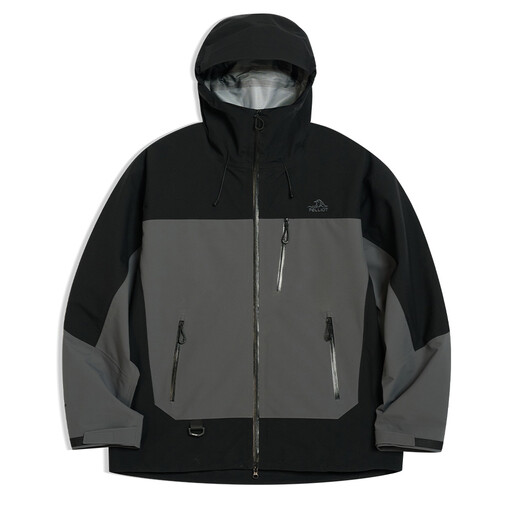
Why it suits this profile: A practical option for walking, travel, camping and everyday use in changeable weather. The unisex fit and available size chart make it easier to compare sizes.
The product description mentions a waterproof and wind-resistant construction, breathable fabric and a hard-wearing outer layer. However, check the latest details about the seams and zips before buying.
Sizes XS to XXL; according to the product information, suitable for an extra layer and machine washable on a cold, delicate cycle.
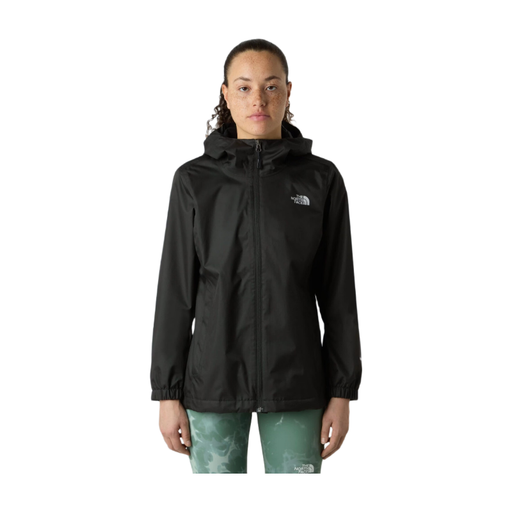
Why it suits this profile: A technical jacket for walking and everyday outdoor use when seams, the hood and ventilation are important.
According to the product description, the Quest Jacket has taped seams, an adjustable hood, elasticated cuffs and an adjustable hem.
2L DryVent fabric, polyester mesh lining, two zipped pockets and a DWR finish according to the product information.
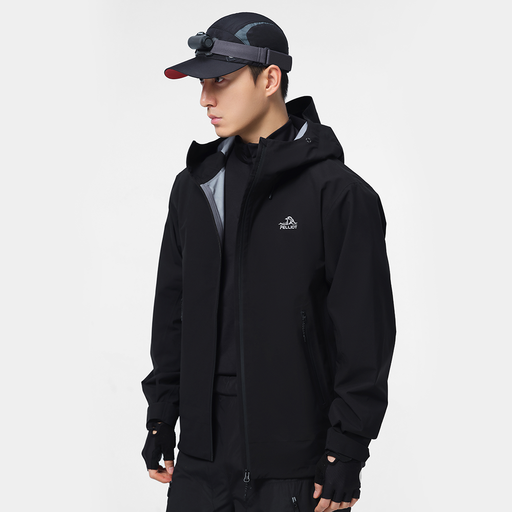
Why it suits this profile: Designed for water sports, trekking and rougher terrain, where wind resistance and durability are important.
The product description mentions a waterproof laminate layer, wind-resistant construction and hard-wearing fabric. The supplier also states that recycled material is used in the outer fabric; check the latest product specification.
Sizes XS to XXL, mesh or technical lining according to the product description, and care involving cold washing or wiping with a damp cloth.
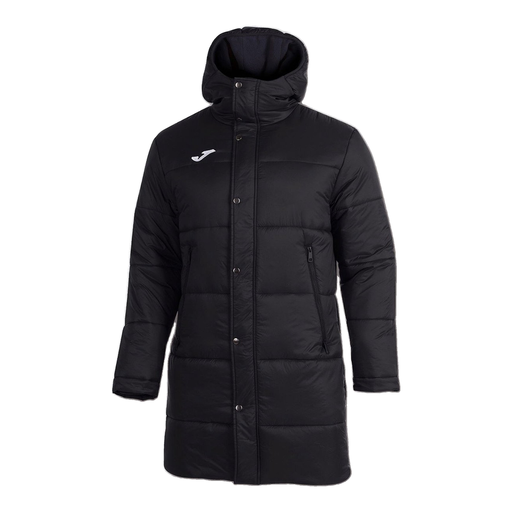
Why it suits this profile: A lined parka for cold days, commuting, everyday use and more relaxed outdoor activities.
The product information mentions an insulated construction, waterproof outer layer, adjustable hood and cuffs. This model is less suited to intensive exercise than a lightweight hardshell.
100% nylon according to the product information, synthetic insulation, fleece lining, multiple pockets and adjustable features.
We have put together a complete, up-to-date list of products that fully meet these strict selection criteria and the applicable European safety regulations.
Not always. A hardshell jacket mainly protects against rain and wind and often has no thick insulation layer. On cold days, wear a fleece, wool jumper or padded mid-layer underneath. A lined parka is the easier choice if warmth is your priority and you are less active.
Its lifespan depends on wear and tear, washing, storage and the quality of the coating. Shoulders rubbing against a rucksack, abrasive branches and frequent washing can put strain on the outer layer. Follow the care label and only reapply a DWR finish with a product suitable for the material in question.
The price varies depending on the membrane, seam finishing, insulation, brand and additional features such as ventilation zips. Therefore, do not compare the purchase price alone. A lightweight rain jacket may be sufficient for commuting, while a trekking jacket with durable fabric and adjustable features is a more sensible choice for intensive outdoor use.
