
Vandaag of morgen in huis

Kwaliteit gegarandeerd

Welkomstaanbiedingen ontgrendelen: GRATIS bezorging | Tot 80% korting | Gratis 30 dagen JoyPlus-proefperiode
Download de app
A waterproof outdoor jacket needs to handle more than a passing shower in the UK. Whether you’re out walking, cycling or camping for the weekend, you may face rain, wind, mud and changing temperatures. But a bold marketing claim alone doesn’t tell you how well a jacket will perform in practice.
Many disappointing purchases come down to three common pitfalls:
So, if you’re looking for a women’s outdoor jacket, a men’s outdoor jacket or a unisex hardshell jacket, it’s worth deciding how you’ll use it first. A rain jacket may be enough for your daily commute. For trekking or camping, durability, ventilation and room for multiple layers matter more.
Hydrostatic head is measured in millimetres. This is a laboratory measurement of the pressure the fabric can withstand before water gets through. A higher figure may indicate greater resistance to water pressure, but check whether the seams are taped or sealed too.
A jacket with a hood, adjustable cuffs and a drawcord hem will fit more securely in changeable weather. Check the zips and pockets as well: exposed or poorly covered zips can be weak spots, even when the fabric itself is waterproof.
Breathability is often shown as MVTR, for example in grams per square metre over 24 hours. This figure indicates how much water vapour the fabric can let through under specific test conditions. It doesn’t guarantee that you’ll stay dry inside during every walk.
For a walking jacket or trekking jacket, underarm ventilation zips, a not-too-tight fit and a good layering system are just as important. When you’re active, wear a lightweight fleece jacket or moisture-wicking base layer under your shell.
A waterproof hardshell jacket is usually designed as an outer layer and won’t necessarily provide much warmth. In cold weather, pair it with a fleece jacket or insulating mid-layer. A lined 3-in-1 jacket gives you more flexibility: wear the inner layer, outer layer or both, depending on the weather.
Always check the size guide for the specific model. Look at the chest measurement, sleeve length and room for layers. A jacket that’s too tight can restrict movement, while one that’s too loose may let wind in at the hem and cuffs. Materials such as polyester, polyamide or elastane don’t tell you enough about durability on their own. Check the abrasion resistance, care instructions and finish too.
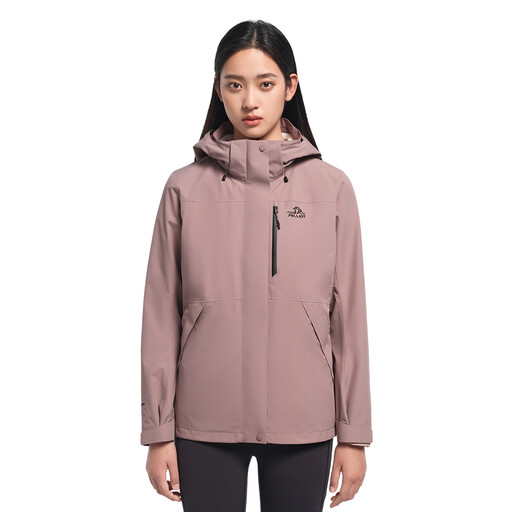
Why it suits this need: According to the product description, this lined jacket combines an outer layer with a warm lining. It’s a practical choice for everyday wear, travel and recreational camping when you don’t want to pack several separate jackets.
The manufacturer states a hydrostatic head of 35.900 mm, an MVTR of 16.000 g/m²/24 hours and more than 40.000 abrasion cycles. Check these figures on the current product page before buying, and follow the recommended care instructions.
Three ways to wear it, an adjustable hood and cuffs, fleece lining, and an extensive size range from S to XXXL.
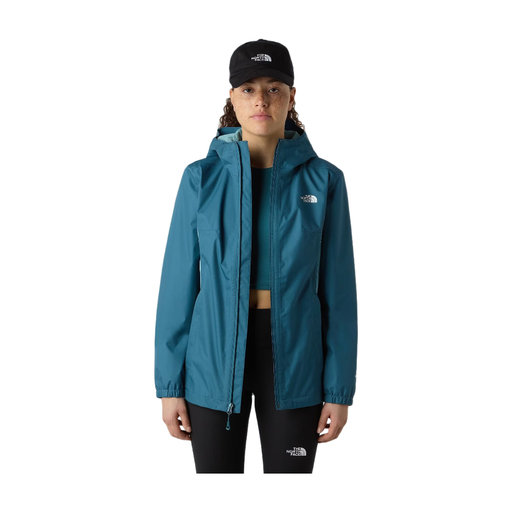
Why it suits this need: According to the product information, this women’s outdoor jacket is designed for walking in wet and windy conditions. It can be worn as a standalone outer layer or paired with compatible Triclimate products.
The brand describes DryVent as waterproof, windproof and breathable technology. Before ordering, check that any inner layers you plan to use are compatible, and follow the care label.
Adjustable hood, elasticated cuffs, zipped side pockets and a standard fit according to the product information.
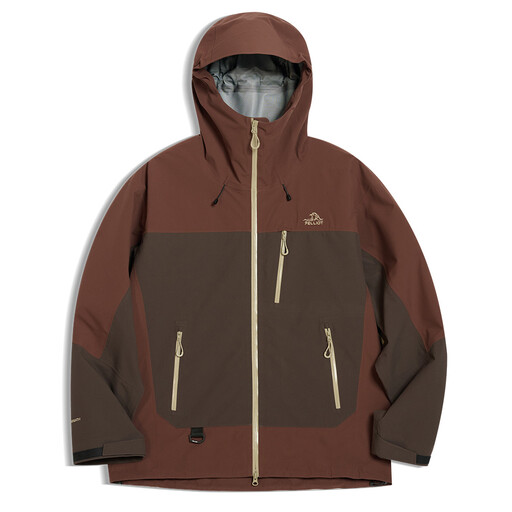
Why it suits this need: According to the product description, this unisex hardshell jacket is designed for camping, trekking, commuting and changeable weather. The outer layer can be paired with a fleece jacket or another insulating mid-layer.
The product information describes a windproof, hard-wearing construction. As no specific hydrostatic head or MVTR figure is given, it’s worth checking the latest specifications and returns policy.
A wide unisex size range from XS to XXL, an adjustable fit and a colour-block design for outdoor and city wear.
We’ve put together a complete, up-to-date list of products that meet these strict selection criteria and current European safety regulations.
Not always. A hardshell jacket mainly protects you from rain and wind, but often offers little insulation. In cold weather, pair a rain jacket or hardshell with a fleece jacket, down jacket or synthetic mid-layer. A lined winter jacket or 3-in-1 jacket provides warmth without the need to combine separate layers.
That depends on how often you wear it, how much wear and tear it gets, and how well you care for it. Rucksack straps, branches and frequent washing can all put strain on the outer layer. Follow the care label, do up the zips before washing and don’t use bleach. On some models, you can reactivate or reapply the water-repellent finish according to the instructions. Always check the manufacturer’s guidance.
For gentle walks, a rain jacket with a hood and enough room to move is often sufficient. For longer walks or trekking, useful features to look for include breathability, ventilation, taped seams and an adjustable hood. If you’re outdoors all year round, a 3-in-1 system with a separate fleece or insulating layer could be a good choice.
