
Vandaag of morgen in huis

Kwaliteit gegarandeerd

Welkomstaanbiedingen ontgrendelen: GRATIS bezorging | Tot 80% korting | Gratis 30 dagen JoyPlus-proefperiode
Download de app
In the Netherlands, a waterproof outdoor jacket needs to do more than keep out a brief shower. Whether you are cycling, hiking or camping, you may face prolonged rain, strong gusts and changing temperatures. Even so, it is unwise to rely solely on terms such as “stormproof” or “all-weather”.
As a Joybuy Product Recommendation Officer, I filter the most important information from product descriptions so you can compare products based on verifiable specifications. Below, you will learn which common pitfalls often lead to a disappointing purchase and which type of waterproof jacket suits your needs.
A jacket with a DWR coating initially causes rain to bead up and roll off the surface. This does not automatically mean that the fabric, zippers and seams will keep out prolonged rain completely. Check whether the jacket has a membrane, taped seams or a stated hydrostatic head rating.
For example, the The North Face jackets in this selection are described as featuring DryVent fabric with fully sealed seams. According to the brand’s product description, this construction is designed to provide water and wind protection. Actual performance also depends on maintenance, wear and the condition of the coating.
A breathable hardshell jacket can be more comfortable during strenuous hikes, but “breathable” is not a standardised performance claim. Where possible, look for an MVTR rating, expressed in grams per square metre per 24 hours. Within the same testing method, a higher value indicates greater moisture transfer, but the result is also affected by temperature, humidity, exertion and clothing layers.
According to the product information, the PELLIOT 3-in-1 women’s jacket lists an MVTR of 16,000 g/m²/24 hours. This is a verifiable product specification, not a guarantee that you will remain dry during every activity.
A lined waterproof winter jacket may be suitable for sitting still, commuting or taking cold-weather walks. During running, climbing or fast-paced trekking, however, thick insulation can quickly become too warm. A separate hardshell worn over a fleece or insulating layer offers greater flexibility.
Pay attention to the fit as well. A jacket that feels tight over a sweater restricts your freedom of movement. Conversely, an oversized jacket can allow wind to enter through the hem and cuffs.
The hydrostatic head rating indicates how much water pressure the fabric can withstand under a specific test. The PELLIOT 3-in-1 jacket lists a hydrostatic head of 35,900 mm H₂O according to JIS. According to PELLIOT’s product description, the jacket also features a wind-resistant construction and a hard-wearing outer layer.
A hydrostatic head rating does not tell you everything about the complete jacket. Also check:
For hiking, cycling and trekking, moisture transfer is important. An outdoor rain jacket with a mesh lining or membrane can help move perspiration away from the body, but no jacket can prevent you from becoming warm or damp during strenuous exertion.
The black PELLIOT hardshell lists a moisture-regulating lining and a hard-wearing nylon or polyester blend with a waterproof laminate. The product page does not provide a hydrostatic head or MVTR rating for this model. You can therefore compare it based on design and features, but not directly against the PELLIOT 3-in-1 jacket across all technical measurements.
A 3-in-1 outdoor jacket generally consists of an outer shell and a removable inner layer. You can wear both together in cold weather, use only the shell in the rain or wear just the inner jacket when conditions are dry.
According to PELLIOT’s product description, the black men’s jacket with green accents is designed for three wearing configurations: shell only at approximately 10–25°C, liner only at approximately 0–10°C and both layers together at approximately -5 to -15°C. These are the brand’s stated guidelines. Your experience will depend on activity level, wind, base layers and personal warmth requirements.
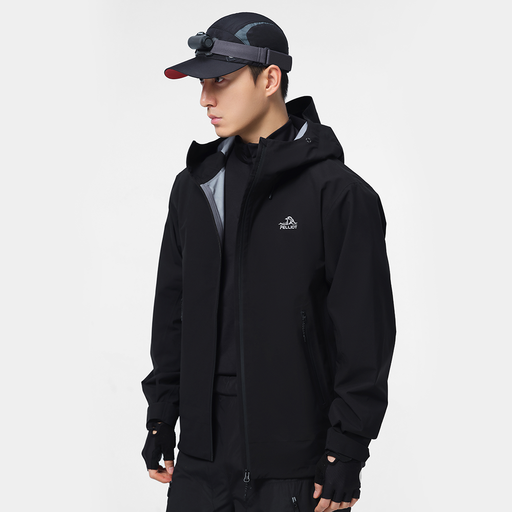
Why it fits the bill: A practical choice for hiking, cycling and everyday use when you want a single lightweight outer layer.
The product description mentions wind-resistant protection, moisture regulation and a hard-wearing outer fabric. Before buying, check the available size and the information provided about the seams.
Unisex utility fit, mesh-style lining according to the product information and a stated chest measurement of 112 cm for size S.
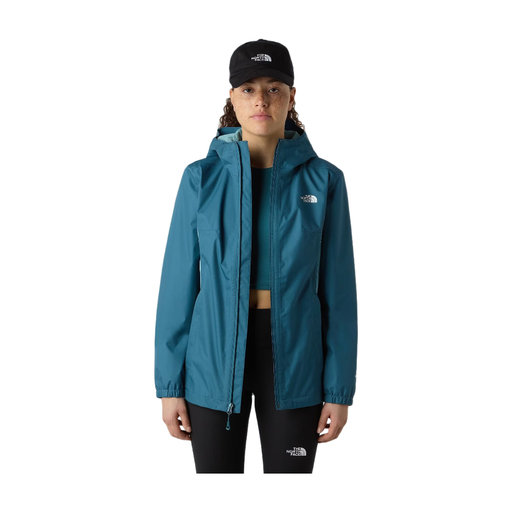
Why it fits the bill: For hikers who want to wear a standalone shell or later combine it with a compatible Triclimate layer.
The description mentions DryVent, water- and windproof properties, breathability and fully sealed seams. Check compatibility before adding an inner layer.
Adjustable hood, cuffs and hem, two zipped pockets and a mesh lining according to the product description.
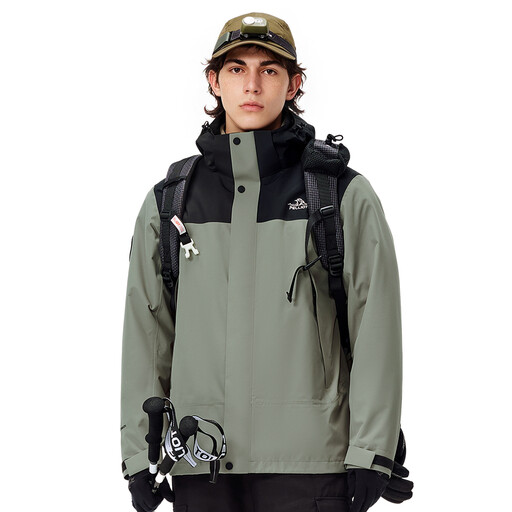
Why it fits the bill: Designed for camping, mountain trekking and commuting when you want to switch between the shell, inner layer and combined jacket.
The product information mentions a microporous membrane, taped seams and a hard-wearing shell. The inner layer is removable, making it less likely that you will wear a jacket that is too warm.
According to the product description, the model offers three wearing options, adjustable features and a thermal inner layer with antistatic treatment.
Browse a current selection of weather-protective clothing and compare models by material, fit and intended use.
Measure your chest and compare it with the size chart for the specific model. With a hardshell jacket, room for a fleece or mid-layer is useful. Also check the sleeve length and jacket length if you frequently cycle or carry a backpack.
Maintenance affects water repellency. Follow the care label, do not use fabric softener and close all zippers before washing. For some The North Face models, the product information states that the DWR coating can be reapplied. Always follow the care label; incorrect drying or ironing can damage the coating.
A waterproof jacket has no fixed lifespan. Frequent abrasion from backpack straps, washing, mud and folding can reduce performance. Regularly inspect the seams, coating and zippers.
No. Waterproofing protects against precipitation but says little about warmth. Choose a shell with separate layers or a lined waterproof winter jacket if you will be outdoors for extended periods in low temperatures.
Follow the care label, use a mild detergent and avoid fabric softener. Allow the jacket to dry according to the instructions, and only reapply the DWR coating when permitted by the care label or manufacturer.
A lightweight hardshell offers flexibility in rain and wind. If you also need warmth, consider a 3-in-1 outdoor jacket. For intensive trekking, sealed seams, adjustable closures and a measurable breathability rating are useful points of comparison.
