
Vandaag of morgen in huis

Kwaliteit gegarandeerd

Welkomstaanbiedingen ontgrendelen: GRATIS bezorging | Tot 80% korting | Gratis 30 dagen JoyPlus-proefperiode
Download de app
A waterproof outdoor jacket needs to stand up to more than a passing shower in the UK. Whether you’re out walking, cycling or camping for the weekend, you’re likely to encounter rain, wind and changing temperatures. But a product described as “waterproof” doesn’t tell you everything about how it will perform day to day.
The main pitfalls to watch out for are:
First, check whether the product information mentions a waterproof outer layer, a membrane and taped or fully sealed seams. For a hardshell jacket, these features are generally more important than a water-repellent coating alone.
Also look for:
A waterproof walking jacket without good adjustment can still let rain in around the neck, sleeves or hem when it’s windy.
A windproof jacket keeps cold air out more effectively, but a completely sealed fabric can feel stuffy when you’re active. Look for specific information about a breathable membrane, ventilation openings or a mesh lining.
Brand names and technologies aren’t guarantees in themselves. For example, The North Face’s product description says that the Quest Jacket uses DryVent fabric, which is described as waterproof, windproof and breathable. These features are based on the product specifications provided by the brand, so always check the current product page and care label.
A lined jacket can be comfortable for a gentle commute. For hiking or mountaineering, a lightweight, breathable outer layer is usually more practical, perhaps paired with a fleece.
Measure your chest, waist and arm length using the size guide on the product page. Don’t rely on the letter size alone. A women’s jacket and a men’s jacket in the same size may have different cuts and sleeve lengths.
Think about how you’ll use it:
According to the information provided, the The North Face Quest Jacket has a standard, comfortable fit. The PELLIOT hardshell is described as potentially more suitable in a size up if you want to wear thick mid-layers underneath. Check the specific size guide before ordering.
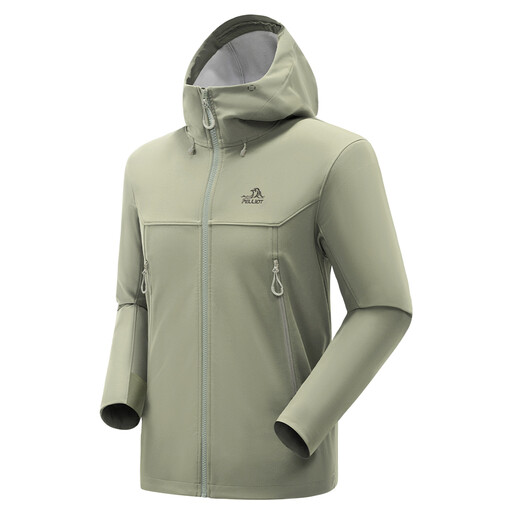
Why it suits this profile: A straightforward option for walking, everyday wear and changeable weather, when wind protection and a practical outer layer are the priorities.
The product name specifies windproofing and hiking use. Before buying, check the latest information on seams, waterproofing and care.
A windproof hiking jacket for men, in green and size XXL; suitable for wearing with a mid-layer if the fit allows.

Why it suits this profile: For anyone looking for a women’s rain jacket with clear information about its fabric, hood, pockets and fit.
The product description says the seams are fully sealed and the jacket has an adjustable hood, cuffs and hem. You can check these specifications on the product page.
2L DryVent fabric, mesh lining, two zipped pockets and sizes from XS to 3XL, according to the information provided.
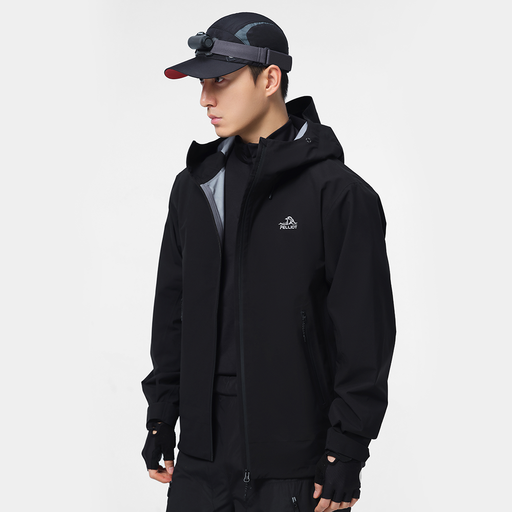
Why it suits this profile: Designed for people looking for a hardshell jacket for more demanding walks, outdoor activities and use in wet and windy conditions.
The product description mentions a waterproof, wind-resistant construction and hard-wearing fabric. Check the size if you plan to wear a thick layer underneath.
A unisex design in black, with a stated chest measurement of 108 cm in size S. According to the product information, it’s designed for trails and everyday wear.
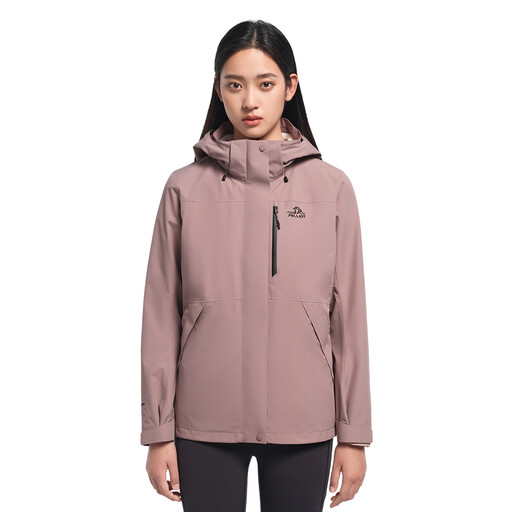
Why it suits this profile: A practical choice for camping, cold-weather commutes and activities where warmth matters more than an ultra-light jacket.
The product information lists separate figures for hydrostatic head, breathability and abrasion resistance. Before buying, check that these details still apply to the current listing.
A 3-in-1 design with an outer and inner layer, in size M and purple. According to the description, the layers can be worn separately or together.
Always follow the care label. For technical fabrics, avoid fabric softener if the label advises against it, fasten the zips before washing and leave the jacket to dry as instructed. A DWR finish can become less effective over time. The North Face’s product information says that reproofing may be needed to maintain water repellency; this is the brand’s recommendation, not a guarantee of a particular lifespan.
Store your outdoor jacket clean and completely dry. After a walk, check the zips, cuffs and seams. Damage to the outer fabric can reduce its protective performance.
We’ve put together a complete, up-to-date list of products that meet these strict selection criteria and the applicable European safety regulations.
No. Waterproofing and breathability are different features. Check whether the manufacturer provides information about a membrane, fabric technology or a performance rating. Ventilation zips and a mesh lining can also affect comfort.
It depends on how often you use it, friction, washing and care. Frequent contact with rucksack straps or branches puts extra strain on the fabric. There’s no set lifespan for every jacket. Check the seams, coating, zips and water-repellent outer layer regularly.
A hardshell jacket works as a protective outer layer, but it doesn’t always offer much insulation. In cold weather, wear a fleece or another mid-layer under your waterproof jacket. A fleece-lined jacket may be more practical if warmth is your main priority and you’re less likely to be doing strenuous activities.
