
Vandaag of morgen in huis

Kwaliteit gegarandeerd

Welkomstaanbiedingen ontgrendelen: GRATIS bezorging | Tot 80% korting | Gratis 30 dagen JoyPlus-proefperiode
Download de app
A good waterproof outdoor jacket needs to handle more than just a brief shower. Whether you're out for a walk, a bike ride or a weekend camping trip, you'll face driving rain, strong winds and rapidly changing temperatures. However, a catchy product title says little about the actual protection a jacket offers. If you only look at the brand name, thick lining or the word "waterproof", you might end up with a jacket that's too warm, too cold or not waterproof enough in practice.
With this buyer's guide, you can compare jackets based on verifiable specifications. You'll then see which models are suitable for different situations, from the daily commute to trekking.
An outer fabric with a water-repellent coating can cause light rain to bead off temporarily. This doesn't automatically mean the jacket can withstand heavy rain for long periods. Therefore, pay attention to:
A waterproof jacket with a hood is more practical in the rain than a model without one, but only if the hood fits well and doesn't fall over your eyes.
A thick puffer jacket or parka can be comfortable when you're standing still, cycling or for everyday use. However, for running, brisk walking or trekking, such a jacket can become too warm. In that case, a breathable outdoor jacket with ventilation options is often a more logical choice.
A fleece-lined jacket provides extra insulation, while a thin shell jacket mainly protects against rain and wind. A 3-in-1 jacket combines these functions and can be worn as an outer layer, an inner layer or a combined jacket.
An outdoor jacket should have enough room for a fleece or jumper, but it shouldn't be so loose that cold air gets in through the hem and sleeves. Always check:
Women's and men's jackets often differ in cut, but you should always check the size chart for the specific model. A standard fit can feel different from an oversized women's jacket or a generously cut men's jacket.
The hydrostatic head indicates how much water pressure a fabric can withstand according to a specific test method. A higher value indicates greater resistance to water pressure, but it doesn't tell the whole story about the complete jacket's performance. Seams, zips and wear and tear are equally important.
The product description for the PELLIOT 3-in-1 jacket states a hydrostatic head of 35,900 mm H₂O according to JIS. According to the product description, the jacket is also equipped with a wind-resistant system and adjustable closures. Always check the current product information and the care label when purchasing.
Breathability is often expressed as MVTR, the moisture vapour transmission rate in grams per square metre per 24 hours (g/m²/24h). A higher value can help to wick away perspiration more quickly, but your experience also depends on your level of exertion, clothing layers, temperature and ventilation zips.
For the same PELLIOT jacket, a rating of 16,000 g/m²/24h according to JIS is mentioned. According to the product description, this is intended for activities such as camping and mountain hiking. Think of this as a product specification, not a guarantee that you will stay dry and comfortable in all conditions.
For warmth, the type of lining, the amount of insulation and the fit are most relevant:
A windproof jacket with adjustable cuffs can feel warmer at the same temperature than a jacket with open sleeves. For a camping or trekking jacket, pockets, durability and ventilation are usually more important than just a fashionable finish.
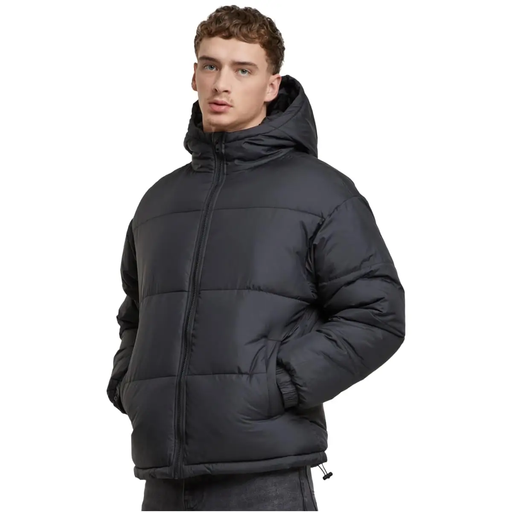
Why this is a good match: A practical winter coat for daily use, running errands and commuting. The hood and synthetic filling are designed for warmth on cold days.
The product information specifies the material, filling, lining and a size chart. Note that the description does not mention a hydrostatic head rating, so don't choose this jacket solely for prolonged rain.
100% polyester filling, polyamide outer fabric and hood; machine washable according to the product information.

Why this is a good match: For those who want a single system for different weather conditions and outdoor activities. According to the product description, the jacket consists of a shell and a down inner jacket.
The layers can be worn separately or combined. This allows you to adjust the insulation instead of using one extremely thick jacket for every season.
GORE-TEX outer material according to the product information, taped seams, pit zips and 550 fill power down insulation.
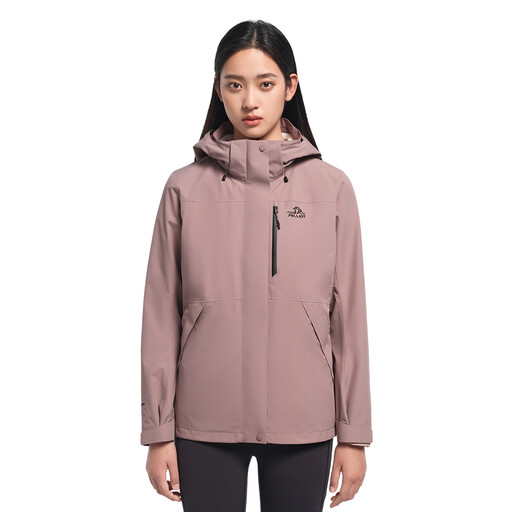
Why this is a good match: Aimed at camping, trekking and commuting where protection against rain, wind and changing temperatures is needed.
The product description mentions a hydrostatic head of 35,900 mm, an MVTR of 16,000 g/m²/24h and over 40,000 abrasion cycles. According to the product description, the three wearing options help to limit overheating from a fixed winter layer.
3-in-1 construction, fleece inner layer, adjustable hood, hem and cuffs; the tests mentioned are taken from the product description.

Why this is a good match: A technical shell for running, training and active outdoor moments where low weight and freedom of movement are important.
According to the product description, the jacket has sealed seams and a DryVent fabric. The description also mentions elasticated cuffs and zipped pockets, so the fit and storage are not just based on looks.
100% recycled polyester according to the product information, hood and zipped pockets; standard fit with sizes from XS to 3XL.
We've put together a complete, up-to-date list of products that fully meet these strict selection criteria and comply with current European safety regulations.
Wash the jacket according to the label. Do not use bleach if it is not permitted and only treat a water-repellent coating according to the manufacturer's instructions. This will prevent incorrect washing from degrading the fabric's properties more quickly.
The lifespan depends on use, friction, washing and maintenance. Regularly check the seams, zips and outer layer. When water no longer beads off, it doesn't always mean the membrane is leaking, but the outer fabric can become wetter and less comfortable. For re-proofing, always follow the instructions on the label.
Not always. A shell jacket mainly protects against rain and wind and often needs an extra fleece, jumper or insulation layer. For cold days, a winter coat with synthetic filling, a down layer or a fleece lining is more suitable. A 3-in-1 jacket allows you to adjust the level of insulation.
With normal use, maintenance mainly consists of washing according to the label and allowing it to dry properly. Over time, a new water-repellent treatment may be necessary. The cost varies depending on the product and the maintenance agent. Therefore, when buying, look not only at the price but also at the washing instructions, drying method and the availability of suitable re-proofing products.
