
Vandaag of morgen in huis

Kwaliteit gegarandeerd

Welkomstaanbiedingen ontgrendelen: GRATIS bezorging | Tot 80% korting | Gratis 30 dagen JoyPlus-proefperiode
Download de app
A waterproof outdoor jacket in the UK has to cope with more than just a quick shower. Whether you’re cycling, hiking or commuting, you’ll face wind, prolonged rain and fluctuating temperatures. Yet a flashy label doesn’t always tell you how well a jacket will actually perform.
These common pitfalls often catch people out:
Check whether the product information describes a waterproof jacket or simply a water-repellent outer layer. A hardshell jacket is generally designed as a protective outer layer and can be suitable for rain and wind. Also look out for terms like:
A stated water column rating, such as 35,900 mm H₂O, is a technical measurement taken from the product description. According to PELLIOT’s product information, this value is based on the JIS method. The measurement is useful for comparison, but it doesn’t tell you everything about how a jacket performs in daily use. Maintenance, wear and tear, and the condition of the seams also play a part.
For walking, trekking and cycling, a breathable jacket is often more practical than a heavily insulated one. Manufacturers use a figure such as the MVTR rating, expressed in grams per square metre per 24 hours. According to PELLIOT’s own product information, one of their 3-in-1 models has an MVTR rating of 16,000 g/m²/24 hr.
Treat this as a comparison figure, not a guarantee that you’ll stay completely dry. Your pace, the humidity and the clothing you wear underneath all affect comfort. Underarm ventilation zips, a mesh lining and an adjustable hem can also make a real difference in practice.
A rain jacket or hardshell jacket is primarily an outer layer. For cold days, you combine it with a fleece or an insulating mid-layer. A winter jacket or parka usually already has synthetic insulation, making it more suitable for everyday wear in cold weather.
Look out for:
A waterproof jacket for men and a waterproof jacket for women differ in more than just sizing. The length, shoulder shape and available size ranges can also vary. So always check the specific size chart for the product, rather than just relying on S, M or L.
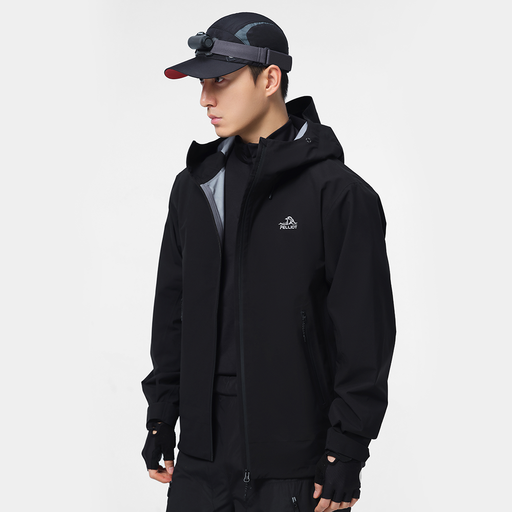
Why this fits the profile: A unisex hardshell for anyone who wants one jacket for everyday use, walking and light trekking. The black version also works for the daily commute.
The product information states a waterproof, wind-resistant outer layer and a breathable mesh or technical lining. Do check the size if you plan to wear layers underneath.
Sizes XS to XXL; stated chest width from 108 to 130 cm; abrasion-resistant material according to the product description.
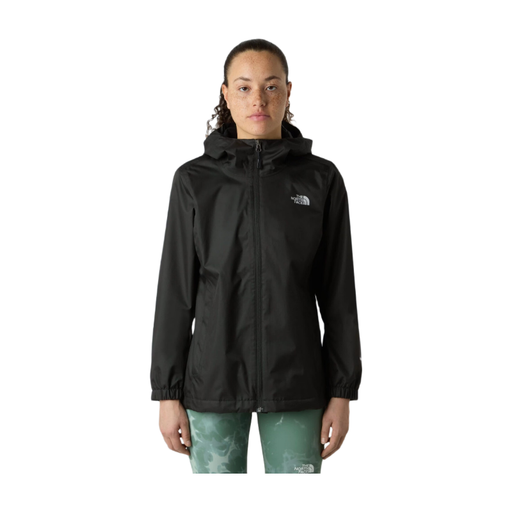
Why this fits the profile: This walking jacket is aimed at women who want a technical shell for hikes and changeable weather.
According to the brand’s product information, the jacket has fully sealed seams and a DryVent outer layer. It is a shell, not an insulated winter jacket.
Adjustable hood, elasticated cuffs, drawcord at the hem and two zip pockets.
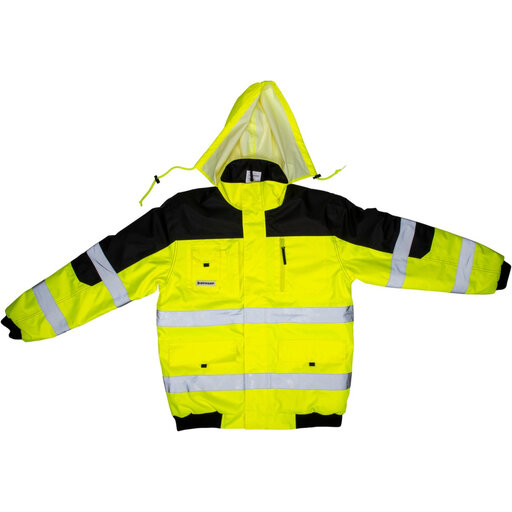
Why this fits the profile: A high-visibility work jacket for professionals who work outdoors and need to stay visible in bad weather or traffic environments.
The product description mentions double-stitched and heat-sealed seams, plus a polyurethane-coated polyester fabric. Always check the required safety class for professional use.
Fluorescent yellow design, reflective strips and mesh lining according to the product information.
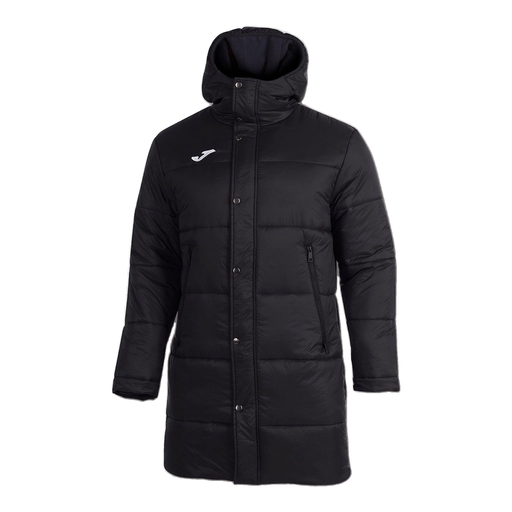
Why this fits the profile: An insulated parka for everyday wear, cold commutes and outdoor activities where warmth matters more than an ultra-light design.
The product information mentions an insulated construction and a water-repellent outer layer. This makes the jacket different from a lightweight rain jacket; for intense activity, a shell with better ventilation may be more practical.
Synthetic insulation, adjustable hood and cuffs, multiple pockets and a waterproof design according to the product specification.
We’ve put together a full, up-to-date list of products that fully meet these strict selection criteria and comply with current European safety regulations.
A waterproof jacket’s performance depends on proper care. Always follow the care label and keep these points in mind:
A jacket for trekking and cycling also needs room to move at the shoulders and enough length across the back. For camping, a 3-in-1 jacket can be more practical because you can use the outer shell and insulating inner layer separately.
Not always. According to the product specifications, a hardshell jacket primarily protects against rain and wind, but it is often uninsulated. Combine it with a fleece or an insulating layer. A parka or insulated winter jacket provides more warmth straight away, but can feel too warm during intense walking.
That depends on use, friction, washing and maintenance. The outer layer and water-repellent finish can become less effective over time. Regularly check whether water still beads on the fabric and follow the brand’s care instructions. A visible worn patch or damaged seam can reduce protection.
Choose a lightweight rain jacket or hardshell with a hood, adjustable cuffs, a longer back and enough room to move. For longer bike rides, breathability and ventilation are important. A thick parka is mainly suitable for relaxed everyday use and less so for intensive cycling.
