
Vandaag of morgen in huis

Kwaliteit gegarandeerd

Welkomstaanbiedingen ontgrendelen: GRATIS bezorging | Tot 80% korting | Gratis 30 dagen JoyPlus-proefperiode
Download de app
A waterproof outdoor jacket needs to cope with more than a brief shower in the UK. Whether you’re cycling to work, walking in the countryside or spending a weekend camping, rain, wind and physical exertion can quickly come and go. But a striking product name tells you little about how practical a jacket will be.
As a Joybuy Product Recommendation Officer, I focus on the product details that matter in practice. This guide will help you see which features are relevant and which marketing claims are worth checking before you buy a waterproof walking jacket.
A jacket may be described as waterproof without giving a hydrostatic head rating in millimetres. This rating indicates how much water pressure a material can withstand under a particular test method. A basic rain jacket may be enough for everyday use, but for prolonged rain, cycling or trekking, taped seams, a well-sealed zip and an adjustable hood are also important.
If the hydrostatic head rating isn’t listed, that doesn’t automatically mean the jacket is unsuitable. It does mean you can’t directly compare the claim with those made for other models.
A breathable rain jacket allows moisture-laden air to escape from the inside. You may still get condensation during strenuous activity, especially when the temperature outside is low or the jacket has no ventilation openings. So don’t just look for the word “breathable” – check for:
A hardshell jacket will generally protect you better from wind and rain than a thin poncho, but it may feel warmer when you’re moving around a lot.
An outdoor jacket that fits well over a T-shirt may feel too tight with a warm mid-layer underneath. Always check the chest measurement, sleeve length and jacket length. A unisex outdoor jacket often has a straighter cut. This can be useful for layering, but it may not fit as closely on some body shapes.
Also consider the difference between a women’s waterproof jacket and a men’s waterproof jacket. The size guide and cut matter more than the general description in the product title.
Three features are particularly useful in a waterproof walking jacket:
Check whether the product lists a specific hydrostatic head rating. If it doesn’t, compare the construction and intended use instead. A jacket for everyday commuting doesn’t need the same features as a trekking jacket designed for prolonged exposure to bad weather.
“Highly breathable” is difficult to compare without a measurement. Look for practical features such as mesh, ventilation zips and a relaxed fit. For example, PELLIOT Rock Shell models list longer underarm zips for extra airflow. According to the product information, these are designed to help release heat and moisture during activity. This is a product claim; your experience will depend on your activity, clothing layers and the weather.
A hard-wearing material is useful for rocky terrain or woodland walks. Branches, rucksack straps and contact with rocks can damage a thin jacket more quickly. Also check the care instructions:
According to the product information, the PELLIOT Waterproof Jacket has recycled material in its outer fabric. This is a specific detail about the material, but it doesn’t in itself mean the whole product or its entire supply chain is sustainable. When choosing a sustainable outdoor jacket, also check its expected lifespan, repair options and care requirements.
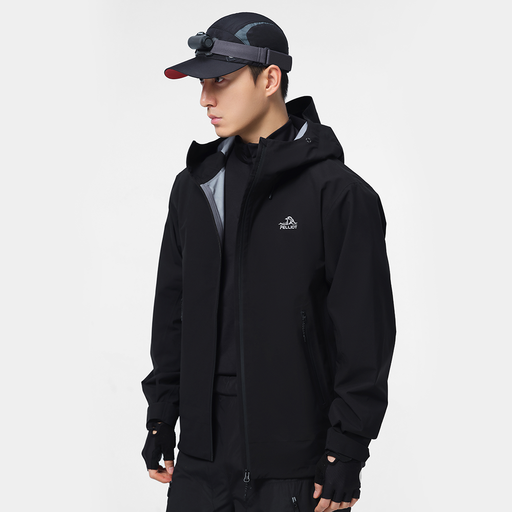
Why it suits this profile: This unisex hardshell is designed for everyday wear, walking and light trekking. The black colour and straight cut also work well for commuting.
The product information mentions water and wind resistance, breathable mesh or technical fabric, and a hard-wearing outer material. Before buying, check the available size guide and details about the seams.
Available in several sizes; according to the product information, the outer fabric contains recycled material.

Why it suits this profile: This women’s jacket is designed for walking and changeable conditions. The stated sizing and women’s fit make it easier to compare with other models.
According to the product description, the jacket has fully sealed seams, a DryVent outer layer, an adjustable hood and adjustable cuffs. Check the care label to maintain the water-repellent finish.
Mesh lining, two zipped pockets and an adjustable hem; according to the product information, the material is 100% polyester.
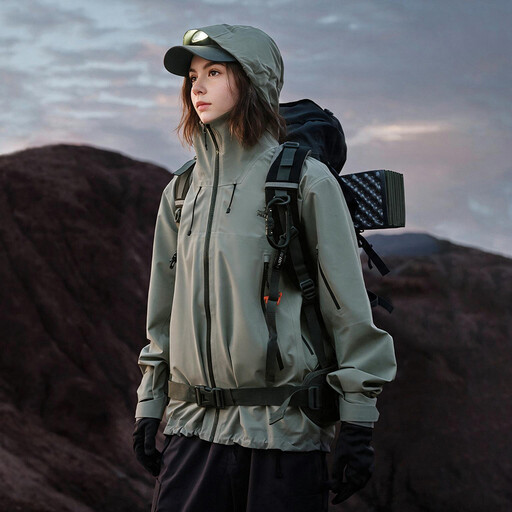
Why it suits this profile: This model is designed for camping, trekking and demanding activities where freedom of movement and ventilation matter.
According to the product information, the jacket has longer underarm ventilation zips, a more elastic outer fabric and a hard-wearing design. The RECCO claim should be seen as a safety feature, not a substitute for preparation or local safety guidance.
Ventilation zips, a zipped chest pocket and a RECCO reflector according to the product description; available in a wide range of sizes.
We’ve put together a complete, up-to-date list of products that meet these strict selection criteria and the applicable European safety requirements.
A hardshell jacket isn’t automatically suitable for cold conditions. When temperatures drop, wear it with a thermal base layer and an insulating mid-layer. This lets the outer jacket focus on protecting you from rain and wind.
It depends on how often you wear it, how much friction it experiences, how you wash it and how you store it. A jacket worn regularly under a heavy rucksack will wear faster around the shoulders and hips. Wash technical clothing according to the care label and check the coating, seams and zips regularly. If the outer fabric becomes less water-repellent, it doesn’t necessarily mean the membrane has worn out; it may simply need cleaning or reproofing.
No. The price doesn’t tell you everything about waterproofing or breathability. Compare the hydrostatic head rating, seams, fastenings, ventilation and fit. If there’s no technical rating, base your choice on the construction and intended use rather than just the brand name or price.
You can, but usually with different layers underneath. In summer, a hardshell may feel too warm during strenuous activity. In winter, a thin waterproof jacket often won’t provide enough insulation without a fleece or down layer. A versatile jacket is most practical when you can adapt the layers underneath to suit the weather.
