
Vandaag of morgen in huis

Kwaliteit gegarandeerd

Welkomstaanbiedingen ontgrendelen: GRATIS bezorging | Tot 80% korting | Gratis 30 dagen JoyPlus-proefperiode
Download de app
A good waterproof outdoor jacket needs to do more than just keep the rain out. In the UK, you often have to contend with wind, prolonged drizzle and fluctuating temperatures. If you only look at a flashy marketing term or a low price, you could end up after a few months with a jacket that leaks, feels clammy or doesn’t have enough room for an extra layer.
The right choice therefore depends on how you’ll use it: daily cycling, walking in the countryside, camping, trekking or winter sports all call for different features.
A water-repellent jacket will keep light rain at bay temporarily, but it isn’t automatically suitable for a long walk in a downpour. Check whether the product information mentions a waterproof membrane, taped seams and a clear hydrostatic head rating. Without these details, it’s difficult to objectively assess the rain protection.
A jacket can keep rain out, yet still feel clammy during a climb or a strenuous bike ride. A breathable outdoor jacket wicks moist air from the inside to the outside. Look for a stated MVTR rating, ventilation zips or a mesh lining. Bear in mind that breathability still depends on your level of exertion, the temperature and the layers you wear underneath.
A hardshell jacket is usually worn as an outer layer. A slim fit can therefore become uncomfortable as soon as you put on a fleece or an insulating jumper. Don’t just look at your usual clothing size; also check the chest width, shoulder width and sleeve length. For strenuous walking, freedom of movement and adjustable cuffs matter more than a fashionable, narrow cut.
The hydrostatic head is expressed in millimetres of water pressure. A higher value indicates greater resistance to water pressure, for example during prolonged rain or when a rucksack presses against the fabric. The number alone doesn’t tell the whole story: taped seams, well-sealing zips and an adjustable hood all help determine how dry you stay.
For the PELLIOT Fleece-lined jacket, the product description states a hydrostatic head of 35,900 mm H₂O according to JIS. The manufacturer gives this as a material specification; it is not a guarantee that the jacket will stay completely dry in every condition.
MVTR stands for the amount of water vapour a fabric can let through in 24 hours, usually given in g/m²/24h. A higher figure can be beneficial during exertion, but the practical experience also depends on ventilation openings and the humidity level.
A windproof jacket with underarm zips can be more comfortable during trekking than a model without ventilation options. Openings can release excess heat more quickly, especially when climbing or walking at a brisk pace.
A thin shell is suitable as a rain and wind layer, but offers little warmth. Combine it with a fleece or down layer if you need flexibility. A 3-in-1 jacket typically includes an outer layer and a removable inner layer. You can wear them separately or together, depending on the weather.
A fleece-lined jacket is more practical for cold commutes and camping weekends, while a lightweight trekking jacket is better suited to exertion in mild conditions. For winter sports or mountain walking, adjustable cuffs, plenty of room to move and reliable protection around the zips are especially important.
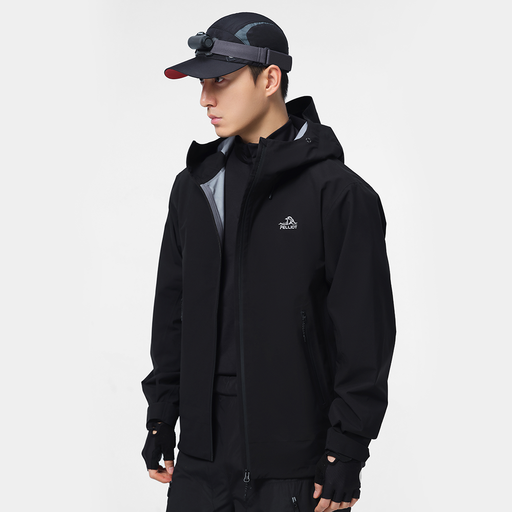
Why this suits the profile: This unisex rain jacket is designed for daily use, walks and light trekking. The size range runs from XS to XXL, so you can choose a normal or roomier layering fit.
The product description mentions a hardshell construction, wind resistance and a breathable mesh or technical lining. Do check the current product details for information on seams and care.
Unisex design, nylon or polyester blend according to the product information, and a choice of multiple sizes and colours.

Why this suits the profile: If you want one jacket for changing conditions, you can wear the two layers separately or combined. That works well for travel, walking and daily use.
The Triclimate 3-in-1 system means you don’t need a separate jacket for every season. The product description also mentions taped seams, underarm zips and adjustable cuffs.
According to the product information, it features a protective shell, a down inner jacket with 550 fill power, ventilation zips and an adjustable hem.
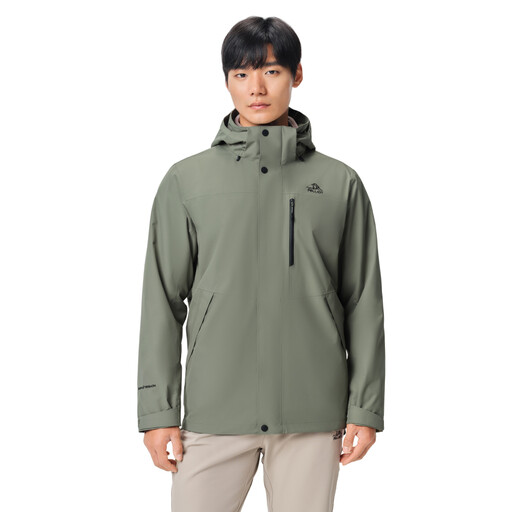
Why this suits the profile: This fleece-lined jacket is aimed at camping, mountain trekking and commuting in colder conditions. The 3-in-1 construction offers different wearing options.
According to the product description, the hydrostatic head, MVTR and abrasion resistance are each specified separately. An adjustable hood, cuffs and hem are also mentioned.
According to its own product information: 35,900 mm H₂O, 16,000 g/m²/24h and more than 40,000 abrasion cycles. The inner layer is removable.
We’ve put together a full, up-to-date list of products that fully meet these strict selection criteria and comply with current European safety regulations.
Measure a jacket that fits you well and compare the dimensions with the size chart on the product page. Pay particular attention to:
A men’s waterproof jacket and a unisex rain jacket can fit differently, even when the letter size is the same. So always use the actual centimetres from the size chart.
Wash your outdoor jacket according to the label and close all zips and Velcro fastenings beforehand. Do not use fabric softener if the product information advises against it. Air-dry the jacket and avoid direct heat. Check the outer fabric from time to time: if water no longer beads on the surface, re-impregnating it according to the instructions can help. Damaged seams or a peeling coating are signs that the jacket should no longer be relied upon as full rain protection.
That depends on the combination of waterproofing, breathability and ventilation. For strenuous walking, a hardshell jacket with a breathable membrane and underarm zips is often more practical than a heavily insulated parka.
A 3-in-1 jacket can be warmer when the inner layer is insulating and both layers are worn together. A separate rain jacket usually only offers protection against wind and precipitation. Always check the type of lining and the available wearing options.
The lifespan depends on use, washing, storage and exposure to abrasive rucksack straps or branches. Regular maintenance and careful washing help preserve the fabric’s properties for longer. No coating will keep working indefinitely.
