
Vandaag of morgen in huis

Kwaliteit gegarandeerd

Welkomstaanbiedingen ontgrendelen: GRATIS bezorging | Tot 80% korting | Gratis 30 dagen JoyPlus-proefperiode
Download de app
In the UK, a waterproof outdoor jacket needs to handle more than just a brief shower. Whether you're hiking in the countryside, cycling to work, or on a camping weekend, rain, wind and temperature can often change quickly. However, a prominent "waterproof" label doesn't tell you everything about a jacket's comfort or practicality.
As a Joybuy Product Recommendation Officer, I filter product information based on verifiable features. This helps you see which properties are relevant and which marketing claims are worth a closer look.
A jacket can keep rain out but still feel clammy during a brisk walk. This is because waterproofing and breathability are two different properties. Always check if the product information includes a breathability rating, such as an MVTR value. If this information is missing, it's difficult to compare performance during physical activity.
A simple rain jacket for everyday use isn't automatically suitable for trekking or mountain hiking. A hardshell jacket typically has a more robust outer layer, wind protection, and sometimes reinforced or sealed seams. For the daily commute, a lightweight jacket may be sufficient; for rocky terrain, abrasion resistance, hood adjustability and ventilation are more important.
An outdoor jacket is often worn over a fleece or an insulated jacket. If you only consider your body measurements, you might end up buying a jacket that's too tight. Compare your chest, shoulder and sleeve measurements with the size chart for the specific model. Additionally, unisex models can fit differently from women's or men's specific designs.
The water column, expressed in millimetres (mm) or mm H₂O, indicates how much water pressure the fabric can withstand according to a specific test method. A higher value can be important in prolonged rain, snow or when wearing a heavy backpack. However, this rating doesn't tell the whole story: zips, seams and the construction of the hood also play a crucial role.
Look out for terms like:
Always check the washing instructions. Fabric softener and high temperatures can damage the properties of technical fabrics.
A breathable waterproof jacket wicks moisture away from the inside to the outside. This is particularly important for hiking, cycling and trekking. An MVTR value is usually given in grams per square metre per 24 hours (g/m²/24h). According to the product information for the PELLIOT 3-in-1 models, the stated MVTR is 16,000 g/m²/24h, measured according to the JIS standard. This is a manufacturer's specification; your actual experience can depend on exertion level, humidity and the layers you're wearing.
Zips under the arms (pit zips) are a practical addition. They provide extra air circulation when you're moving more intensely, without you having to open the entire jacket.
For a hiking or mountain walking jacket, adjustable cuffs, a drawcord in the hem and a well-fitting hood are useful features. A jacket that's too loose can let in wind, while one that's too tight restricts your freedom of movement and leaves no room for a mid-layer.
If you often wear a backpack with your camping or trekking jacket, it's a good idea to pay attention to durability. According to the product information for the PELLIOT 3-in-1 jackets, the fabric has been tested for 40,000+ abrasion cycles. This is a test result provided by the manufacturer and not a guarantee of a specific lifespan.
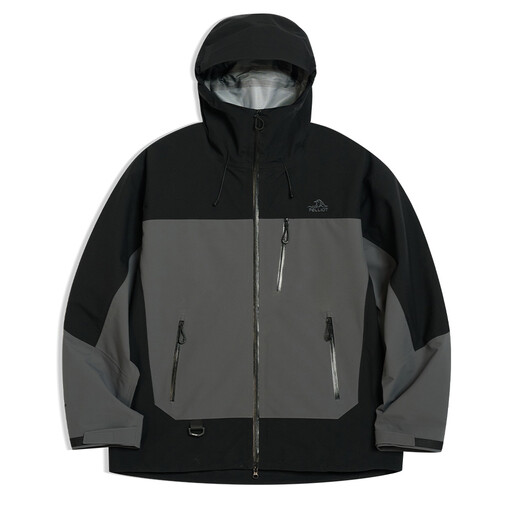
Why it fits this profile: A practical black hardshell for urban use, walking and occasional camping trips. The size chart lists a chest circumference of 121 cm for a size M.
Besides being waterproof, the product information also mentions windproofing, breathability and abrasion resistance. This encourages you to look beyond just the word "waterproof".
Unisex model, adjustable layering thanks to the roomy fit, and machine washable on a cold, delicate cycle according to the product information.

Why it fits this profile: A 3-in-1 system for those who want a single jacket that adapts to changing conditions during travel, hiking and daily use.
According to the product description, the outer shell and inner jacket can be worn separately or together. This means you don't have to buy a different jacket for every temperature.
According to the product information: a GORE-TEX outer shell, 550-fill-power down in the inner jacket, taped seams and pit zips.
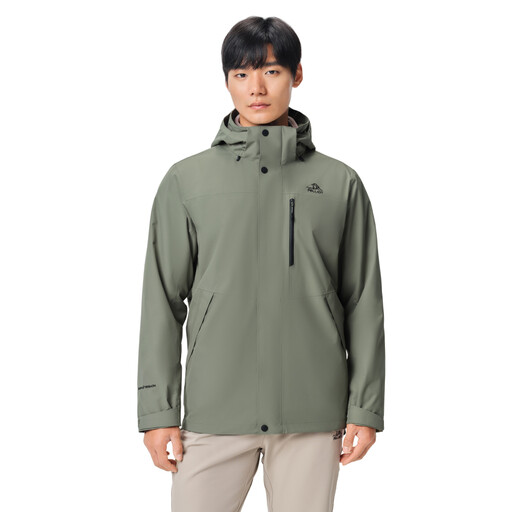
Why it fits this profile: Suitable for camping, winter walks and trekking when you need a combination of rain protection and insulation.
The jacket consists of an outer shell and a removable lining. According to the product information, both layers can be worn separately or together.
Stated water column of 35,900 mm H₂O, MVTR of 16,000 g/m²/24h and a listed abrasion resistance of 40,000+ cycles.
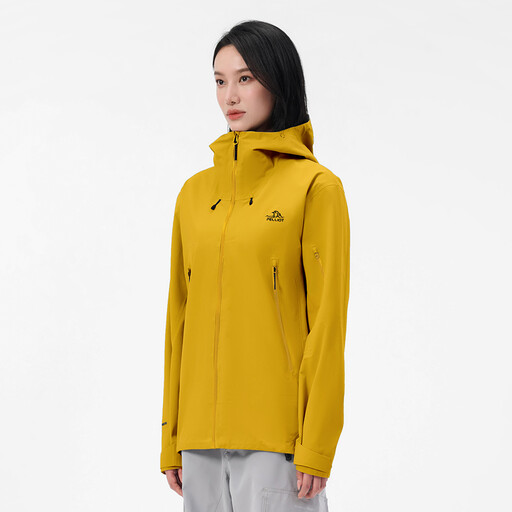
Why it fits this profile: A bright yellow colour can be practical in bad weather and is well-suited for commuting, woodland walks and travel.
The jacket features longer ventilation zips under the arms and a mesh lining. This shows a greater focus on moisture management than a simple windproof jacket.
Lighter, elastic fabric according to the product description, windproof construction, adjustable fit and a zip pocket on the sleeve.
We've put together a complete, up-to-date list of products that fully meet these strict selection criteria and comply with current European safety regulations.
Use the size chart on the product page and compare at least these four points:
With American size charts, pay attention to the units used. The PELLIOT charts are shown in centimetres, whereas some The North Face charts list chest and hip measurements in inches.
The lifespan of a durable outdoor jacket depends on use, friction, washing and maintenance of the water-repellent outer layer. Close all zips and hook-and-loop fasteners before washing, use a mild detergent and follow the care label. Avoid bleach and high-temperature drying unless permitted.
A coating that no longer beads water effectively doesn't automatically mean the membrane has failed. However, you may need to re-proof it according to the manufacturer's instructions. Check the seams, zips and cuffs regularly, especially if you often wear the jacket with a backpack.
It can be, provided the jacket offers enough freedom of movement, an adjustable hood and good ventilation. For intensive cycling, pit zips or other ventilation openings are useful. A longer back can provide extra coverage, but check that it doesn't get in the way when you're on your bike.
An outdoor rain jacket is often lightweight and compact, designed for protection during a downpour. A hardshell jacket is usually more robustly constructed and intended for prolonged use in wind, rain and rougher terrain. Don't just look at the name; compare the water column, seams, breathability, zips and durability.
Normal maintenance mainly involves washing it according to the care label and allowing it to dry properly. Over time, a re-proofing treatment may be needed to keep the outer fabric water-repellent. The cost depends on the product you use and how often you wear the jacket. Store a technical jacket in a dry place and avoid leaving it in a damp bag for long periods.
