
Vandaag of morgen in huis

Kwaliteit gegarandeerd

Welkomstaanbiedingen ontgrendelen: GRATIS bezorging | Tot 80% korting | Gratis 30 dagen JoyPlus-proefperiode
Download de app
A waterproof outdoor jacket may seem easy to choose at first. However, models vary considerably in fit, ventilation, wind protection and practical details. A jacket that’s comfortable for commuting may become too warm on a long walk. A lightweight rain jacket may not offer enough protection from branches, rucksack straps or cold winds when you’re camping.
So don’t rely solely on phrases such as “storm-proof”, “breathable” or “durable”. Check which specifications are actually provided and whether they suit the way you’ll use the jacket in the UK.
A sealed outer layer can keep out rain, but walking or cycling creates heat and moisture inside the jacket. Check whether it provides information about breathable fabric, ventilation openings or a mesh lining. A jacket without practical ventilation can feel clammy on a climb or brisk walk.
Bear in mind that terms such as “highly breathable” often come from the brand’s product description. Without a stated measurement, such as a hydrostatic head rating or MVTR score, you can’t make a direct technical comparison between different models.
A waterproof jacket for walking should have enough room for a fleece or lightweight down jacket underneath. However, an overly loose jacket can flap in the wind and feel less comfortable under a rucksack. Check your body measurements as well as the stated garment measurements.
With unisex models, it’s particularly important to measure your shoulders, chest and sleeve length. Don’t choose based solely on your usual size.
“Suitable for all weather conditions” tells you little about the seams, zips, hood adjustment or care requirements. Check the following:
A jacket may be described by the manufacturer as waterproof and windproof, but the product information doesn’t always include an EN rating, hydrostatic head or breathability rating. So base your decision on the details you can actually check.
A hardshell jacket usually has a protective outer layer designed to keep out rain and wind. Check the fabric, zip closures and hood. A high collar and adjustable cuffs help reduce gaps around your neck and wrists.
The PELLIOT models in this selection are described in their product information as waterproof, windproof and hard-wearing. These are manufacturer claims; no specific hydrostatic head or laboratory test result is provided for these models. Use the jacket as recommended and follow the care instructions.
According to the product description, a breathable walking jacket moves moisture from your body to the outside. However, ventilation is still important during strenuous activity. Practical features to look for include underarm zips, a mesh lining and a fit that allows you to move freely.
A basic waterproof jacket may be enough for gentle walks or commuting. For hillwalking, trekking or carrying a heavy rucksack, ventilation zips and hard-wearing fabric are more important.
When trying on the jacket, wear the layer you’d normally wear underneath it. For example, the PELLIOT Hard shell jacket Black M is listed with a chest measurement of 121 cm and a sleeve length of 60.2 cm. Your corresponding body measurements may differ, as these are garment measurements.
Some models also include a sizing guide based on height and weight. Treat this as a guide, not a substitute for measuring your own chest, shoulders and arm length. For a jacket for camping or winter trekking, sizing up may be practical, as long as the sleeves and shoulders aren’t too loose.
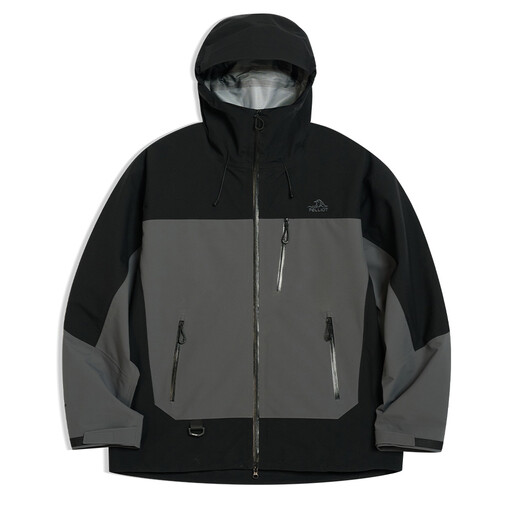
Why it suits this profile: This unisex model is designed for everyday wear, camping and walking. Size M has a stated garment chest measurement of 121 cm, leaving room for an extra layer.
The product page provides information about the fabric, sizing and care. This means you can check the fit and washing instructions in advance rather than relying on a marketing claim alone.
According to the manufacturer: waterproof, windproof and hard-wearing outer fabric; suitable for walking, travel and everyday wear.
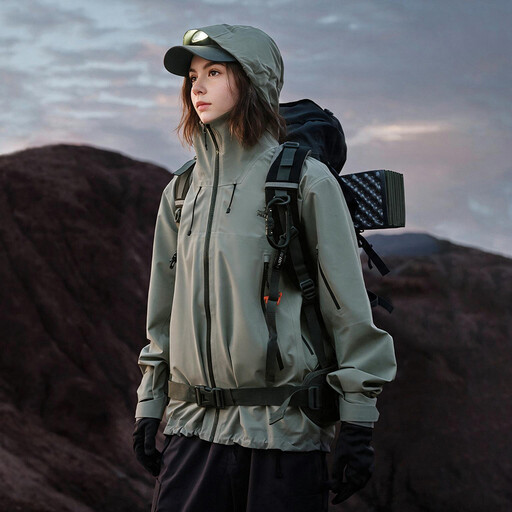
Why it suits this profile: This Pro model is designed for more demanding use on treks, hill walks and in changeable conditions.
The jacket features longer underarm ventilation zips. This is a specific detail to help regulate heat and moisture, rather than just a general claim about breathability.
Lighter, more elastic fabric according to the product description; ventilation zips, mesh lining and a RECCO reflector are listed.
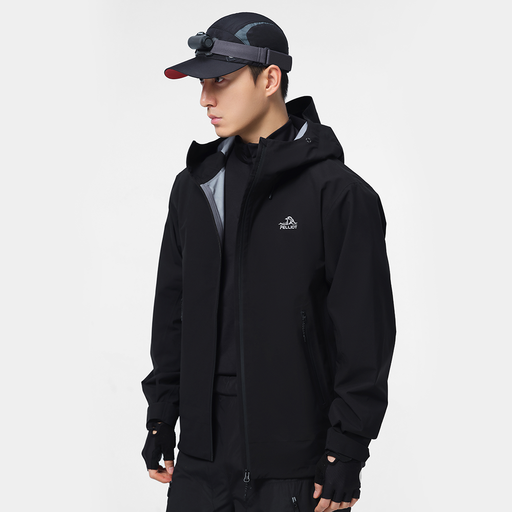
Why it suits this profile: Its stated uses make it a good fit for water activities, mountain trekking and travel where a compact, functional hardshell is useful.
The product page lists specific measurements, fabric construction and care instructions. If you plan to wear a thicker mid-layer, it recommends considering a larger size.
According to the manufacturer: water- and wind-resistant hardshell, breathable mesh or technical fabric, and hard-wearing material.
We’ve put together a complete, up-to-date list of products that meet these strict selection criteria and applicable European safety requirements.
A waterproof trekking jacket relies on proper care to keep performing well. Fasten the zips and hook-and-loop fastenings before washing, and always follow the care label. For the PELLIOT models mentioned, a cold wash on a delicate cycle is recommended. Bleach, tumble drying and dry cleaning are not recommended.
Don’t use fabric softener if the product information advises against it. It can affect the performance of technical fabrics. Hang the jacket up to air-dry and, after washing, check that the zips, cuffs and seams still close properly.
It can be, especially if it has a hood, adjustable cuffs and plenty of room to move. Ventilation zips are useful for more strenuous cycling. Also check that the back is long enough to keep you covered when you lean forwards.
Look for a stated hydrostatic head rating, a relevant standard, taped seams, and information about the zips and construction. If these details aren’t provided, it’s harder to compare the jacket’s technical waterproofing. So distinguish a manufacturer’s claim from an independently measured result.
Routine care usually involves washing according to the label, air-drying and keeping the zips clean. Over time, you may need to reapply a water-repellent treatment, depending on the fabric and care instructions. Only use a product that’s suitable for the fabric in question.
