
Vandaag of morgen in huis

Kwaliteit gegarandeerd

Welkomstaanbiedingen ontgrendelen: GRATIS bezorging | Tot 80% korting | Gratis 30 dagen JoyPlus-proefperiode
Download de app
A waterproof outdoor jacket needs to cope with more than a passing shower in the UK. The weather can change quickly while you’re out walking, and cycling, camping or travelling also call for wind protection and freedom of movement. But a prominent “waterproof” label doesn’t tell you everything about comfort or practicality.
Before you buy, look out for these common pitfalls:
Check whether the product description mentions waterproof fabric, a membrane and seam-sealed or taped seams. Seams and zips are often vulnerable points. A hardshell jacket is generally designed to protect you from rain and wind, while a windproof jacket mainly keeps draughts out.
A hydrostatic head rating, for example one expressed in mm, gives a technical indication of resistance to water pressure. Bear in mind that this rating doesn’t automatically tell you how the jacket will perform in prolonged rain, after wear or around the zips. When a brand makes a claim, it’s worth noting that a particular level of protection is according to the brand’s product description.
For walking, trekking and running, breathability is just as important as waterproofing. Look for features such as a mesh lining, zipped vents or a breathable membrane. A jacket with underarm zips can be useful when you need extra ventilation on a climb or brisk walk.
A higher MVTR rating, expressed in grams per square metre per 24 hours, is generally used as an indication of moisture vapour permeability. This laboratory measurement doesn’t guarantee comfort in every situation. Temperature, clothing layers, exertion and fit all play a part too.
Don’t choose a men’s or women’s jacket based only on the letter on the label. Measure your chest, waist, hips and arm length using the product’s size guide. Also consider whether you’ll need room for:
An outer layer made from polyester or nylon can be lightweight and practical. Some styles specify recycled polyester and a Non-PFC DWR finish. These are material properties, not proof that a jacket will be sustainable or stay waterproof for a long time in all conditions. Wash the jacket according to its care label, and only reapply a coating if the manufacturer recommends it.
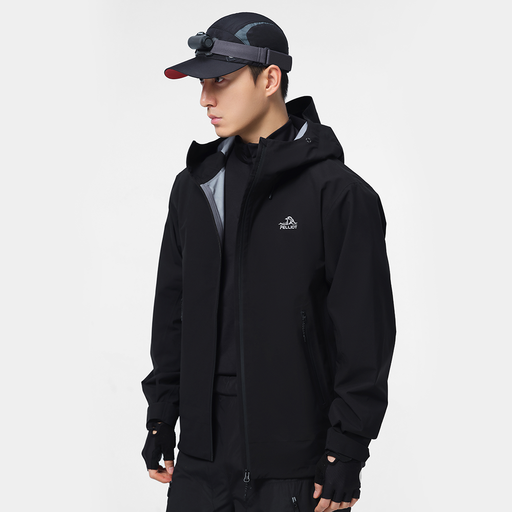
Why it suits this profile: This unisex style is aimed at everyday wear, commuting and light walks. The size guide lists chest, shoulder and sleeve measurements, so you can compare the fit before ordering.
The description mentions a waterproof outer layer, wind resistance and a mesh or technical textile inner lining. Before buying, check the current material specifications and size guide.
Hardshell construction, a hood and a straight fit with room for a light mid-layer.
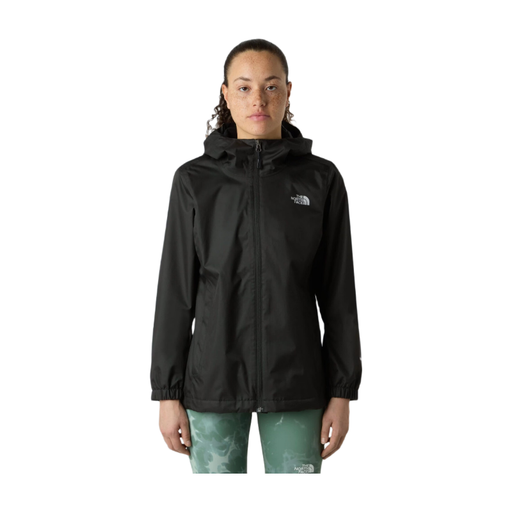
Why it suits this profile: According to the product description, this women’s jacket is designed for walking and rainy conditions that can change quickly. The fixed hood, adjustable hem and mesh lining make it practical for regular outdoor use.
The product information specifies fully sealed seams and DryVent fabric with waterproof, windproof and breathable properties. This makes the technical details easier to check than a general claim of rain resistance alone.
Adjustable hood, elasticated cuffs, two zipped pockets and a 100% polyester 2L DryVent outer layer.

Why it suits this profile: According to the product description, this men’s jacket is designed for outdoor training and running. Its standard fit and internal elastic details are made for active movement.
The description mentions DryVent fabric, sealed seams and a DWR finish. As this is an outer layer without built-in warm lining, you can choose your own fleece or insulating layer.
100% recycled polyester according to the product information, a hood, a chest pocket and zipped hand pockets.
We’ve put together a complete, up-to-date list of products that meet these strict selection criteria and the applicable European safety requirements.
No. Waterproofing and breathability are different properties. Look for a breathable membrane, mesh lining or zipped vents if you’ll be using the jacket for walking, running or trekking. A hardshell jacket can protect you from the rain but still feel warm during intense activity.
Always follow the care label. In general, use a mild detergent, fasten zips and hook-and-loop fastenings, and avoid fabric softener. Leave the jacket to dry according to the instructions. A DWR finish may become less effective over time; only reproof the jacket if the material and care instructions allow it.
It depends on how you’ll use it. A 3-in-1 jacket usually combines an outer layer with a fleece or insulating layer. You can wear the layers separately or together, which is useful when temperatures vary. For summer walks or running, however, a lightweight waterproof jacket may be less bulky. So consider pack size, warmth, ventilation and room for extra layers.
