
Vandaag of morgen in huis

Kwaliteit gegarandeerd

Welkomstaanbiedingen ontgrendelen: GRATIS bezorging | Tot 80% korting | Gratis 30 dagen JoyPlus-proefperiode
Download de app
A waterproof outdoor jacket needs to cope with more than a passing shower in the UK. Whether you’re walking, cycling, camping or commuting, you may face prolonged rain, strong winds and changing temperatures. But a product title that says “waterproof” doesn’t tell you everything. A jacket may keep out the rain, for example, but offer too little breathability or not leave enough room for an extra layer.
The following points will help you assess marketing claims and choose a waterproof walking jacket, hardshell jacket or 3-in-1 jacket that suits the way you plan to use it.
Waterproofing depends on more than the fabric. Zips, seams, cuffs, hood and hem finish all affect how much rain stays out. Check whether the product description mentions taped seams, a hydrostatic head rating or a waterproof membrane.
Bear in mind that performance claims often come from the brand’s product information. For example, according to PELLIOT’s product description, one of its 3-in-1 models has a hydrostatic head rating of 35.900 mm H₂O according to JIS. This is a stated test result, not a guarantee that the jacket will keep you completely dry in every condition.
A jacket may keep out the rain but still feel warm and clammy on a brisk walk. A breathable waterproof jacket helps moisture vapour escape, but the result also depends on how hard you’re working, humidity, what you’re wearing underneath and the fit.
Check whether an MVTR rating is given. According to the PELLIOT women’s model product description, its rating is 16.000 g/m²/24 hours according to JIS. Use figures like this mainly to compare models; real-world performance can differ from laboratory results.
An unlined hardshell jacket is useful in rain and wind, but it won’t necessarily keep you warm in cold temperatures. A fleece-lined jacket or 3-in-1 jacket offers more flexibility, as you can wear the outer and inner layers separately or together.
A winter outdoor jacket isn’t always the right choice for a cold camping trip. Also consider freedom of movement, pack size and whether there’s room to wear a fleece or thermal layer underneath.
Hydrostatic head is usually measured in millimetres of H₂O. A higher rating indicates greater resistance to water pressure, but it doesn’t tell you everything about the jacket’s construction. For everyday use, well-sealed zips, an adjustable hood and a longer back can be just as practical.
Also check:
A high MVTR rating can be useful for trekking and strenuous walks. But ventilation still matters. Underarm zips, a roomier cut and a lining that doesn’t cling to your base layers all help improve comfort.
A windproof jacket with an adjustable hem and cuffs will keep draughts out more effectively. For less demanding activities, such as shopping or travelling, a simple waterproof jacket may be enough. For hilly terrain or long bike rides, breathability and ventilation matter more.
Don’t just look at the percentage of polyester or polyamide. The weave, coating, membrane construction and seams all affect how a jacket performs. According to its product description, PELLIOT states that one of its women’s models has been tested for more than 40.000 abrasion cycles. This is a brand specification; the jacket’s actual lifespan also depends on washing, storage and use.
Always follow the care label. For the PELLIOT models mentioned, the instructions include washing on a cold, delicate cycle, closing the zips, not using bleach and not tumble-drying. The water-repellent outer layer may need attention over time. Use a suitable care product and follow the manufacturer’s instructions.
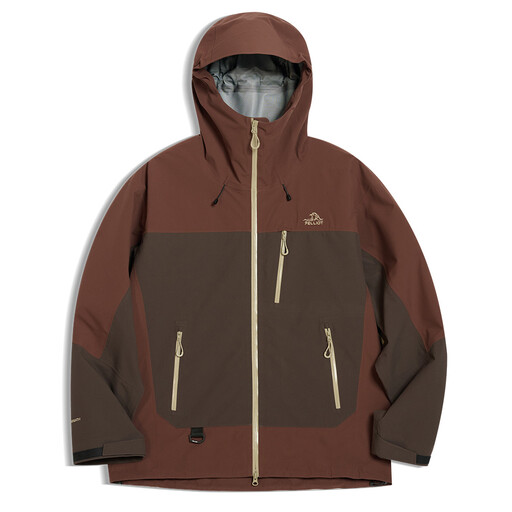
Why it suits this need: A practical hardshell jacket for everyday rain, walks and the occasional camping trip. The unisex fit and brown colour are easy to style.
The product description lists waterproof, windproof and hard-wearing properties. Before buying, check the details about the seams and fit.
Hardshell construction, hood and adjustable fit according to the product information.

Why it suits this need: A good choice for men looking for a technical jacket for running, training and active outdoor use, with a distinctive outdoor look.
According to the product description, the jacket has seam-sealed DryVent fabric and a PFC-free DWR finish. Check the label for the latest care instructions.
Made from 100% recycled polyester according to the product description, with a hood and several zipped pockets.

Why it suits this need: A 3-in-1 jacket for women who mix walking, camping, travel and everyday cycling. The purple colour offers an alternative to neutral outdoor jackets.
The separate shell and lining let you adjust the warmth to suit the conditions. PELLIOT also says that breathability and abrasion resistance have been tested according to the stated JIS and abrasion tests.
Hydrostatic head of 35.900 mm H₂O, MVTR of 16.000 g/m²/24 hours and sizes from S to XXXL according to the product information.
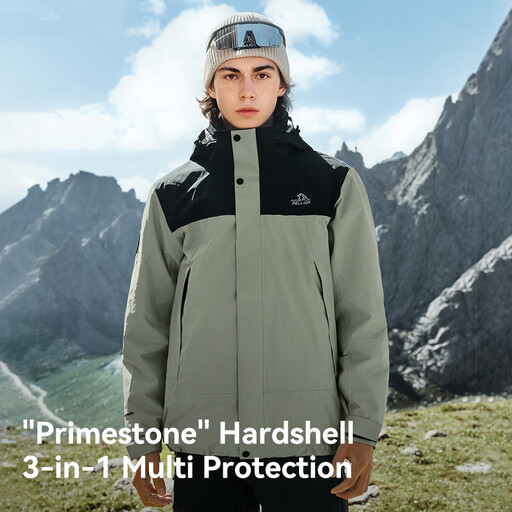
Why it suits this need: A lined outdoor jacket for men who want protection from changeable weather and extra warmth for travel, commuting or camping.
The fleece lining means you won’t have to rely on a thin shell alone on cold days. Check the sizing if you plan to wear an extra layer underneath.
Black and green colour combination, fleece lining and a design described in the product name as suitable for camping and travel.
We’ve put together a complete, up-to-date list of products that meet these strict selection criteria and the applicable European safety requirements.
An outdoor jacket for men often has broader shoulders and longer sleeves, while an outdoor jacket for women may fit differently across the chest, waist and hips. However, sizing isn’t consistent across brands. Measure your chest, waist and arm length, then compare them with the size chart for the specific model.
When choosing a trekking jacket, look for:
A jacket that’s too loose can let the wind in; one that’s too tight can restrict insulation and movement. So don’t automatically go up a size.
It depends on how you use it, the materials, washing and care. Frequent rubbing from a rucksack, using the wrong detergent and drying at high temperatures can damage the coating. Follow the care label and regularly check the seams, zips and water-repellent outer layer.
It can be, if the inner and outer layers together provide enough warmth and wind protection. The right temperature range varies from person to person and depends on the activity. You may need extra insulation if you’re sitting still in freezing weather, while the same combination could feel too warm on an active walk.
The price depends on the membrane, hydrostatic head, ventilation, lining, brand and finish. Don’t compare price alone: also look at the stated specifications, size chart, care requirements and intended use. That way, you won’t pay for features you’re unlikely to need on your walks.
