
Vandaag of morgen in huis

Kwaliteit gegarandeerd

Welkomstaanbiedingen ontgrendelen: GRATIS bezorging | Tot 80% korting | Gratis 30 dagen JoyPlus-proefperiode
Download de app
A waterproof outdoor jacket needs to cope with more than a passing shower in the UK. Whether you’re cycling, walking or trekking, you’ll encounter rain, wind, changing temperatures and sometimes strenuous activity. Yet a catchy product name tells you little about how suitable a jacket really is.
The most common buying mistakes come down to three pitfalls:
A hardshell jacket is generally designed as a protective outer layer against rain and wind. Check whether the product information mentions a waterproof laminate, taped seams, an adjustable hood and water-repellent zips. If these details are missing, “rain jacket” isn’t a clear enough technical specification.
A jacket with only a DWR finish is best suited to light moisture. For prolonged rain, a genuinely waterproof outer layer is a more practical choice. According to their product descriptions, the PELLIOT jackets in the selection below have a waterproof laminate and a mesh or technical lining. This information comes from the brand’s product description; it isn’t a substitute for independent hydrostatic head or seam testing.
A breathable rain jacket can be more comfortable for walking or trekking, but breathable fabric won’t automatically stop you getting too warm. Look for:
According to the product information, the PELLIOT Waterproof Jacket is described as breathable and has a lining that helps wick away moisture. Treat this as a supplier product specification, not a guaranteed performance in all weather conditions.
A windproof jacket isn’t necessarily warm. A hardshell usually protects against rain and wind, but doesn’t necessarily have insulation. For cold commutes or leisurely walks, an insulated gilet under or over a shell may be more practical.
According to the product description, The North Face Summit gilets use synthetic insulation and WINDWALL fabric. The NF0A8DY6 model combines synthetic insulation on the chest and back with stretch side panels, according to the same source. The product description mentions protection against light moisture; it doesn’t say that this gilet is a substitute for a waterproof jacket.
Measure your chest, waist and, if needed, arm length before ordering. Always check the size guide for the specific model; a unisex outdoor jacket in size S may not fit the same as a men’s model in size S.
The following measurements are listed for the PELLIOT hardshell:
The supplier says the jacket fits true to size and recommends sizing up if you want to wear a thick mid-layer. Also check current stock and the returns policy before buying.
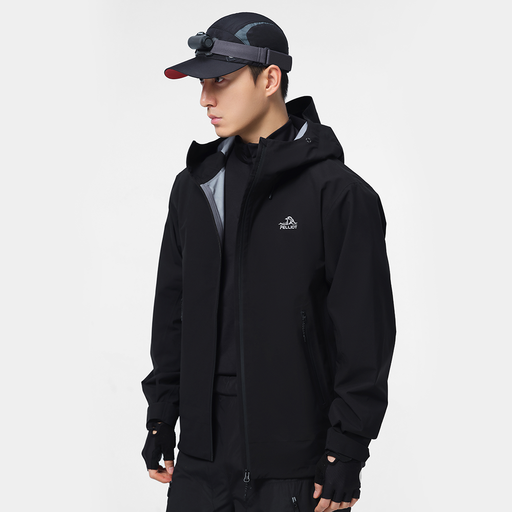
Why it suits this user: This unisex hardshell is a good option if you’re looking for a single outer layer for commuting, walks and recreational outdoor activities.
The product description mentions a waterproof laminate, wind resistance and a lining that helps wick away moisture. Check the exact sizing and seam construction before buying.
Unisex design, sizes XS to XXL, and a nylon or polyester blend with a waterproof laminate, according to the product information.
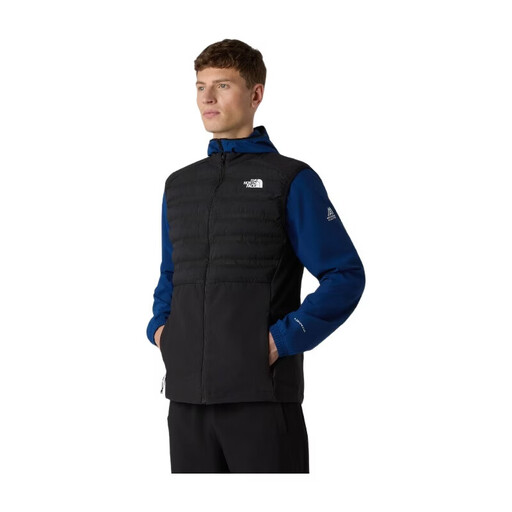
Why it suits this user: This model is a good choice if warmth, freedom of movement and a layer that fits under a rain jacket are important to you.
The product information distinguishes warmth and wind protection from full waterproofing. Use this gilet as an insulating layer, not as a standalone rain jacket.
Synthetic insulation, WINDWALL fabric according to the product description, and zipped hand pockets.
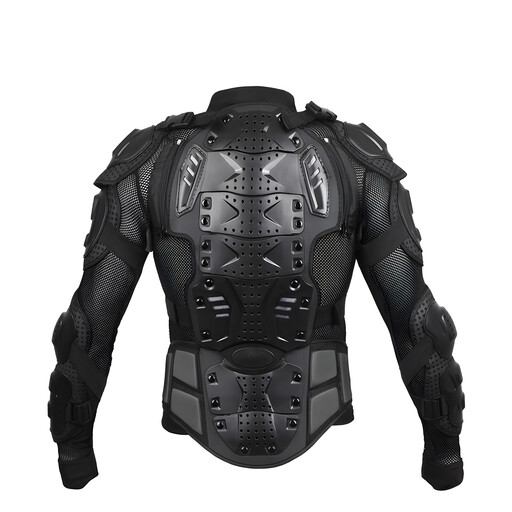
Why it suits this user: Designed for off-road riding, motocross, mountain biking and other activities where a motorcycle protective jacket or back protector may be needed.
According to the product information, the protectors are adjustable and removable. Before buying, check that the required European standards and certification for your sport or vehicle are clearly stated.
PE/TPU and EVA elements according to the product information, adjustable shoulder straps, and protection around the chest, back, shoulders and elbows.
We’ve put together a complete, up-to-date list of products that meet these strict selection criteria and current European safety requirements.
Wash your waterproof outdoor jacket according to the care label, and don’t use fabric softener if the product information advises against it. Fabric softener can affect technical fibres and water-repellent treatments. Leave the jacket to air-dry, check the zips and seams regularly, and store it only when completely dry.
Take extra care with protective motorcycle clothing: inspect hard shells and soft pads before every use. Stop using the gear or replace it if any parts are cracked, misshapen or badly damaged. A back protector or motocross protective gear should fit snugly without restricting movement.
Not necessarily. Check whether the product description mentions a membrane, mesh lining, moisture-wicking properties or ventilation options. Your activity level and the layer you wear underneath also affect comfort.
Wear several thin layers: a moisture-wicking base layer, optionally a fleece or insulated gilet, and the hardshell over the top. Choose a size that lets you move freely without the layers pulling across your shoulders.
For activities with a risk of falls or impacts, such as motocross or off-road riding, protective motorcycle clothing provides space for protectors on the chest, back, shoulders and elbows. A regular trekking jacket isn’t designed for this. Always check the fit, the protectors included and the relevant certification.
