
Vandaag of morgen in huis

Kwaliteit gegarandeerd

Welkomstaanbiedingen ontgrendelen: GRATIS bezorging | Tot 80% korting | Gratis 30 dagen JoyPlus-proefperiode
Download de app
A waterproof outdoor jacket needs to cope with more than just a brief shower in the UK. Whether you’re walking along the coast, cycling through the countryside or doing a climbing workout, you’ll encounter rain, wind, perspiration and changing temperatures. But a product title featuring words such as “waterproof” or “storm shield” doesn’t tell you everything about how it will perform day to day.
Here are three common pitfalls to look out for:
Look at the combination of fabric, construction and seams. According to the product description, a fully seam-sealed jacket has sealed seams. This reduces the chance of rain getting in through the stitching. Also check whether the hood is adjustable, the cuffs fit closely and the zips are protected.
A waterproof walking jacket isn’t automatically suitable for prolonged rain. Product pages don’t always list a hydrostatic head rating or laboratory test results. If this information isn’t available, treat “waterproof” as a product claim and compare the specific details, such as sealed seams, the hood and the fastenings.
For walking, running and training, breathability is just as important as protection from the rain. A mesh lining, lightweight shell and less bulky construction can help release excess heat. According to the product description for The North Face women’s jacket, the DryVent fabric is waterproof, windproof and breathable. This is information from the brand; how it feels in practice also depends on your pace, clothing layers and the weather.
A softshell jacket can be comfortable in windy conditions and light rain, but it won’t always replace a fully waterproof rain jacket. Think about how you plan to use it: everyday commuting calls for something different from a long walk in persistent rain.
Measure your chest or waist according to the retailer’s size guide. If you often wear a fleece jacket under your outer layer, leave enough room around your chest, shoulders and arms. Also look out for:
A windproof jacket without enough room to move is less practical for climbing. For a walking and climbing jacket, freedom of movement at the shoulders, a sturdy zip and a hood that stays in place matter more than a striking colour or marketing term.
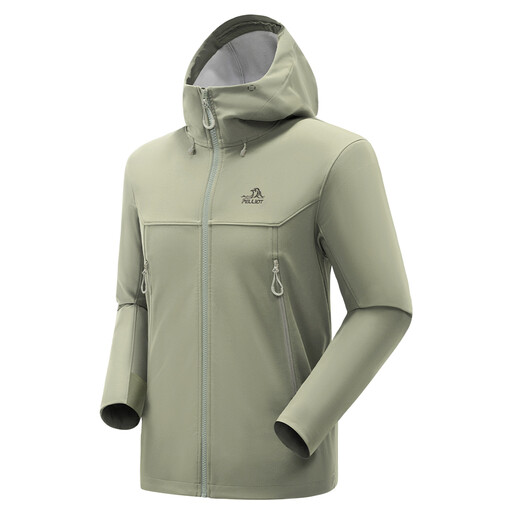
Why it suits this need: A windproof hiking jacket can be a practical first layer for walks, everyday wear and light outdoor activities. Before buying, check the product details and available size information.
It focuses on wind protection and hiking, without assuming from the title alone that it offers complete protection from the rain.
Described as windproof in the product name; green design; size XXL.

Why it suits this need: According to the product description, this women’s jacket is designed as a shell for hiking and changeable weather. Its regular fit leaves room for a lightweight mid-layer.
The description mentions sealed seams, an adjustable hood, cuffs and hem. This gives you more concrete details to compare than the word “waterproof” alone.
According to The North Face: 2L DryVent fabric with DWR finish; mesh lining; two zipped pockets; 100% polyester outer layer.

Why it suits this need: The product description focuses on running and outdoor training. This makes the men’s jacket a relevant option for active users looking for a combination of protection and pocket space.
The description mentions sealed seams and a hood with elasticated trim. According to information from The North Face, the fabric is designed as a waterproof training layer; check the latest details on the product page.
According to The North Face: DryVent fabric; recycled polyester; zipped chest and hand pockets; regular fit.
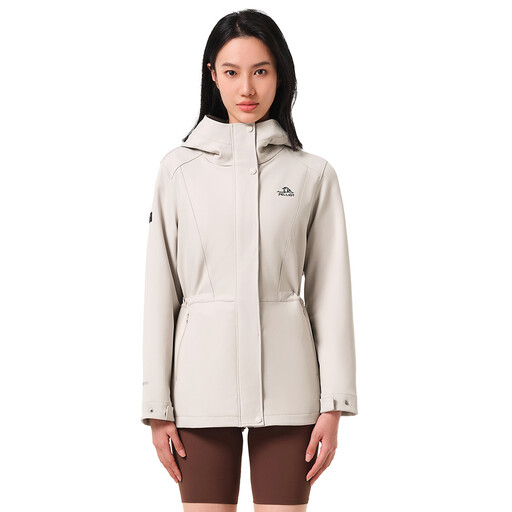
Why it suits this need: This softshell design is intended for walking, active everyday wear and activities where freedom of movement matters. Its mid-length cut may offer extra coverage.
The product name describes it as windproof, waterproof and softshell. Check the specific details, though, as a product name doesn’t provide a hydrostatic head rating or guarantee how long it will keep you dry.
Softshell design; YKK zip according to the product name; white design; size L.
We’ve put together a full, up-to-date list of products that meet these strict selection criteria and the applicable European safety requirements.
Even a good jacket can lose its performance if you wash it incorrectly. Always follow the care label. For The North Face models, the product information recommends washing at a maximum of 40 °C, using a mild detergent and not routinely tumble-drying the jacket. A DWR finish can become less effective over time. According to the brand, reproofing may be necessary.
Don’t use fabric softener on technical clothing, and fasten the zips before washing. Then let the jacket dry completely before putting it away. After intensive use, pay particular attention to the seams, cuffs and zips.
It depends on the construction and how much rain you’re likely to face. A softshell jacket often offers freedom of movement and wind protection, but check whether it has sealed seams and a waterproof membrane. For prolonged rain, a separate waterproof walking jacket is often more practical.
In cold weather, layering usually works better than wearing one very thick jacket. For example, wear a breathable top, add a fleece jacket, then put on your waterproof outer layer. Make sure your outer jacket has enough room around the shoulders and arms, while the hem and cuffs still keep the wind out.
There’s no set lifespan. Performance is affected by how you use and wash the jacket, friction from a rucksack and how well you maintain it. Look out for peeling coatings, leaking seams and water that no longer beads on the surface. Follow the care instructions and compare the latest product specifications when it’s time for a replacement.
