
Vandaag of morgen in huis

Kwaliteit gegarandeerd

Welkomstaanbiedingen ontgrendelen: GRATIS bezorging | Tot 80% korting | Gratis 30 dagen JoyPlus-proefperiode
Download de app
A waterproof outdoor jacket needs to handle more than a passing shower in the Netherlands. Whether you’re walking, camping or commuting, you’ll often face wind, changing temperatures and prolonged rain. Yet marketing claims can be difficult to assess. A high waterproof rating, for example, doesn’t automatically mean a jacket will feel comfortable when you’re active.
As a Joybuy Product Recommendation Officer, I focus on product information you can verify: materials, construction, sizing and care. That way, you can avoid buying a jacket that feels too warm, too tight or less water-repellent after just a few walks.
An outer layer with a water-repellent finish can make light rain bead off for a while. In prolonged rain or under pressure from a rucksack, however, that may not be enough. Check whether the product information mentions a waterproof membrane, welded or taped seams, and a protective hood.
Pay attention to the wording, too. A brand claim isn’t an independent guarantee. If a jacket is described as “storm-proof”, for example, treat this as a claim made by the manufacturer. According to PELLIOT’s product description, certain models have a stated hydrostatic head of 35.900 mm H₂O according to JIS. This is a technical product specification, but real-world protection also depends on the seams, zips, wear and tear, and proper care.
A thick fleece-lined jacket or winter outdoor jacket will retain heat, but can quickly feel too warm when you’re walking briskly. For trekking and hill walking, breathability is therefore just as important as insulation.
Look for a stated MVTR rating, ventilation zips and the option to wear the jacket with other layers. A 3-in-1 jacket offers more flexibility: you can wear the outer layer, the inner layer or both together. This makes it easier to adapt the jacket to the Dutch seasons and different levels of activity.
A women’s or men’s outdoor jacket should leave room for a base layer and, if needed, a fleece. But choosing a size that’s too large can let draughts in and restrict your movement. Use the size guide for the specific model rather than relying on your usual clothing size.
Measure your chest, shoulder width and sleeve length. Check the back length, too, if you’ll wear the jacket on a bike or with a rucksack. Sizing can vary between brands and models of technical jackets.
A waterproof trekking jacket is more than just a tightly woven outer fabric. Important features include:
A jacket for everyday use doesn’t need the same construction as one for demanding trekking. So, first think about where you’ll wear it most.
Breathability is often expressed as MVTR, for example in grams per square metre per 24 hours. A higher figure is generally used to indicate that more water vapour can escape. Real-world performance also depends on humidity, pace, base layers and ventilation.
For gentle walks or commuting, a basic rain jacket may be enough. For longer outings, a breathable walking jacket with ventilation options will feel more comfortable.
A windproof jacket can keep out cold air, but that doesn’t automatically mean it has warm insulation. In changeable conditions, a layering system often works better:
A 100% polyester fleece jacket, such as the women’s THE North Face jacket mentioned, is intended as a mid-layer according to the product description and can be worn with a waterproof outer jacket. When combining layers, always check that there’s enough room around the sleeves and shoulders.
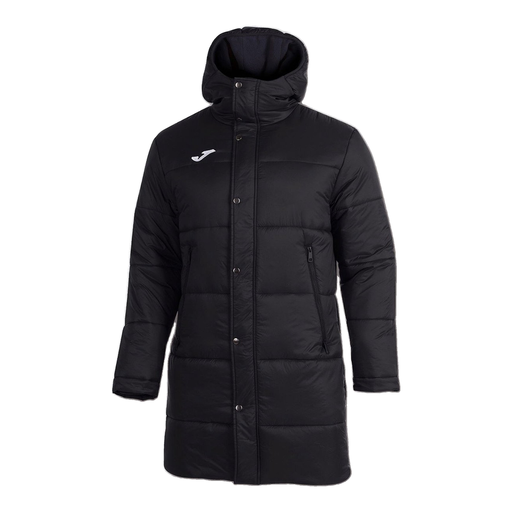
Why it suits this profile: According to the product description, this lined parka is designed for cold weather, everyday wear and outdoor activities. The hood, adjustable cuffs and multiple pockets make it practical for commuting and gentle walks.
The description mentions both a lined construction and a waterproof outer layer. Before buying, be sure to check the current size guide and care label.
Fleece lining, adjustable hood and cuffs, multiple pockets and a regular fit.

Why it suits this profile: This 3-in-1 model is designed for people who want one system for camping, trekking and everyday travel. According to the product information, the jacket has a hydrostatic head of 35.900 mm H₂O, an MVTR of 16.000 g/m²/24 hours and an abrasion resistance of more than 40.000 rub cycles.
The technical figures make the product claim easier to assess than a general term such as “storm-proof”. Bear in mind that these figures come from the manufacturer.
Can be worn as an outer layer, inner layer or combined; adjustable fit; fleece lining and stated breathable properties.
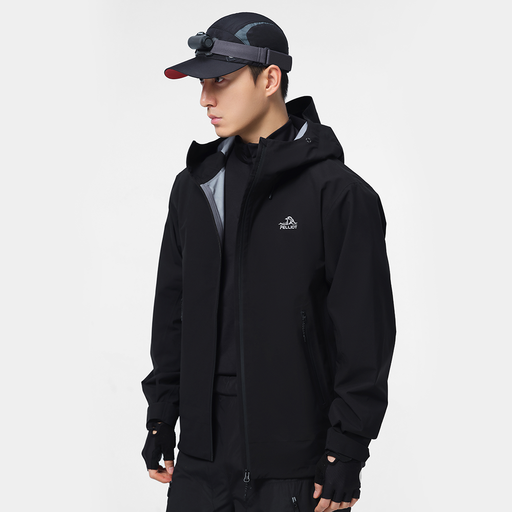
Why it suits this profile: The product description focuses on mountain biking? The jacket is designed for trekking, strong winds and demanding activities. According to the manufacturer, it has a water- and wind-resistant construction, breathable technical fabric and a hard-wearing outer material.
The description mentions breathability as well as rain protection. That’s useful for active wear, but before buying, check exactly how the seams and zips are constructed and what ventilation is provided.
Unisex model, utility fit, technical lining and an outer fabric described in the product information as suitable for rougher terrain.
We’ve put together a complete, up-to-date list of products that fully meet these strict selection criteria and the applicable European safety regulations.
A durable outdoor jacket will only stay functional if you look after its finish. Always follow the care label for the specific product. Many technical jackets should be:
Don’t use ordinary fabric softener on a jacket with a membrane. It can affect the fibres and the finish. After washing, also check that the seams, zips and cuffs still close properly.
That depends on the insulation. A hardshell or rain jacket protects you from rain and wind, but it may not have a warm lining. In cold weather, you can wear a fleece or down-style mid-layer under the outer jacket. A lined 3-in-1 jacket is a more practical choice if you want one garment for a range of temperatures.
There’s no set lifespan. Use, washing, friction from rucksack straps and exposure to dirt all affect performance. A jacket with a membrane may last longer if you follow the care label and maintain the outer finish when needed. If the jacket shows signs of wear, pay particular attention to the seams, shoulders and sleeve ends.
The price depends on the material, membrane, seams, insulation, brand and finish. Don’t compare the price alone; consider the technical specifications and intended use, too. A basic rain jacket is enough for short walks, while a 3-in-1 jacket or waterproof trekking jacket may offer more flexibility for trekking or camping.
