
Vandaag of morgen in huis

Kwaliteit gegarandeerd

Welkomstaanbiedingen ontgrendelen: GRATIS bezorging | Tot 80% korting | Gratis 30 dagen JoyPlus-proefperiode
Download de app
In the Netherlands, a waterproof outdoor jacket needs to do more than cope with a brief shower. Whether you’re walking, cycling, camping or commuting, you may face hours of rain, strong winds and big changes in temperature. But not every jacket labelled “waterproof” is automatically suitable for intensive use.
The most common buying mistakes usually come down to three pitfalls:
So it’s worth looking beyond colour and brand. Focus on measurable specifications, construction and what you need the jacket for.
Waterproofing is often measured using a hydrostatic head rating, for example 35,900 mm H₂O. This is a technical test value showing how much water pressure the fabric can withstand under the stated test method. A higher rating can be useful in prolonged rain, wet snow or when a rucksack presses against the fabric.
Also look for:
According to the product descriptions for the PELLIOT 3-in-1 models, they have a hydrostatic head rating of 35,900 mm H₂O under JIS, with taped seams on certain versions. Treat this as the manufacturer’s product specification, not a guarantee for every weather condition.
A breathable rain jacket allows moisture and heat to escape from the inside. This is particularly useful when you’re walking briskly, trekking or cycling. MVTR, measured in g/m²/24 hours, is used to indicate how much moisture can pass through the fabric.
According to the product information, the PELLIOT men’s jacket has an MVTR of 16,000 g/m²/24 hours, measured under JIS. How it feels in practice also depends on the temperature, what you’re wearing underneath, how hard you’re working and the ventilation options. Underarm zips, for example, can be useful when you want to cool down quickly.
A jacket without a clear breathability specification may still be suitable for everyday use, but its performance during intensive activities is less predictable.
A waterproof winter jacket isn’t always the best choice for walking. If you’re travelling at a leisurely pace or sitting at a campsite, insulation may matter more. For an active outing, a shell with a separate fleece or down layer may be more practical.
A 3-in-1 jacket usually consists of:
The fleece-lined inner layer can also be worn on its own. Check that the layers fasten securely together and that the jacket leaves enough room for clothes underneath.
A sturdy outer fabric is useful for a trekking jacket or camping jacket, particularly if you’ll be brushing against branches or rocks, or carrying a rucksack. According to the manufacturer, the PELLIOT models have an abrasion resistance of more than 40,000 rub cycles. This is a verifiable product specification, but in practice, wear also depends on how you use and care for the jacket.
When trying it on, check the following:
Always check the size guide for the specific model. Sizing varies between brands and styles. The PELLIOT models list separate measurements for the outer jacket and inner jacket. This is important if you want to wear them together over several layers.
Care also affects how long a jacket lasts. Follow the care label, don’t use bleach and avoid tumble-drying unless the instructions say it’s safe. Fasten the zips before washing. The water-repellent effect of a DWR finish may diminish over time, so follow the manufacturer’s care instructions.
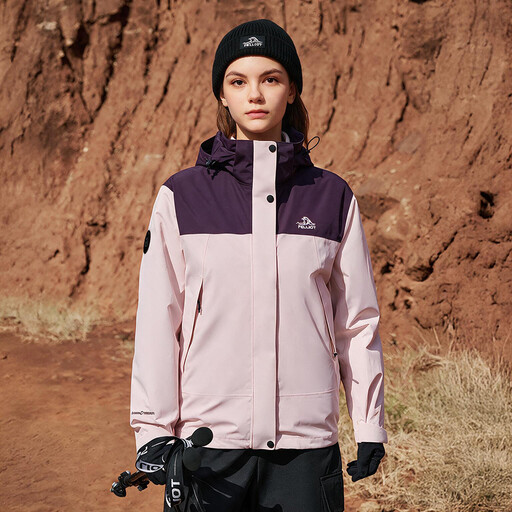
Why it suits this profile: The separate outer and inner layers make this jacket useful in changing temperatures, from everyday wear to your first camping trip.
The product description lists a microporous STORMS BREATH membrane, taped seams and three ways to wear it. Check the sizing carefully if you plan to wear it with layers.
3-in-1 design, thermal inner layer, adjustable fit and an outer fabric the manufacturer describes as scratch- and abrasion-resistant.

Why it suits this profile: This Triclimate 3-in-1 jacket is designed for people who want one system for travelling, walking and staying warm day to day.
It consists of an outer layer and a separate down inner jacket. This lets you adjust the warmth instead of always wearing one thick layer.
According to the product description: taped outer seams, underarm zips, adjustable cuffs and 550 fill power down insulation.
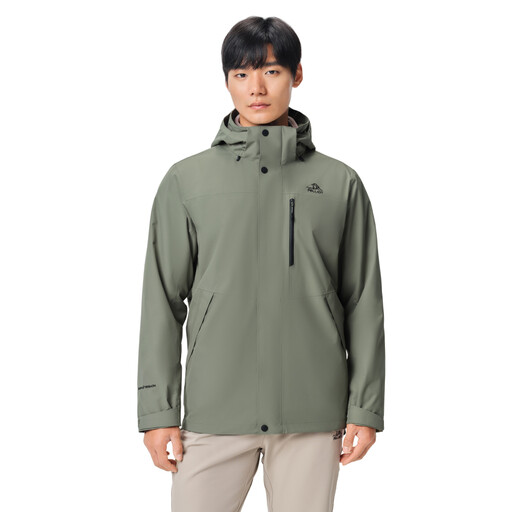
Why it suits this profile: The specifications are suited to camping, trekking and carrying a rucksack, where abrasion resistance and wind protection matter.
The product information lists a hydrostatic head rating of 35,900 mm H₂O, an MVTR of 16,000 g/m²/24 hours and more than 40,000 abrasion cycles. When buying, check that these specifications apply to the version you’ve chosen.
3-in-1 versatility, an adjustable hood, hem and cuffs, plus a thermal inner layer according to the manufacturer.
We’ve put together a complete, up-to-date list of products that meet these strict selection criteria and the applicable European safety regulations.
That depends on the insulation. A thin shell mainly protects you from rain and wind, but retains little warmth. For cold weather, choose a style with fleece, down or synthetic insulation. A 3-in-1 jacket offers greater flexibility, as you can add or remove the inner layer.
Its lifespan depends on how you use, wash and store it, and how much rubbing it’s exposed to. A jacket worn regularly with a heavy rucksack will wear faster around the shoulders and hips. Wash it according to the care label, use a mild detergent and store it dry. Check the zips, seams and water-repellent outer layer regularly.
A windproof jacket limits airflow, but may not be able to withstand prolonged rain. A waterproof outdoor jacket is designed with a water-resistant or waterproof outer layer and often has additional seam sealing. Always check the product specifications: “windproof” alone tells you nothing about the hydrostatic head rating or taped seams.
