
Vandaag of morgen in huis

Kwaliteit gegarandeerd

Welkomstaanbiedingen ontgrendelen: GRATIS bezorging | Tot 80% korting | Gratis 30 dagen JoyPlus-proefperiode
Download de app
A waterproof outdoor jacket needs to handle more than just a light shower here in the UK. Whether you're cycling, walking or camping, you'll often face prolonged rain, strong winds and big temperature swings. Yet a flashy marketing term doesn't always tell you what it's really like to wear day in, day out.
Many buyers fall into three common traps:
First, check whether the product information says waterproof, water-repellent or just protection against light rain. These terms are not interchangeable. Also look for:
A high water column rating can be useful if it's stated. For the PELLIOT fleece-lined women's jacket, the product information mentions a water column of 35,900 mm H₂O according to JIS. That's a technical specification from the product description, not a guarantee that the jacket will stay completely dry in every situation. How you care for the jacket and the condition of the seams and coating also play a part.
If you only focus on waterproofing, you can still end up feeling clammy when walking or cycling. A breathable rain jacket helps to move moisture and heat away from your body, but no jacket can prevent sweating entirely.
For technical jackets, an MVTR rating is sometimes given. According to the product information for the PELLIOT 3-in-1 jacket mentioned, this is 16,000 g/m²/24 hours. Always check which test method was used, and only compare values when the test method is the same.
For intensive use, ventilation zips, a mesh lining and a fit with room to move are also important. The North Face Quest models are described in the product information as having DryVent, a mesh lining and a DWR finish. These are features from the brand and product information; they shouldn't be read as an independent performance guarantee.
A windproof jacket isn't automatically warm. A shell or hardshell jacket works best as an outer layer. In cold weather, combine it with a fleece or insulating mid-layer.
A 3-in-1 outdoor jacket offers more flexibility: you can wear the outer shell, the inner layer or both together. That suits the changeable British weather, commuting and travel. With a lined jacket, check the filling material, how adjustable the hood and cuffs are, and whether there's room for an extra layer.
A parka jacket, like the Joma Iceland III, is more focused on warmth and everyday use. The product information mentions an insulated construction, synthetic insulation and a water-repellent outer shell. In the details, the jacket is listed as waterproof. Because these descriptions aren't exactly the same, it's wise to check the current product page and the care label before you order.
Don't just compare S, M or L – also look at the actual measurements in centimetres. Pay attention to chest size, sleeve length, shoulder width and jacket length.
The PELLIOT hardshell, for example, has a chest measurement of 116 cm in size M and a jacket length of 74 cm, according to the size chart provided. The North Face women's models use chest, waist and hip measurements. So always use the size chart for the specific model, not just a general brand guideline.
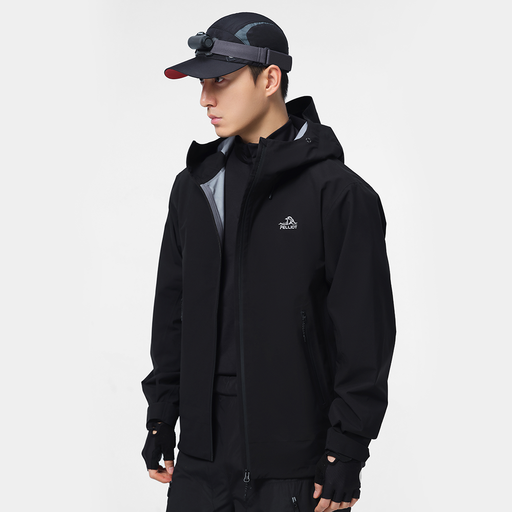
Why it fits the profile: A simple unisex hardshell for commuting, walks and the odd rain shower.
The product information mentions waterproof and wind-resistant features and provides a concrete size chart. Do check the current details and care instructions.
According to the product description: hardshell construction, mesh-like lining and durable fabric; suitable for layering if you go up a size.

Why it fits the profile: For walkers who want a technical outer layer for changeable weather and regular use.
According to the product description, the model has sealed seams, an adjustable hood and elasticated cuffs. These are verifiable design details, not a vague promise.
According to the brand and product information: 2-layer DryVent, mesh lining, DWR finish and an adjustable hem.
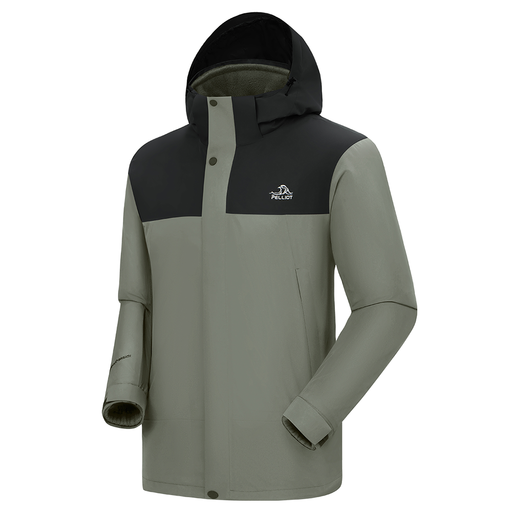
Why it fits the profile: Aimed at camping, trekking and commuting where one jacket needs to work across multiple seasons.
The 3-in-1 design stops you from using a thin rain jacket in cold conditions. According to the product information, the outer shell and lining can be worn separately or together.
According to the product information: STORMS BREATH membrane, taped seams, durable outer fabric and a thermal inner layer.
We've put together a full, up-to-date list of products that fully meet these strict selection criteria and current European safety regulations.
The waterproof performance often decreases due to dirt, skin oils and incorrect washing. So always follow the care label. Don't use fabric softener on technical jackets, and close zips and Velcro before washing. Air-dry the jacket if the product information recommends it.
For some The North Face models, the product information advises reactivating the DWR finish or having it professionally re-impregnated. Never iron directly over seams, logos or a coating if the label doesn't allow it.
Not always. A hardshell jacket mainly protects against rain and wind. For low temperatures, you'll need a fleece, down jacket or other insulating layer. A 3-in-1 outdoor jacket combines these functions in one system.
A windproof jacket limits the passage of air, but doesn't have to withstand prolonged rain. A waterproof jacket needs a suitable membrane or coating construction for that, plus protection at the seams and zips.
Measure your chest, waist and hips if needed, and compare them with the size chart for the specific model. Allow room for a fleece or jumper underneath. With unisex jackets, shoulder width and sleeve length are especially important.
