
Vandaag of morgen in huis

Kwaliteit gegarandeerd

Welkomstaanbiedingen ontgrendelen: GRATIS bezorging | Tot 80% korting | Gratis 30 dagen JoyPlus-proefperiode
Download de app
A waterproof outdoor jacket might seem straightforward to choose at first glance. Yet attractive product photos and broad marketing claims often lead to a bad buy. For example, a jacket can be water-repellent without holding up well to prolonged rain. Equally, a warm winter jacket can lack sufficient ventilation during a brisk walk.
For walking, trekking, camping, sports and commuting, three things matter most: genuine protection against rain, breathability, and a fit with enough room for layers.
A water-repellent outer layer initially makes raindrops roll off the fabric. That does not automatically mean the seams, zips and cuffs will keep water out for long. So check whether the product information mentions a membrane, taped seams or a hydrostatic head test.
For everyday use, a water-repellent layer can be enough for a short shower. For trekking or long cycling trips in the UK, a waterproof jacket with a clearly described construction makes more sense.
A thick winter jacket or parka traps heat, but can quickly become too warm when walking or exercising. For high-intensity activity, look for ventilation zips, a breathable lining and a design suited to layering.
A hardshell jacket is usually intended as a protective outer layer. This type of jacket typically offers little insulation and is worn with a fleece or down layer underneath. A fleece-lined jacket or 3-in-1 jacket combines protection and warmth, but is often heavier.
A jacket that is too tight will pull at the shoulders and can restrict your freedom of movement. A jacket that is too loose can lose heat in the wind. Measure your chest, waist, shoulders and sleeve length against the product's size guide. Allow room for a fleece, jumper or thermal layer underneath.
With unisex models, the proportions between length, chest and shoulders can differ from a specific men's jacket or women's jacket. So don't just look at S, M or L – check the centimetres.
A hydrostatic head value in millimetres indicates how much water pressure the fabric can withstand in a test. A higher value can suggest more protection, but it doesn't tell you everything about zips, seams, the hood and wear over time. So also check:
With the PELLIOT 3-in-1 models, according to PELLIOT's own product description, a hydrostatic head of 35,900 mm H₂O, breathability of 16,000 g/m²/24h and abrasion resistance of over 40,000 rub cycles are stated. Treat these values as manufacturer specifications and only compare them with other products tested using a similar method.
A breathable outdoor jacket helps to move moist air from the inside to the outside. The MVTR value, expressed in grams per square metre per 24 hours, is often used for this. Here too, the fit, ventilation zips, temperature and your level of exertion all affect the experience.
For commuting, a simple windproof jacket can sometimes be more practical than a technical one. For trekking, uphill walking or cycling, ventilation is more important. A jacket with underarm zips or a roomy chest construction can then be more comfortable.
First, decide what you need the jacket for:
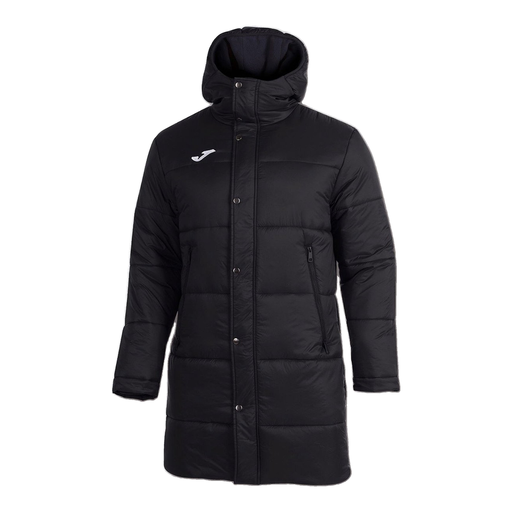
Why this fits the profile: This parka is aimed at cold city days and outdoor use. The padded construction, adjustable hood and multiple pockets are practical for everyday wear.
The product information explicitly mentions an insulating construction and a water-repellent outer layer. This makes it clearer what the jacket is intended for than a general claim without material or usage details.
According to the product description: synthetic insulation, adjustable hood and cuffs, multiple pockets and a water-repellent outer layer.

Why this fits the profile: The Triclimate system is designed for changing conditions. The outer shell and down inner jacket can be worn separately or together.
You don't have to automatically wear one thick layer. By using the layers separately, you can better adjust warmth and ventilation to the weather.
According to the product description: an outer shell with GORE-TEX, taped seams, underarm zips and an inner layer with 550 fill power down.
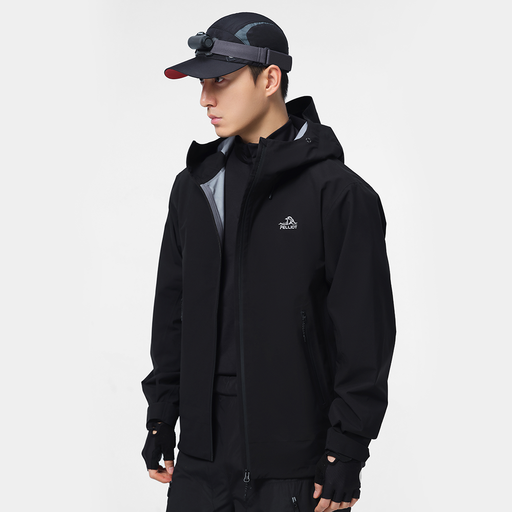
Why this fits the profile: According to the product description, the hardshell is designed for trekking, rough terrain and use in rain and wind. The unisex fit suits users who work with layers.
The description mentions both water and wind protection as well as breathability and abrasion-resistant material. This makes the distinction between a rain layer and a warm winter jacket clearer.
According to the product description: a hardshell construction, breathable technical lining, wind protection and abrasion-resistant material. The jacket is not insulated and requires an extra layer in cold weather.
Always follow the care label. Close zips before washing, use a mild detergent and avoid fabric softener on technical fabrics. Do not wash a rain jacket unnecessarily often. Hang the jacket to dry away from direct heat and check over time whether the outer layer still beads water.
Some jackets may need a new waterproofing treatment. Only use a product suitable for the material and follow the manufacturer's instructions. Store the jacket dry and avoid compressing it for long periods.
We have compiled a full, up-to-date list of products that fully meet these strict selection criteria and current European safety regulations.
Not always. A hardshell jacket mainly protects against rain and wind, but usually has little insulation. In cold weather, wear a fleece, down jacket or other mid-layer underneath. A parka or 3-in-1 jacket typically contains more warmth, but check the construction of each product.
Look at the product information for a hydrostatic head value, membrane, taped seams and details about zips. A claim like "water-repellent" indicates a different level of protection than "waterproof". Also check what the manufacturer positions the jacket for: everyday use, walking or intensive trekking.
You need to be able to move your arms freely and there should be room for at least one mid-layer. Measure your chest circumference and compare it with the size guide. If a jacket already fits loosely, going up a size is not automatically necessary. Also pay attention to sleeve length, shoulder width and the adjustability of the hem and cuffs.
