
Vandaag of morgen in huis

Kwaliteit gegarandeerd

Welkomstaanbiedingen ontgrendelen: GRATIS bezorging | Tot 80% korting | Gratis 30 dagen JoyPlus-proefperiode
Download de app
A waterproof outdoor jacket needs to do more in the Netherlands than simply withstand a brief shower. During a walk on the Veluwe, a cycle ride to work or a camping weekend, you may encounter rain, wind, changing temperatures and sometimes intense exertion. Even so, comparing product claims accurately can be difficult.
Three common pitfalls come up time and again:
Start by looking at the construction. Ideally, a waterproof jacket should have a waterproof membrane or laminated fabric, a close-fitting hood, and sealed or taped seams. Zips, cuffs and the hem are also important points: rain can get in through these areas even when the main fabric keeps water out.
For PELLIOT 3-in-1 jackets, the product information states a hydrostatic head of 35,900 mm H₂O according to JIS and taped seams. This is a technical value from the product description; practical protection also depends on wear, maintenance and how the jacket is used. For The North Face NF0A8DY2, the product information states DryVent fabric with sealed seams and a PFC-free DWR finish.
Pay attention to the difference between:
For walking, running and hiking, a breathable jacket is important. Waterproofing alone does not stop you becoming damp inside from perspiration. So look for ventilation zips, lightweight fabric and a design suitable for layering.
The PELLIOT product description states an MVTR rating of 16,000 g/m²/24 hours according to JIS. A figure like this can only be compared reliably when the same testing method has been used. According to the product description, the PELLIOT is intended for activities including camping, mountain trekking and commuting. This makes it an interesting option for users looking for protection and versatility, but always check that the fit and warmth suit your activity.
A waterproof jacket, windproof jacket and winter coat do not serve the same purpose. A shell mainly protects against rain and wind. A fleece-lined jacket or insulated mid-layer adds warmth. A 3-in-1 jacket generally combines an outer layer with an inner jacket, allowing you to wear both pieces separately or together.
According to the product information, The North Face Triclimate models are designed as a 3-in-1 system. The NF0A84FC combines a protective outer layer with a down inner jacket featuring 550 fill power. The layers can be worn separately or together. When buying, however, check the composition: the product information states that one variant contains down of animal origin.
For a long walk in changeable weather, a system with multiple layers is often more practical than one very thick jacket. For everyday use in the city, a fleece-lined jacket or parka may be sufficient.
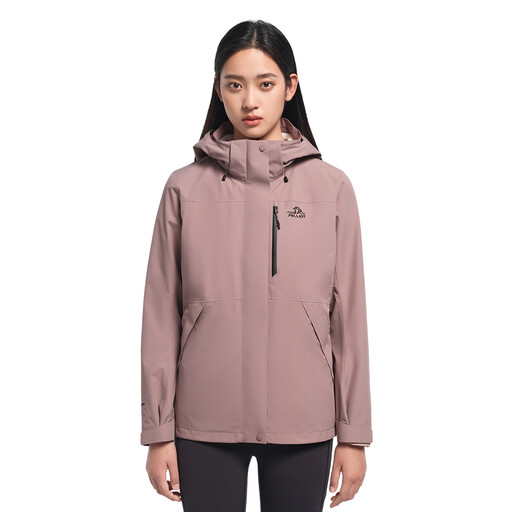
Why it suits this profile: The jacket combines an outer layer with a warm inner layer. This makes it suitable for walking, camping and everyday commuting, without having to choose several separate jackets straight away.
The product information states that the shell and liner can be worn separately. It also lists a hydrostatic head of 35,900 mm H₂O and taped seams, rather than using only a general term such as “rain-resistant”.
3-in-1 construction, fleece-like warmth and a size chart with chest, shoulder and sleeve measurements.

Why it suits this profile: If you are looking for one system for changing conditions, you can wear the outer layer and insulating inner jacket separately or together.
The layers are not merely decorative: the product information mentions a separate outer layer, a 550-fill-power down layer, taped seams and underarm ventilation zips.
Versatile 3-in-1 construction, adjustable hood and cuffs, hand-warmer pockets and ventilation openings.
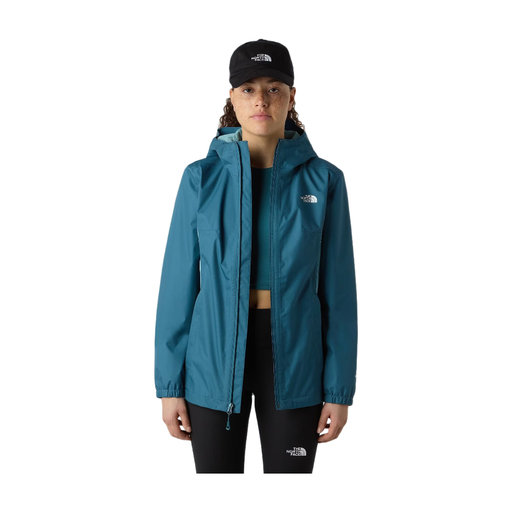
Why it suits this profile: According to the product information, this technical women's jacket is designed for hiking and wet, windy conditions. It can be worn as a standalone outer layer or as part of a compatible Triclimate system.
The product description identifies DryVent as a waterproof, windproof and breathable material, and also mentions an adjustable hood, elasticated cuffs and zipped pockets.
DryVent technology according to the manufacturer, zip-in compatibility and a size chart for chest, waist, hip and sleeve measurements.
We have put together a complete, up-to-date list of products that fully meet these strict selection criteria and the applicable European safety regulations.
Always use the size chart for the specific model. A men's outdoor jacket and a women's outdoor jacket may fit differently depending on the brand and model. Measure a jacket or jumper that fits comfortably and compare the chest and sleeve measurements in particular. A 3-in-1 jacket needs extra room for layers.
Care affects performance. Fasten zips before washing, use a mild detergent and follow the care label. The DryVent product information recommends, among other things, reactivating the DWR finish only when the care label permits it. A jacket that is not washed or dried according to the instructions may lose its water-repellent properties more quickly.
Not always. A shell or waterproof jacket mainly protects against rain and wind, but may offer little insulation. Choose a down jacket, fleece-lined jacket or 3-in-1 jacket when warmth is important. Also check that there is still enough room for a mid-layer.
Its lifespan depends on use, friction, washing and maintenance. Frequent contact with rucksack straps can put strain on the fabric. Check the seams and outer finish regularly, and follow the manufacturer's care instructions.
The price varies according to the material, brand, insulation and construction. So do not compare prices alone; also consider taped seams, breathability, adjustability, warranty and whether the jacket can be used for several seasons or as part of a layering system.
