
Vandaag of morgen in huis

Kwaliteit gegarandeerd

Welkomstaanbiedingen ontgrendelen: GRATIS bezorging | Tot 80% korting | Gratis 30 dagen JoyPlus-proefperiode
Download de app
In the Netherlands, a waterproof outdoor jacket needs to do more than keep out a passing shower. Whether you’re cycling, walking through the dunes or commuting, you’ll encounter rain, wind and changing temperatures. Yet product claims can be hard to compare. Terms such as “stormproof”, “breathable” and “all-weather” don’t mean much on their own without technical details.
The most common buying mistakes come down to three pitfalls:
Check whether the product information mentions a waterproof construction, laminated fabric or fully taped seams. A waterproof hard-shell jacket is generally designed to be worn as an outer protective layer. Also look for an adjustable hood, secure cuffs and a hem that helps keep out wind and rain.
A stated hydrostatic head rating, measured in millimetres, makes products easier to compare. If no rating is provided, look at the overall construction and intended use rather than relying on words such as “waterproof” alone. Performance claims should come from the manufacturer or retailer; don’t treat them as a universal guarantee for every type of weather.
A breathable rain jacket is designed to let moisture-laden air and perspiration escape, depending on how the product is constructed. This matters when walking, cycling and trekking, but breathability has its limits. Condensation can still build up during strenuous activity, or when you’re wearing a rucksack with a hip belt or a warm mid-layer.
So look for:
According to the PELLIOT jacket’s product description, it has a moisture-managing lining designed to wick away moisture. This is a claim from the brand’s product information, not an independent test result.
A unisex outdoor jacket often has a straight, practical cut. This can be handy for layering, but the fit will vary depending on your body shape. Use the size guide to measure your chest, shoulder width and sleeve length. Also check that the jacket is long enough when you’re cycling or wearing a rucksack.
For a trekking jacket, freedom of movement and hard-wearing fabric are important. For everyday use, weight, packability and a neutral colour may matter more. A jacket for water sports should also be easy to fasten and allow you to move freely on a boat, paddleboard or kayak.
The recommendations below are based on published product specifications, size information and descriptions of intended use. Brand claims about waterproofing, wind resistance or breathability are presented as information from the product description.
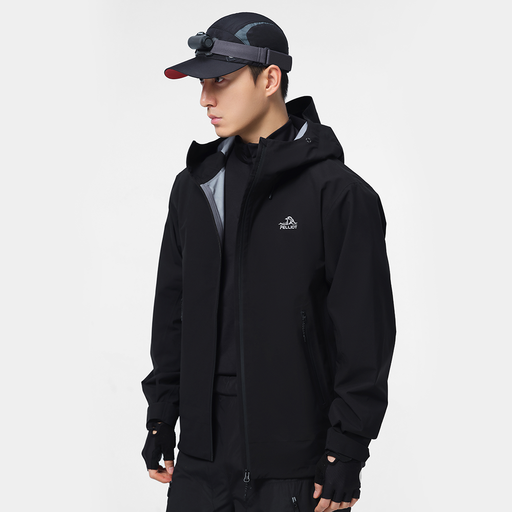
Why it suits this profile: This black unisex jacket in size S is designed for everyday use, walking and light trekking. The product information lists a utility fit and a chest measurement of 112 cm for size S, which may leave room for a thin mid-layer.
The product description mentions a laminated waterproof outer layer, wind resistance and hard-wearing fabric. Before buying, check the latest details about the seams and zips.
Unisex fit, nylon or polyester blend with waterproof lamination, and a mesh or technical lining according to the product specifications.

Why it suits this profile: According to the product description, this women’s jacket is designed for walking and changeable conditions. The size guide lists a chest measurement of 90–96 cm for size M, with a standard, comfortable fit.
The product information mentions fully taped seams, an adjustable hood, elasticated cuffs and an adjustable hem. This gives you more detail than a general claim about rain protection alone.
2-layer DryVent fabric with a mesh lining, waterproof and windproof properties according to the manufacturer, plus two zipped pockets.
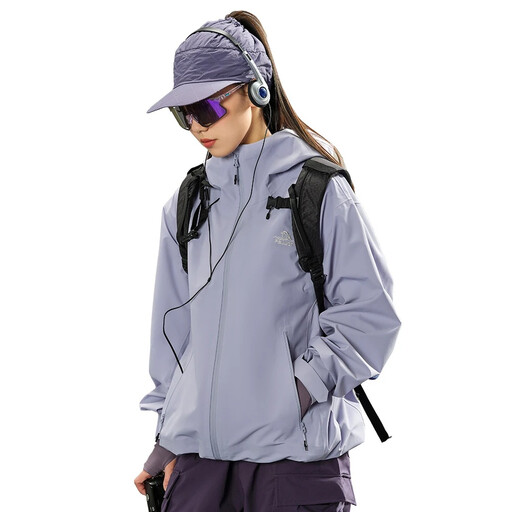
Why it suits this profile: The purple version in size L is suitable for anyone looking for a standout technical jacket for trekking, outdoor work or water sports. According to the size guide, size L is 76 cm long and has a chest measurement of 120 cm.
The product description mentions a hard-wearing outer fabric and a moisture-managing lining. For intensive use, it’s still important to care for the jacket according to the washing instructions.
A roomy fit for layering, a wind-resistant construction according to the product information, and fabric described as abrasion-resistant.
The lifespan of a waterproof outdoor jacket depends on how often you use it, how you wash it and how you store it. Wash the jacket according to the label, and don’t use fabric softener if the product information advises against it. Fabric softener can affect technical fibres or coatings. Leave the jacket to air-dry away from direct heat, and store it somewhere dry.
After each season, check the following:
If a jacket no longer makes water bead off as effectively, that doesn’t automatically mean it’s leaking. The outer layer may feel damper, making the jacket less comfortable. Always follow the manufacturer’s instructions if you need to reproof it.
We’ve put together a full, up-to-date list of products that meet these strict selection criteria and the applicable European safety requirements.
Wear several thin layers: a moisture-wicking top, a fleece if needed, and the hard-shell jacket over the top. This gives you room to move and lets you remove a layer when the temperature changes.
It depends on how often you use it, how much friction it’s exposed to and how well you care for it. Daily use with a rucksack puts more strain on the shoulders than the occasional walk. Check the seams, coating and zips regularly, and follow the washing instructions on the label.
It can be, as long as the fit and ventilation suit the activity. For trekking or cycling, breathability, freedom of movement and ventilation options are important. Even a technical jacket can feel warm or damp during very strenuous exercise.
